Plan your trip
Best time to visit Egypt: Nile heat, Ramadan and the Red Sea by month
Egypt's weather question is mostly about heat. Rain barely falls south of Cairo, so you choose between the cool, busy months for the temples of Luxor and Aswan and the long, hot summer, when the Red Sea is at its warmest. Below, each month is rated for a first trip along the Nile, with what Ramadan and the two Eids change and the sea temperatures for a beach or diving week.
In this guide
Find the location ↗ — opens in a new tabThe short answer
For a first trip, go between October and April. Six nights cover Cairo or Giza, Luxor and Aswan, two nights each; nine nights add a Nile cruise or Abu Simbel, and Alexandria or the Red Sea. From June to August Luxor and Aswan average 41°C by afternoon, so start each day at the 06:00 opening. The Valley of the Kings costs EGP 750 for a foreign adult. Abu Simbel is EGP 750, or EGP 1,200 on the sun-festival days of 22 February and 22 October (EGP 822 and 1,272 on the official booking site). Book the sleeper train or the flight to Luxor or Aswan first, then the cruise and the rooms in Luxor and Aswan; for 22 February, also a room in Abu Simbel. Ramadan 2027 is expected to begin on or around 8 February, and Eid al-Fitr is expected on or around 9 March.
- Key point
- 7 days to 10 days on the Nile route
- Where it applies
- Cairo or Giza, Luxor and Aswan, with Alexandria or Hurghada on the ten-day route
- Timing
- October to April is the season for the Nile valley, with the coolest days from December to February. June to September is the hot season in Luxor and Aswan, the Red Sea is warmest from July to October, and Alexandria gets most of its rain from November to February.
Two seasons along the Nile
Egypt is a desert country cut by one river, and its seasons are a cool half and a hot half. The difference grows the further south you go: Cairo in January is a city of jackets and 19°C afternoons, while Luxor and Aswan reach 23°C and their nights fall to 6–9°C. In July the capital's afternoons average 35°C, and Luxor and Aswan average 41°C. Rain is almost absent along the Nile; Cairo averages under 6 mm in its wettest month.
The table gives the average daily low and high in °C for 1981–2010, from the Egyptian Meteorological Authority.
| Place | January | April | July | October |
|---|---|---|---|---|
| Cairo | 9.7–19.0 | 15.4–28.2 | 22.9–34.8 | 19.0–29.7 |
| Alexandria | 9.3–18.3 | 15.3–24.0 | 23.4–29.9 | 18.6–27.4 |
| Luxor | 5.9–23.0 | 16.9–35.3 | 24.7–41.4 | 18.4–35.3 |
| Aswan | 8.8–22.9 | 19.9–35.2 | 26.2–41.4 | 20.8–35.7 |
| Hurghada | 11.2–21.7 | 18.3–29.3 | 27.1–35.0 | 21.5–31.3 |
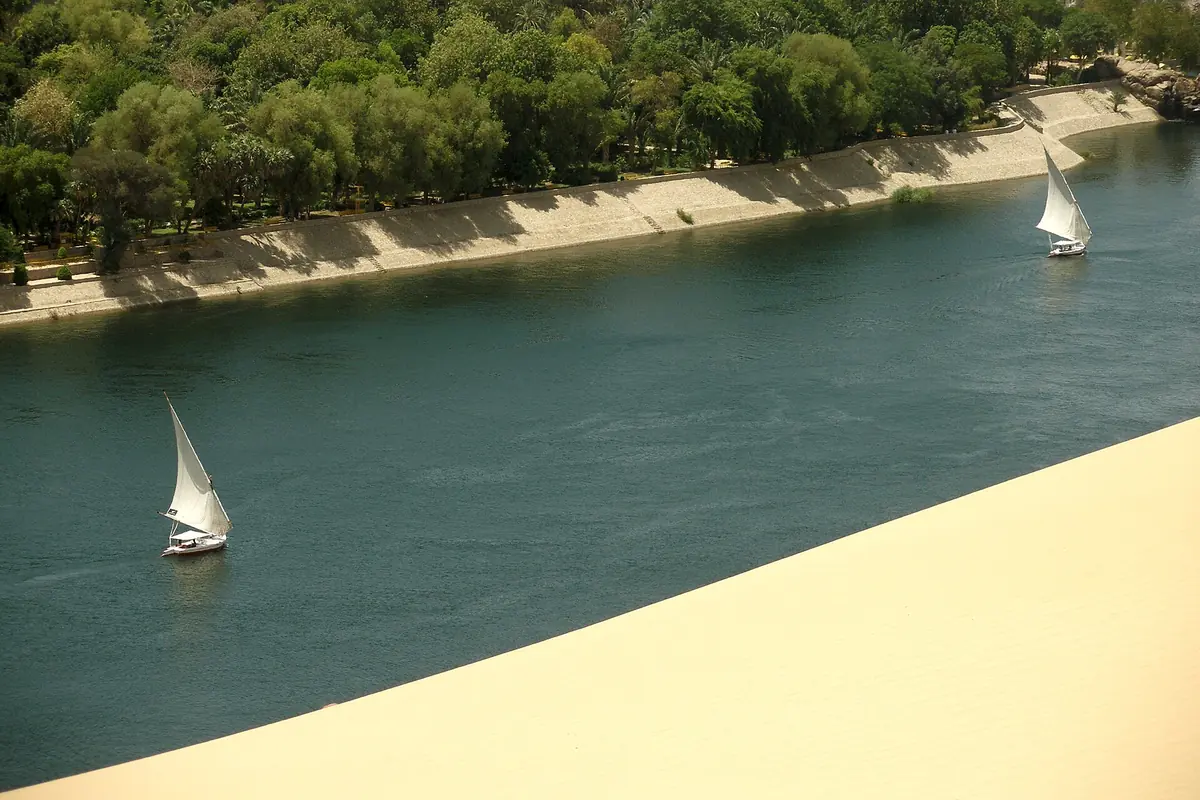
For a temple trip that means October to April, and the heart of it is November to February, when an afternoon among the columns of Karnak or a climb into the tombs of the Valley of the Kings is comfortable rather than draining. Pack a warm layer for the early starts and the evenings on the river; a felucca on the Nile at Aswan after sunset feels cold in January.
Prices and times checked 28 November 2026
Winter: the busy season in Luxor and Aswan
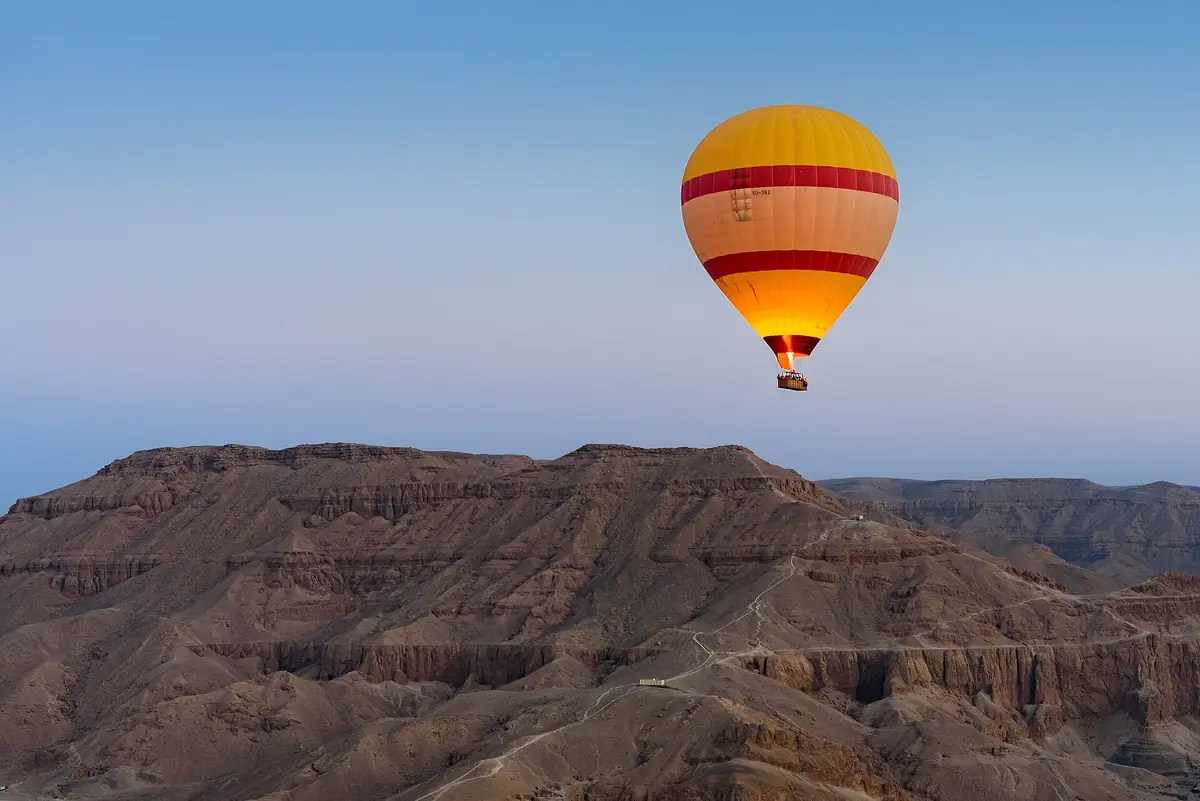
December to February is the classic time for the Nile valley. Days in Luxor run to 23–25°C, the light over the West Bank is soft in the morning, and at sunrise the balloon flights drift over the tombs and fields. Aswan is just as mild, which makes it the season for a slow day on the river and for the island temple of Philae, open 07:00–16:00.
This is also the busiest season, and the Christmas and New Year weeks are the busiest of all. Book the scarce parts of the trip first: the sleeper train or the flight to Luxor or Aswan, a three- or four-night cruise between them, and rooms in Luxor and Aswan for the exact nights. Our transport guide compares the trains and flights, and the Nile cruise guide explains the boats and the direction of travel.
Winter is the only wet season on the Mediterranean. Alexandria averages 52.9 mm of rain over about 11 rain days in January, and 46.7 mm in December, so plan the city's museums and catacombs for a grey day and keep the Corniche walk flexible. Heavy rain can occasionally flood low-lying parts of northern Egypt and close roads.
Prices and times checked 28 November 2026
Summer in Upper Egypt: early starts and short days
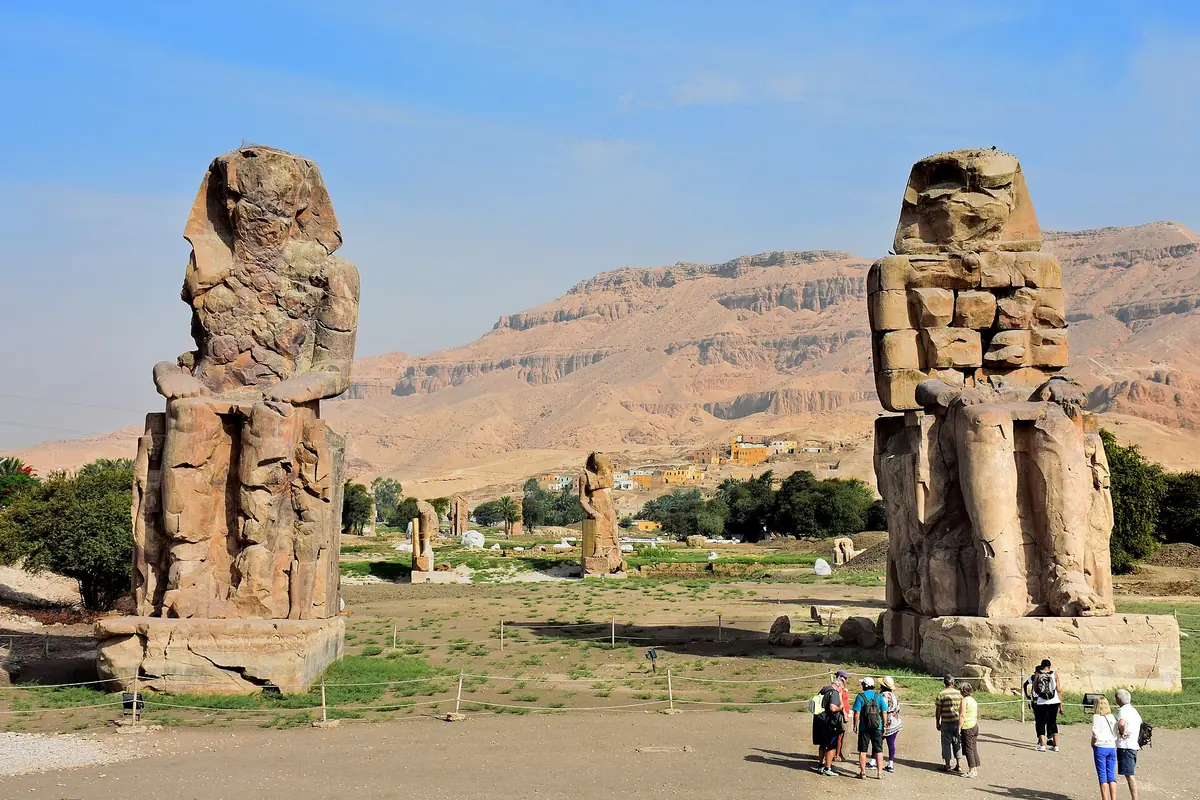
From June to August Luxor and Aswan average 41°C in the afternoon, and the nights stay at 24–26°C. September is barely kinder, at 39–40°C. The temples and tombs can still be seen, but only on a short, early day.
The sites help: the Valley of the Kings, Karnak and Abu Simbel all open at 06:00 every day and close at 17:00. Karnak and Abu Simbel let the last visitors in at 16:00, and the Valley of the Kings at 17:00 in summer. Be at the gate at opening, see the West Bank tombs before 10:00, spend the hottest hours in your room or a museum, and come back out for a sunset sail on the Nile. Foreign adults pay EGP 750 for the Valley of the Kings and EGP 600 for Karnak with its open-air museum; students pay half.
Cairo is easier in summer, at about 35°C in the afternoon. Hurghada on the Red Sea is also about 35°C, but it has a warm sea to cool off in. A summer trip works best the other way round from the winter one: more nights in Cairo and on the coast, and Luxor and Aswan as short, early-rising stops. Keep the Western Desert, Siwa and the White Desert, for the winter months from November to March: Egypt's summers are hottest in the deserts and the south.
Prices and times checked 29 November 2026
Spring and autumn: the shoulder months
March and April are warm and bright, with Cairo at 23–28°C and Luxor climbing from 30°C to 35°C. Spring also brings sand and dust storms. Their winds make driving difficult, and poor visibility can affect flights, so leave a spare half-day between the Nile valley and your flight home.
October brings the heat down again, to about 30°C in Cairo and 35°C in Luxor and Aswan. November is one of the best months of the year: 25°C in Cairo, 29°C in Luxor and Aswan, and a sea that is still warm. In November you can sightsee through the whole day, and in both months the winter crowds have not yet peaked.
Prices and times checked 28 November 2026
Ramadan, the Eids and the Abu Simbel sun festival
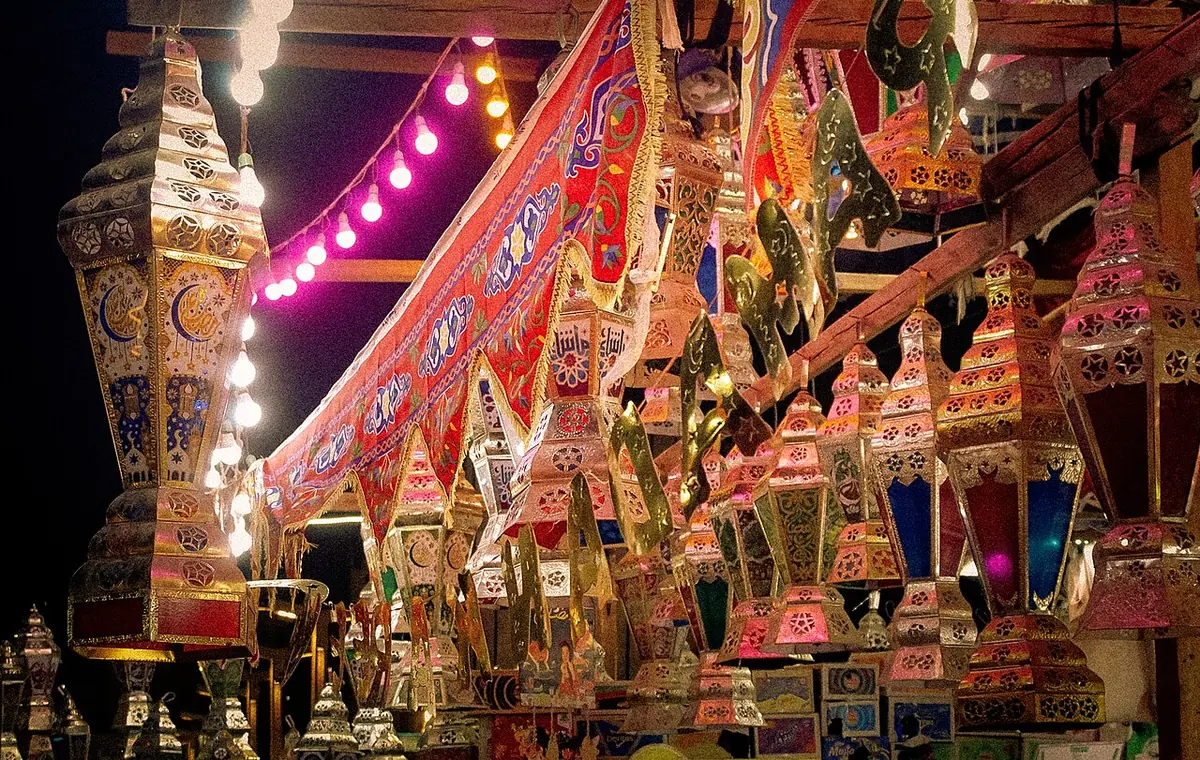
Ramadan follows the lunar calendar, so it starts earlier each year. Ramadan 2027 is expected to begin on or around 8 February. By the calculated calendar of Turkey's Diyanet, Eid al-Fitr is expected on 9 March and Eid al-Adha on 16 May; the exact days in Egypt depend on the sighting of the moon. Ramadan 2027 falls in the busy season. Museums keep shorter hours then: the Egyptian Museum in Cairo opens 09:00–16:00 and the Nubian Museum in Aswan 09:00–15:00. Shops and restaurants change their hours too, and the traffic is at its most erratic around sunset, when people hurry home to break the fast. Hotels and restaurants that serve food during the fast may seat guests who are not fasting behind screens. In public, avoid eating, drinking and smoking in daylight. At sunset the streets and restaurants fill for iftar, the meal that breaks the fast, and Cairo's lanterns make the evenings lively.
If your dates include an Eid, book trains and Red Sea rooms early, as Egyptian families travel then too. Our festivals and events guide lists the other holidays of the year.
Twice a year the sun reaches the back of the Great Temple of Abu Simbel. On 22 February and 22 October its rays cross the main hall and light the innermost statues of the temple, which was cut into the rock for Ramesses II around 1264 BC. On those two days a foreign adult ticket costs EGP 1,200 instead of EGP 750 (students EGP 600), or EGP 1,272 instead of EGP 822 on the official booking site, and the temple opens at 06:00. The light arrives at sunrise, so you need to be at the gate before dawn, which in practice means a night in Abu Simbel: book the room as soon as your date is fixed. A road tour from Aswan reaches the gate in time only by driving in the dark, and the UK Foreign Office advises against driving outside the main cities and resorts at night. The Abu Simbel guide explains the road and the flights.
Prices and times checked 29 November 2026
The Red Sea: water temperature by month
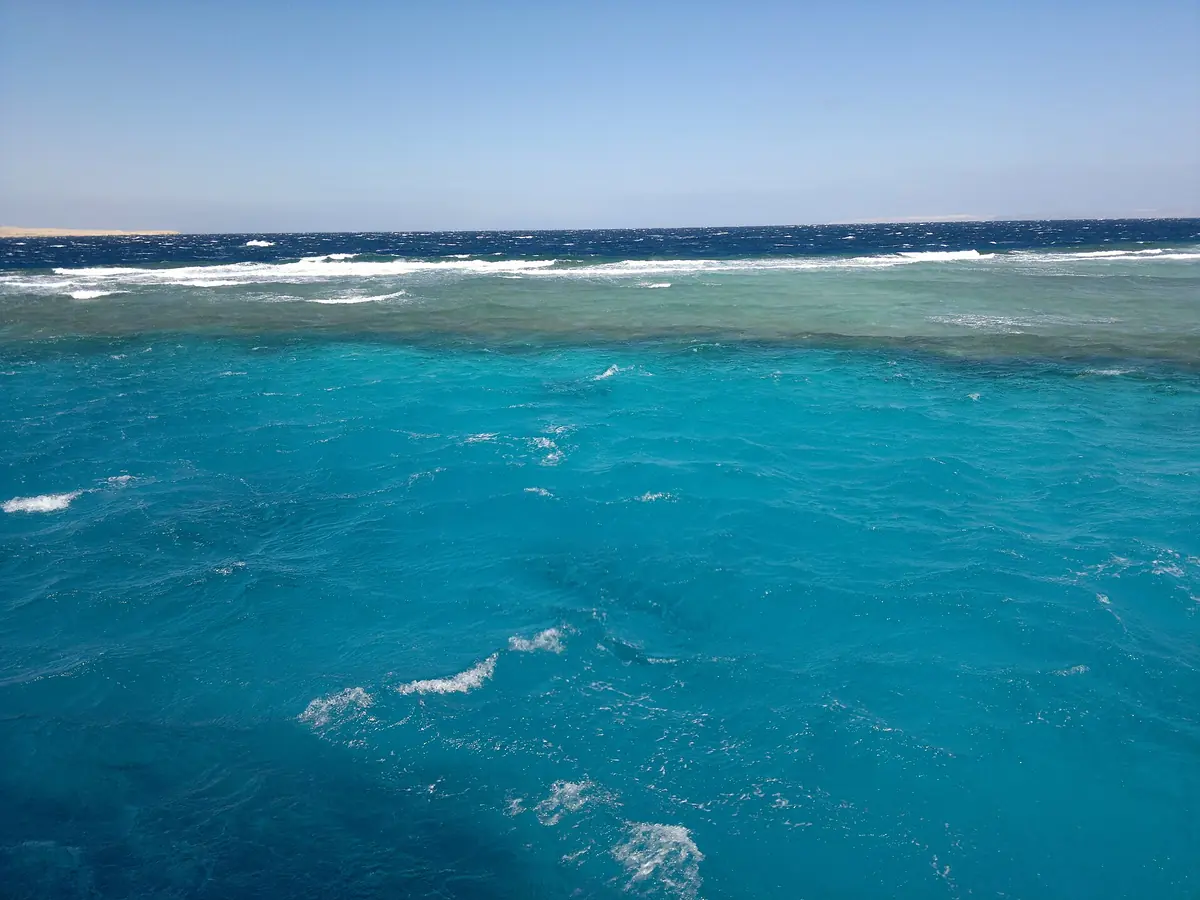
The Red Sea is a year-round coast: the water stays between about 23°C and 30°C, while the air swings far more. The averages below are the satellite sea-surface temperatures that NOAA's Coral Reef Watch gives for Egypt's Red Sea reefs as a whole, in °C.
| Month | Sea surface | Hurghada air, low–high |
|---|---|---|
| January | 23.6 | 11.2–21.7 |
| February | 22.8 | 11.7–22.7 |
| March | 23.1 | 14.4–25.4 |
| April | 24.3 | 18.3–29.3 |
| May | 26.1 | 22.4–31.8 |
| June | 27.3 | 25.5–33.9 |
| July | 28.9 | 27.1–35.0 |
| August | 29.8 | 27.1–35.1 |
| September | 29.0 | 24.9–33.3 |
| October | 28.0 | 21.5–31.3 |
| November | 26.5 | 17.0–27.0 |
| December | 25.0 | 13.0–23.2 |
From July to October the sea is at its warmest, at about 28–30°C, and a beach week pairs well with an early-rising trip to Luxor. In February the water is at its coolest, about 23°C. Hurghada's winter afternoons then reach only 22–23°C, and the evenings fall to about 11–12°C. The reef is still worth seeing, and a wetsuit makes a long snorkel more comfortable. Put the reef trip early in your stay, so that a windy day can be moved. Our Hurghada guide covers the bases and the transfer to Luxor. On the Sinai coast, Sharm el-Sheikh has milder winter nights than Hurghada, at 13.5–21.9°C in January, and hotter summers, up to 38.8°C in August. The Sinai coasts lie outside the UK's advice lines; our health and safety guide maps them.
Prices and times checked 28 November 2026
Month by month
January (best): cool and clear in Luxor and Aswan, at about 23°C by day, but the nights fall to 6–9°C, so pack a warm layer for the early starts; Alexandria is in its wettest month.
February (good): still cool along the Nile, with the Abu Simbel sun festival on 22 February; Ramadan 2027 is expected to begin on or around 8 February.
March (good): warmer, and Eid al-Fitr, which ends Ramadan, is expected on or around 9 March; sand and dust storms can blow in spring.
April (good): Luxor and Aswan reach 35°C, so the day starts early; the dust-storm season continues.
May (hard): Luxor and Aswan average 39°C, and Eid al-Adha is expected on or around 16 May.
June (hard): the hot season, at 41°C in Luxor and Aswan; Cairo and the coast are easier.
July (hard): the hottest month in the south; the sea is near 29°C.
August (hard): still 41°C in the south, and the warmest sea of the year.
September (hard): about 39–40°C in Luxor and Aswan, with a warm sea on the coast.
October (good): the heat breaks, the sea is still warm, and the sun festival at Abu Simbel falls on 22 October.
November (best): about 29°C in Luxor and Aswan, 25°C in Cairo and the sea at about 26–27°C.
December (best): mild days on the Nile and busy weeks at Christmas and New Year, so book early.
What to book first
Choose the month, then book the legs that sell out: the sleeper train or flight between Cairo and Luxor or Aswan, the cruise if you want one, and the nights in Luxor and Aswan. For the sun festival at Abu Simbel, book a room in Abu Simbel for the night before as soon as you have the date. Our first-trip guide sets out the order of the route, and the trip-cost guide prices it.
Practical questions
What is the best month to visit Egypt?
November, December and January rate best for a first trip along the Nile: Luxor and Aswan are at about 23–29°C by day. February, March, April and October are good, with Ramadan or the heat to allow for.
Is Egypt too hot in summer?
Luxor and Aswan average 41°C in the afternoon from June to August. The Valley of the Kings, Karnak and Abu Simbel open at 06:00, so a summer visit works on short, early days; Cairo and the Red Sea are easier.
When is the Red Sea warmest?
From July to October, when the sea averages about 28–30°C. February is the coolest month, at about 23°C.
When is Ramadan in 2027?
It is expected to begin on or around 8 February 2027, and Eid al-Fitr is expected on or around 9 March. The exact days depend on the sighting of the moon.
When is the Abu Simbel sun festival?
On 22 February and 22 October, when the sun lights the sanctuary of the Great Temple. Tickets cost EGP 1,200 for a foreign adult on those two days.
Keep planning your trip
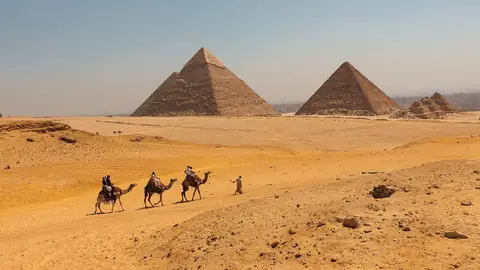
First trip to Egypt
Choose seven days or ten for Cairo, Giza, Luxor and Aswan: nights in each, the train or a Nile cruise, the season, the visa and what to book first.
Read the guide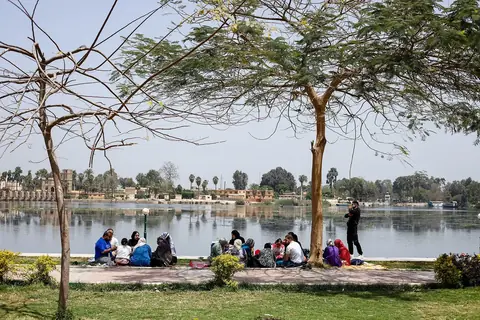
Egypt festivals and holidays 2027
Egypt's 2027 dates: Ramadan and the Eids, Coptic Christmas, Sham el-Nessim, the Abu Simbel sun festival on 22 February and 22 October, and the public holidays.
Read the guide
Transport in Egypt
How to travel Egypt: the sleeper train from Giza to Luxor and Aswan, day trains, domestic flights, buses, ride-hailing cars and the Cairo Metro, with journey times.
Read the guide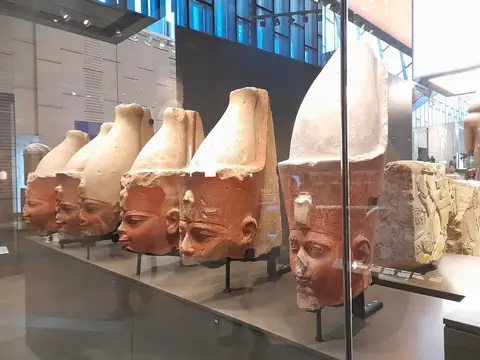
Egypt trip cost
Ten days with Cairo, a Nile cruise and the Red Sea: about EGP 90,900 per person on a budget, 99,100 mid-range or 141,800 in comfort, before meals off the ship.
Read the guide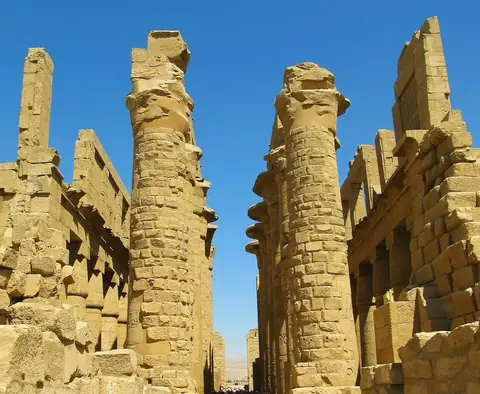
Luxor
How many nights Luxor needs: Karnak and Luxor Temple, the Valley of the Kings and its special tomb tickets, Hatshepsut, balloons at dawn and the sleeper train.
Read the guide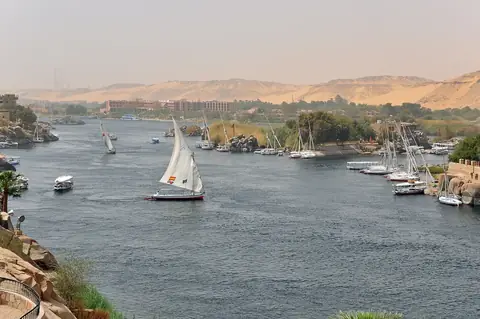
Aswan
Plan two nights in Aswan: Philae, the Nubia Museum, Elephantine, the west-bank tombs, a Nubian village and a felucca, with 2026 ticket prices and Abu Simbel.
Read the guideSources and checks before you travel
(23)
- WMO World Weather Information Service: Cairo (Egyptian Meteorological Authority) ↗ — opens in a new tab
- WMO World Weather Information Service: Alexandria (Egyptian Meteorological Authority) ↗ — opens in a new tab
- WMO World Weather Information Service: Luxor (Egyptian Meteorological Authority) ↗ — opens in a new tab
- WMO World Weather Information Service: Aswan (Egyptian Meteorological Authority) ↗ — opens in a new tab
- WMO World Weather Information Service: Hurghada (Egyptian Meteorological Authority) ↗ — opens in a new tab
- NOAA Coral Reef Watch: Egypt regional virtual station data ↗ — opens in a new tab
- Egypt Ministry of Tourism and Antiquities: Abu Simbel ↗ — opens in a new tab
- Egypt Ministry of Tourism and Antiquities: Valley of the Kings ↗ — opens in a new tab
- Egypt Ministry of Tourism and Antiquities: Karnak ↗ — opens in a new tab
- Egypt Ministry of Tourism and Antiquities: Philae ↗ — opens in a new tab
- Government of Canada: Egypt travel advice ↗ — opens in a new tab
- Diyanet (Turkey): 2027 religious days ↗ — opens in a new tab
- UK Foreign Office (FCDO): Egypt safety and security ↗ — opens in a new tab
- Experience Egypt (Ministry of Tourism and Antiquities): Luxor ↗ — opens in a new tab
- Sonesta: St. George 1 Nile cruise itineraries ↗ — opens in a new tab
- Ministry of Tourism and Antiquities: Egyptian Museum (Tahrir) ↗ — opens in a new tab
- Ministry of Tourism and Antiquities: Nubia Museum, Aswan ↗ — opens in a new tab
- WMO World Weather Information Service: Sharm El-Sheikh (Egyptian Meteorological Authority) ↗ — opens in a new tab
- Experience Egypt (Egyptian Tourism Authority): useful information ↗ — opens in a new tab
- UK Foreign Office (FCDO): Egypt warnings and insurance ↗ — opens in a new tab
- EgyMonuments (official ticket platform): Abu Simbel ↗ — opens in a new tab
- EgyMonuments (official ticket platform): Karnak Temple ↗ — opens in a new tab
- EgyMonuments (official ticket platform): Valley of the Kings ↗ — opens in a new tab
Reference sources for the version dated 29 November 2026. Confirm opening times, access, transport and conditions for your travel dates.
Photo credits
(5)
The Colossi of Memnon on Luxor's West Bank, best seen soon after the morning opening in the hot months
Photograph: MusikAnimal — opens in a new tab · CC BY-SA 4.0 — opens in a new tab
Changes: Resized and converted to WebP; displayed with responsive crops. · Original photograph and licence details ↗ — opens in a new tab
A felucca crossing the Nile at Aswan, where the river is at its calmest in the cool months
Photograph: Vyacheslav Argenberg — opens in a new tab · CC BY 4.0 — opens in a new tab
Changes: Resized and converted to WebP; displayed with responsive crops. · Original photograph and licence details ↗ — opens in a new tab
A sunrise balloon flight over the hills of the Valley of the Kings near Luxor
Photograph: Mustang Joe — opens in a new tab · CC0 — opens in a new tab
Changes: Resized and converted to WebP; displayed with responsive crops. · Original photograph and licence details ↗ — opens in a new tab
Ramadan lanterns and decorations for sale in Sayyida Zeinab, Cairo
Photograph: Alaazzpov — opens in a new tab · CC BY-SA 4.0 — opens in a new tab
Changes: Resized and converted to WebP; displayed with responsive crops. · Original photograph and licence details ↗ — opens in a new tab
Reef shallows off Hurghada on the Red Sea on a windy day
Photograph: Maris Teteris — opens in a new tab · CC BY 3.0 — opens in a new tab
Changes: Resized and converted to WebP; displayed with responsive crops. · Original photograph and licence details ↗ — opens in a new tab