Plan your trip
Solo female travel in Egypt: dress, harassment, taxis, the metro and help
Egypt works well as a solo trip: the Pyramids, the old streets of Islamic Cairo, the temples of Luxor and the river at Aswan are linked by train, plane and boat, and the main sites have a strong security presence. What women ask before going is more specific: how much harassment to expect and what to do about it, what to wear in the street and in a mosque, whether to take a taxi, an Uber or the metro, whether the night train is a good idea alone, and what to watch for in a hotel or on an excursion. This guide takes those questions in order, with what the UK, Irish and Canadian governments say, and ends with the numbers to save.
In this guide
Find the location ↗ — opens in a new tabThe short answer
The UK, Irish and Canadian governments do not advise against Cairo, Luxor, Aswan or Red Sea resorts such as Hurghada, but all three warn women about harassment: staring, remarks, catcalls and touching. The UK advises women to take care when travelling alone, particularly at night, and to avoid a taxi alone. An Uber may be safer: sit in the back behind the driver and share the trip with a friend. In Cairo, the two middle cars of each train on metro lines 1 and 2 are for women only, and one of them stays women-only from 21:00. A single metro ticket costs EGP 10 for up to 9 stations and EGP 20 for up to 39. Wear loose clothes that cover your shoulders and knees, and carry a long scarf for mosques. For the night to Luxor or Aswan, book a sleeper cabin for yourself on abelatrains.com (USD 150 one way). Save 122 (police) and 126 (tourist police).
- Key point
- Set up before you fly: Uber on your phone, a booked first night with a pickup, a long scarf and the numbers 122 and 126
- Where it applies
- No base is needed; the advice applies wherever you stay
- Timing
- The same all year; harassment increases around public holidays, and during Ramadan dress codes matter more and the Cairo Metro runs to 02:00.
What the UK, Irish and Canadian advice says about women
The three governments describe the same pattern. Women, particularly foreigners, frequently meet unwanted male attention, sexual harassment and verbal abuse: staring, remarks, catcalls and touching, on the street and in taxis, and it can escalate quickly. It increases around public holidays, when more men are in the streets. Eye contact and smiling, ordinary friendliness at home, may be read in Egypt as flirtation. Ireland advises women not to travel alone where possible, and the UK asks women travelling alone to take care, particularly at night, and to avoid a taxi alone.
Most visits are trouble-free, crime is generally low and pickpocketing is rare, the UK says. The sexual assaults reported to the British Embassy took place mostly in the Red Sea resorts, often committed by someone the victim had already met, including hotel workers and excursion staff; the section on hotels below covers what that means for your room and your excursions. Women face a serious risk of sexual assault during demonstrations, because a woman surrounded by a group can find it difficult to escape. Walk away from any crowd that is gathering.
The usual route, from Cairo and Giza to Luxor, Aswan, Abu Simbel and the Red Sea resorts, lies outside the areas the UK advises against. Our health and safety guide lists every advisory area; other governments draw the lines differently, so read your own government's advice before you book.
Prices and times checked 28 November 2026
Taxis, Uber and arriving at night
Avoid a street taxi alone; if you cannot, share the driver's details, the trip and your live location with a friend. An Uber may be safer than a street taxi, but stay alert: alone with a male driver, sit in the back seat behind the driver. Street taxis must by law have a working meter: make sure it is switched on when the ride starts, and where a taxi has no meter, agree the fare before you get in. Sit in the back, because a woman in the front seat may be misread. Avoid microbuses, which are known for hazardous driving.
Uber works in Cairo, and its app does most of what the governments ask: Share My Trip sends your route to the contacts you choose, you can see the driver's rating, trip count and time on the app before you get in, and an optional PIN makes sure you are in the right car with the right driver. Set your trusted contacts before you land.
You are most tired and least sure of your surroundings on your first evening. Book the first night before you fly and arrange a hotel pickup or transfer from the airport. Save the hotel's address on your phone in case the driver does not turn up. Where to sleep in each city is in our where-to-stay guide.
Women-only metro cars, trains and the sleeper
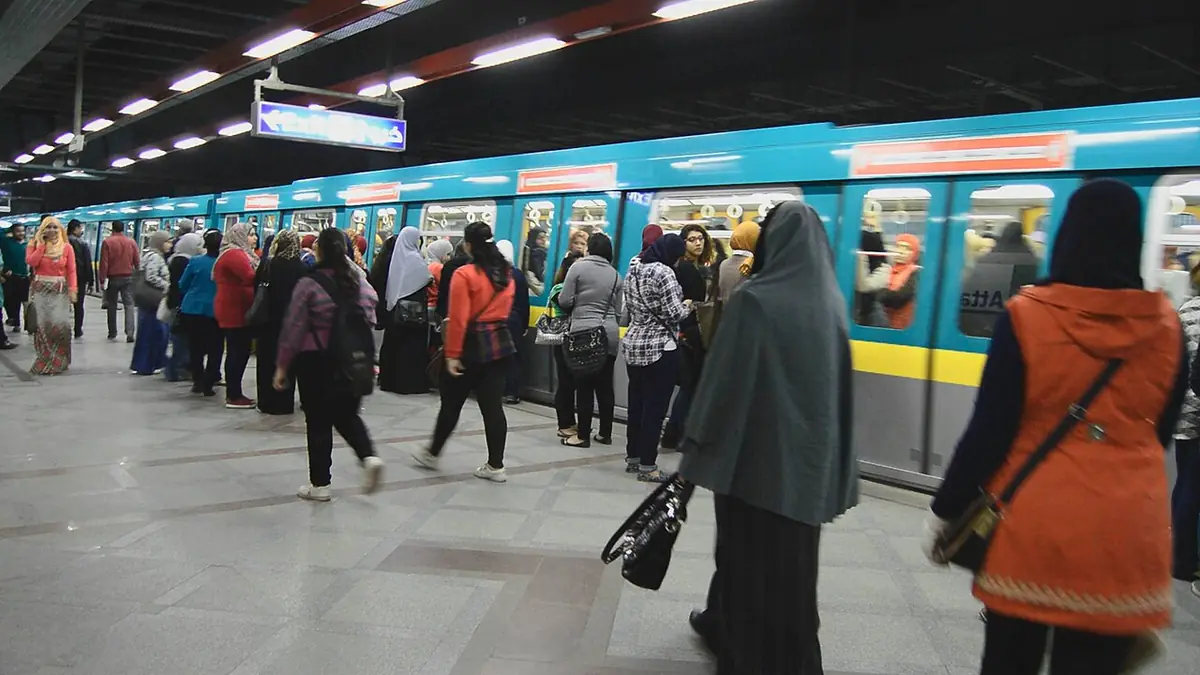
Cairo's metro is the quickest way across the city and has cars for women only. On lines 1 and 2, the two cars in the middle of each train are reserved for women; from 21:00 one of them stays women-only and men may use the other. Women may ride in any car. The metro can be overcrowded and that bag-snatching and pickpocketing happen most often at tourist sites and on the metro, so keep your bag in front of you.
A single ticket costs EGP 10 for up to 9 stations, EGP 12 for up to 16, EGP 15 for up to 23 and EGP 20 for up to 39, on all three lines. A rechargeable contactless card costs EGP 80, is sold at every station and is not in your name. The metro runs from 05:00 to midnight, and to 02:00 during Ramadan; the last trains leave the ends of lines 1 and 2 between 23:35 and 23:45, so plan your ride back after a late dinner.
Use the women-only carriages on trains too, where a train has them. For the long run to Luxor and Aswan, Abela Egypt (formerly Watania) runs the overnight sleeper and sells it on abelatrains.com; its cars have two-bed cabins with a sink, the staff bring dinner and breakfast to your cabin, and the club car serves tea, coffee and soft drinks but no alcohol. Travelling alone, you can book a cabin for yourself or one bed in a two-bed cabin shared with another woman. Seat61, an independent rail guide, lists 2026 foreigner fares of USD 150 one way for sole use of a standard cabin (USD 170 on the refurbished Elite cars), against USD 110 (USD 125) for a shared berth. Southbound trains reach Luxor between 05:15 and 09:00, so book a hotel that meets you at the station and lets you check in early. Day trains and flights are the alternatives; journey times are in our transport guide.
Prices and times checked 28 November 2026
What to wear in the street, in mosques and in churches
Away from the resort beaches, cover your shoulders and knees: knee-length or longer dresses with long sleeves, or loose cotton trousers or a long skirt with a light long-sleeved shirt, which also cope with the heat of Luxor and Aswan. Dress more modestly still in rural areas, mosques and markets, in conservative areas and during Ramadan.
In places of worship, men and women alike are expected to cover their legs to below the knee, and women are asked to cover their heads, in Christian churches as well as mosques. Places that receive many visitors lend coverings, but a wide, long, lightweight scarf of your own works everywhere. Ask before photographing anyone: Ministry of Tourism rules require an Egyptian's written permission before you take their photo, and photographing children is prohibited.
During Ramadan, clothing that does not meet local dress codes may cause more offence, and eating, drinking or smoking in public in daylight hours is culturally insensitive. Hotels and restaurants serving non-fasting guests may screen them off. The dates of Ramadan move each year; our festivals guide gives them.
Harassment in the street and how to handle it
Most of what women meet is staring, remarks and catcalls. Keep walking and keep your answers short. You do not need to smile or make eye contact; both can be read as flirtation. Do not share your phone number or social media accounts with people you have just met.
If someone touches you or follows you, shout and make a fuss: being safe matters more than being polite. Move into a shop, a hotel lobby or towards a police officer. The main sites have a strong security presence; tourist police officers usually wear an armband, and you can report to them on the spot or on 126.
Since a 2021 amendment to the Penal Code, sexual harassment is a felony in Egypt, punishable by at least two years in prison and a fine of EGP 100,000 to EGP 200,000. A crime you do not report before leaving Egypt is difficult to prosecute later.
Drinking alcohol is legal only in licensed restaurants and bars, private homes and some tourist resorts. Do not leave a drink unattended or accept one from a stranger. Rape drugs work in coffee and tea as well as alcohol and usually cannot be tasted, so get help if you feel strange, sick or drunk after very little.
Prices and times checked 28 November 2026
Hotels, Red Sea resorts, guides and excursions
In the hotel, do not let staff into your room when you are alone, and try to have a friend or relative present if someone must come in. Lock the door when you are inside, use the spy hole or chain before opening it, and consider a door wedge. Leave your itinerary with someone at home and agree how often you will be in touch.
Hotel staff have in some cases discouraged guests from reporting incidents to the police. You do not need the hotel to report: call the tourist police on 126 or the Ministry of Tourism hotline on 19654 yourself.
Book guides, drivers and day trips in advance through an established agency or your hotel, not with someone who approaches you at a site, and buy tickets only at the official ticket offices. A private guide or driver from a known agency also means no taxis on a long day at Giza, Saqqara or the West Bank of Luxor.
If something happens: the numbers to save
If you are assaulted, you can go to any police station or call the police on 122. You can ask for a female officer, but there are very few and you may have to wait. Few officers speak fluent English: the police usually find an interpreter, which takes time, or you can bring your own interpreter. Report as soon as you can so forensic evidence is not lost, keep the clothes you were wearing and take a change with you, and tell the police if you think you were drugged. Reports are written in Arabic and not usually handed to the victim. The police should give you a reference number for the case, and you do not have to surrender your passport.
A forensic examination ordered by the police is usually free and must be done in a government hospital; a private hospital cannot provide evidence for a prosecution. Emergency contraception should be taken within 72 hours to be effective; you get it through a doctor or a hospital, pay for it yourself and can claim it back on travel insurance. HIV post-exposure prophylaxis (PEP) should also be taken within 72 hours; in Egypt it means a private clinic, at your own cost. Legal aid does not exist in Egypt, so a prosecution needs a lawyer you hire. The FCDO publishes lists of English-speaking lawyers and medical facilities in Egypt.
- 122: police.
- 126: tourist police, for reporting a crime.
- 123: ambulance; 180: fire.
- 19654: the Ministry of Tourism and Antiquities hotline, for reporting an incident (also by email to tourism@mota.gov.eg).
- Your embassy: British nationals can call the British Embassy in Cairo on +20 (0)2 2791 6000; consular staff can go with you to the police station or hospital where possible, and a female officer can speak to you if you ask.
Prices and times checked 28 November 2026
Practical questions
Is Egypt safe for a woman travelling alone?
The UK, Irish and Canadian governments do not advise against Cairo, Luxor, Aswan or the Red Sea resorts, and the UK says most visits are trouble-free. All three warn that foreign women frequently meet harassment: staring, remarks, catcalls and touching. Plan your transport and your first night before you arrive, and save 122 and 126.
Does the Cairo Metro have women-only cars?
Yes. On lines 1 and 2 the two middle cars of each train are for women only, and one of them stays women-only from 21:00. Women may also ride in every other car.
Should I take an Uber or a taxi in Egypt as a woman alone?
Take an Uber and sit in the back behind the driver, with Share My Trip sending your route to a friend. Avoid a street taxi alone; if you must take one, check that the meter is switched on, or agree the fare before you get in.
What should women wear in Egypt?
Loose clothes that cover your shoulders and knees, such as long trousers or a long skirt with a light long-sleeved top, and a long scarf to cover your head in mosques and churches. Resort beaches are the exception.
Is the sleeper train a good idea for a woman alone?
Yes, if you book a cabin that suits you: a two-bed cabin for yourself costs USD 150 one way on Abela's standard cars, or you can share one with another woman for USD 110. Southbound trains reach Luxor between 05:15 and 09:00, so arrange a hotel pickup at the station. If you would rather not spend the night on a train, fly: a domestic flight of about 60 minutes reaches most places in Egypt.
Keep planning your trip
First trip to Egypt
Choose seven days or ten for Cairo, Giza, Luxor and Aswan: nights in each, the train or a Nile cruise, the season, the visa and what to book first.
Read the guide
Health and safety in Egypt
Where the advisory lines run in Sinai and the deserts, emergency numbers, insurance, vaccines and medicines, tap water, heat, night roads, balloons, touts and the laws.
Read the guide
Transport in Egypt
How to travel Egypt: the sleeper train from Giza to Luxor and Aswan, day trains, domestic flights, buses, ride-hailing cars and the Cairo Metro, with journey times.
Read the guide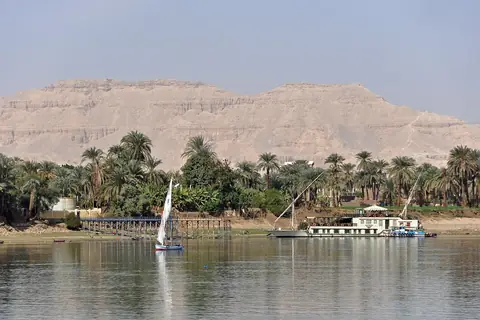
Where to stay in Egypt
Which area of Cairo, Giza, Luxor, Aswan, Hurghada and Alexandria to sleep in, how many nights each needs, and three hotels in each with their rates.
Read the guide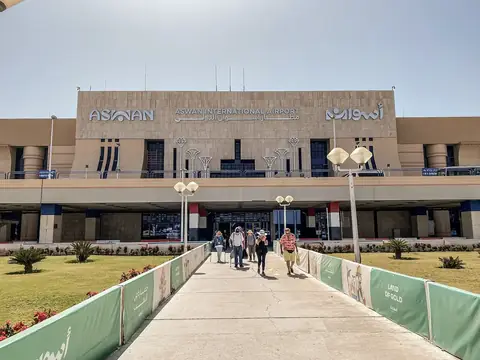
Entering Egypt
Whether to buy Egypt's e-visa before you fly or a visa on arrival, who gets the free Sinai-only stamp, passport validity, land and sea borders and customs.
Read the guide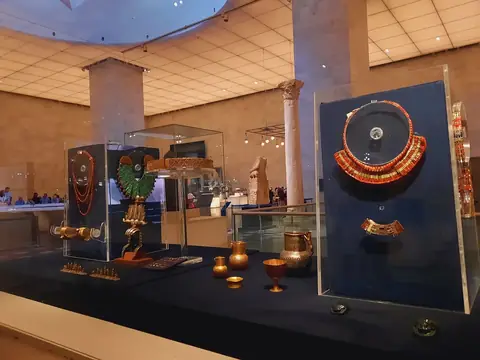
Cairo
Three nights in Cairo: Al-Muizz Street and Khan el-Khalili, the Citadel, Coptic Cairo, the Egyptian Museum and the royal mummies at NMEC, where to sleep and costs.
Read the guideSources and checks before you travel
(18)
- UK Foreign Office (FCDO): Egypt travel advice, warnings and insurance (updated 27 October 2026) ↗ — opens in a new tab
- UK Foreign Office (FCDO): Egypt safety and security ↗ — opens in a new tab
- UK Foreign Office (FCDO): Egypt, getting help ↗ — opens in a new tab
- UK Foreign Office (FCDO): Egypt, information for victims of rape and sexual assault (updated 17 March 2025) ↗ — opens in a new tab
- UK Foreign Office (FCDO): Advice for women travelling abroad ↗ — opens in a new tab
- UK Foreign Office (FCDO): Solo and independent travel ↗ — opens in a new tab
- Ireland, Department of Foreign Affairs: Egypt travel advice (updated 23 November 2026) ↗ — opens in a new tab
- Government of Canada: Egypt travel advice (last updated 26 May 2026) ↗ — opens in a new tab
- Cairo Metro (Egyptian Company for Metro Management and Operation): first line ↗ — opens in a new tab
- Cairo Metro: second line ↗ — opens in a new tab
- Cairo Metro: important information for passengers ↗ — opens in a new tab
- Cairo Metro: ticket prices ↗ — opens in a new tab
- Cairo Metro: cash wallet card ↗ — opens in a new tab
- Uber Egypt: rider safety ↗ — opens in a new tab
- Abela Egypt sleeping trains (formerly Watania): booking site ↗ — opens in a new tab
- Experience Egypt (Egyptian Tourism Authority): useful information ↗ — opens in a new tab
- Seat61 (independent rail guide): Cairo to Luxor and Aswan by sleeper train ↗ — opens in a new tab
- UN Women Egypt: Penal Code amendment on sexual harassment (14 July 2021) ↗ — opens in a new tab
Reference sources for the version dated 28 November 2026. Confirm opening times, access, transport and conditions for your travel dates.
Photo credits
(6)
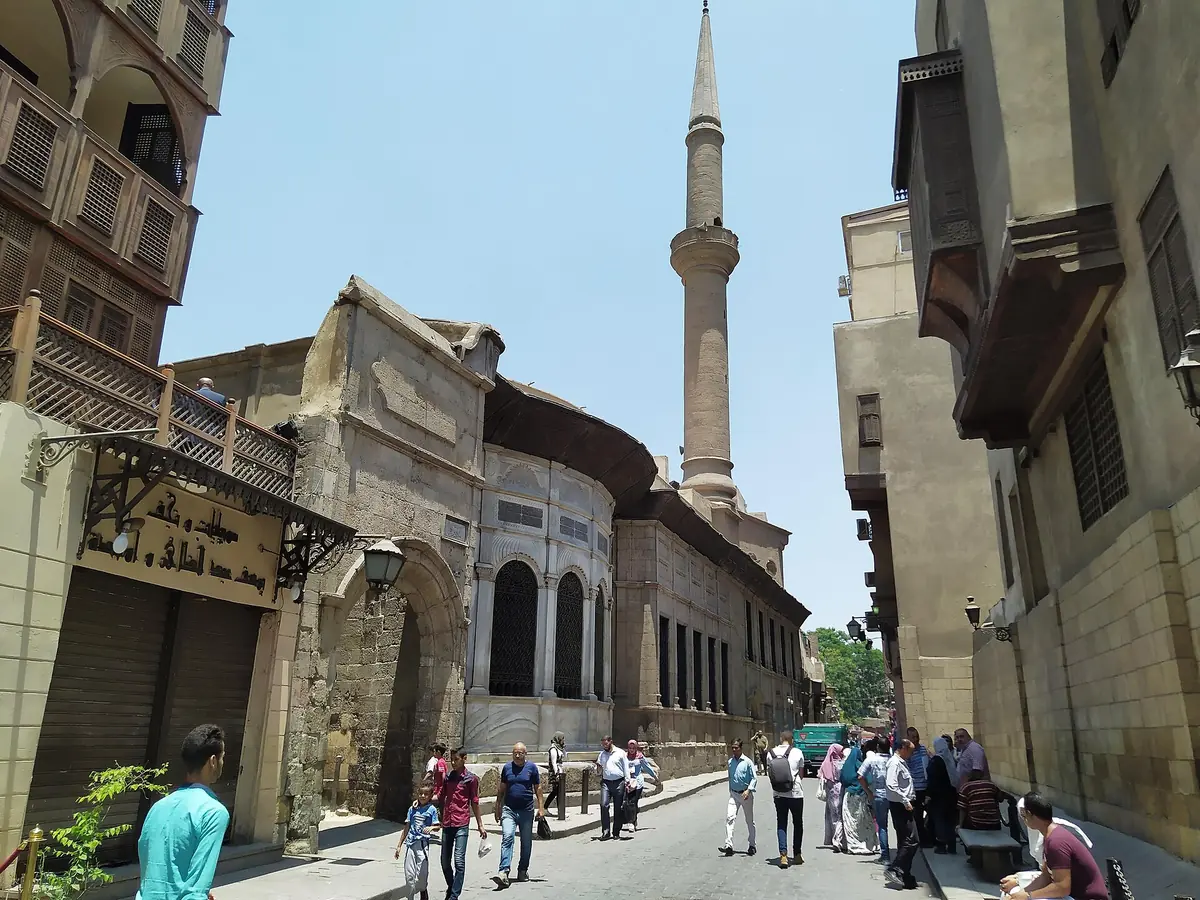
Muizz Street and the minaret of the Sulayman Agha al-Silahdar Mosque in Islamic Cairo
Photograph: Radosław Botev — opens in a new tab · CC BY 3.0 pl — opens in a new tab
Changes: Resized and converted to WebP; displayed with responsive crops. · Original photograph and licence details ↗ — opens in a new tab
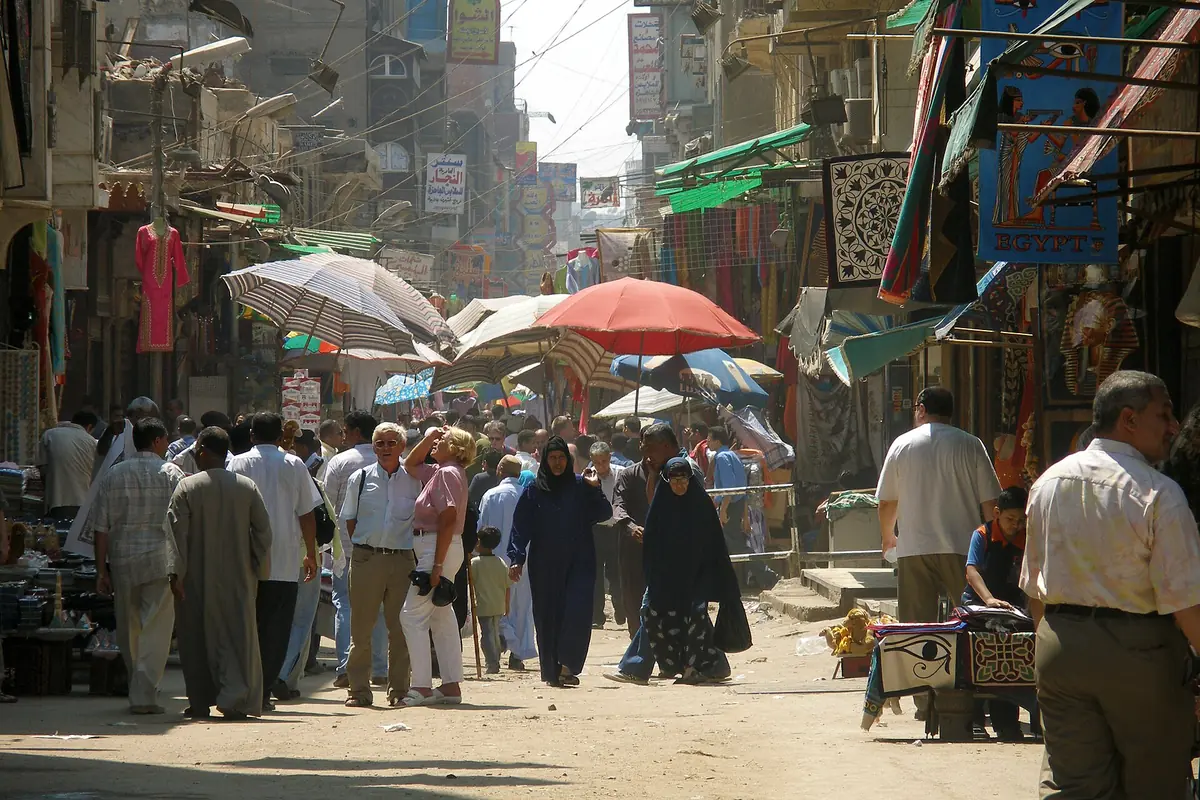
The market stretch of Muizz Street in Islamic Cairo
Photograph: Vyacheslav Argenberg — opens in a new tab · CC BY 4.0 — opens in a new tab
Changes: Resized and converted to WebP; displayed with responsive crops. · Original photograph and licence details ↗ — opens in a new tab
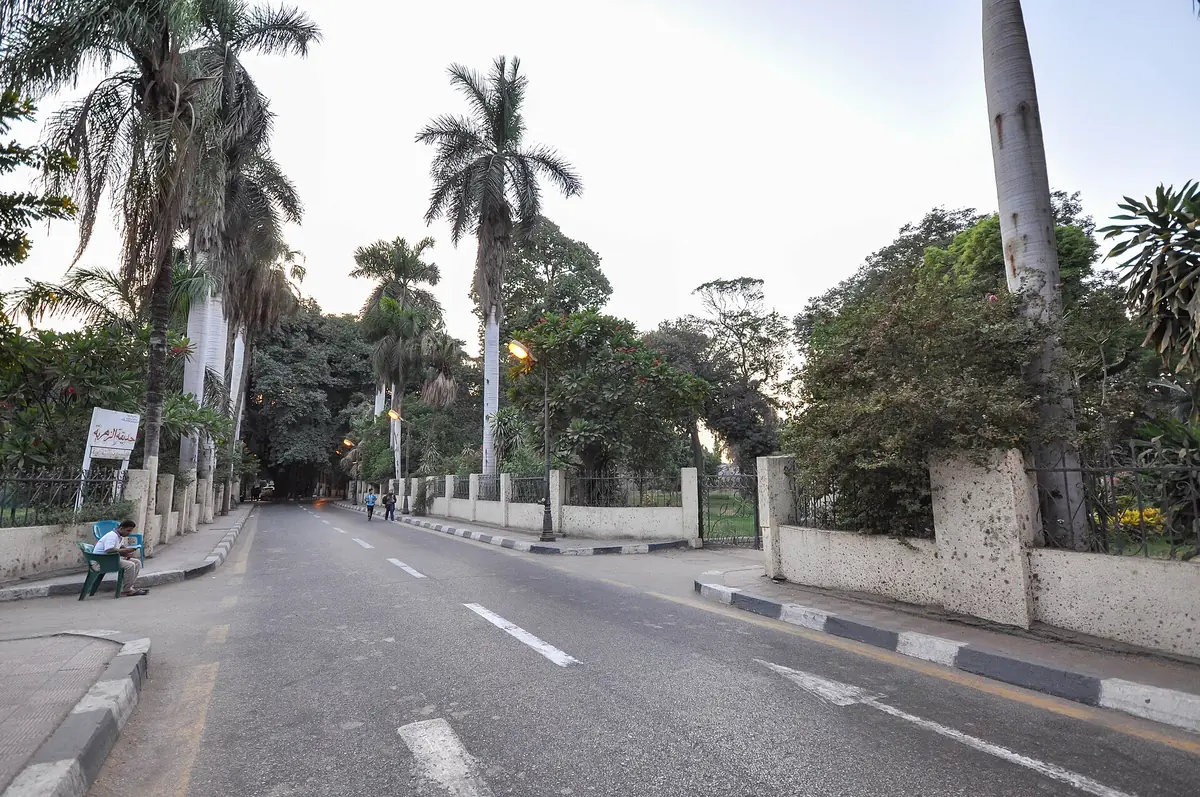
A palm-lined street on Zamalek, the island district in the Nile in central Cairo
Photograph: Jorge Láscar from Melbourne, Australia — opens in a new tab · CC BY 2.0 — opens in a new tab
Changes: Resized and converted to WebP; displayed with responsive crops. · Original photograph and licence details ↗ — opens in a new tab
Boarding a Line 3 train in the Cairo Metro
Photograph: Eurovaran — opens in a new tab · CC BY-SA 4.0 — opens in a new tab
Changes: Resized and converted to WebP; displayed with responsive crops. · Original photograph and licence details ↗ — opens in a new tab
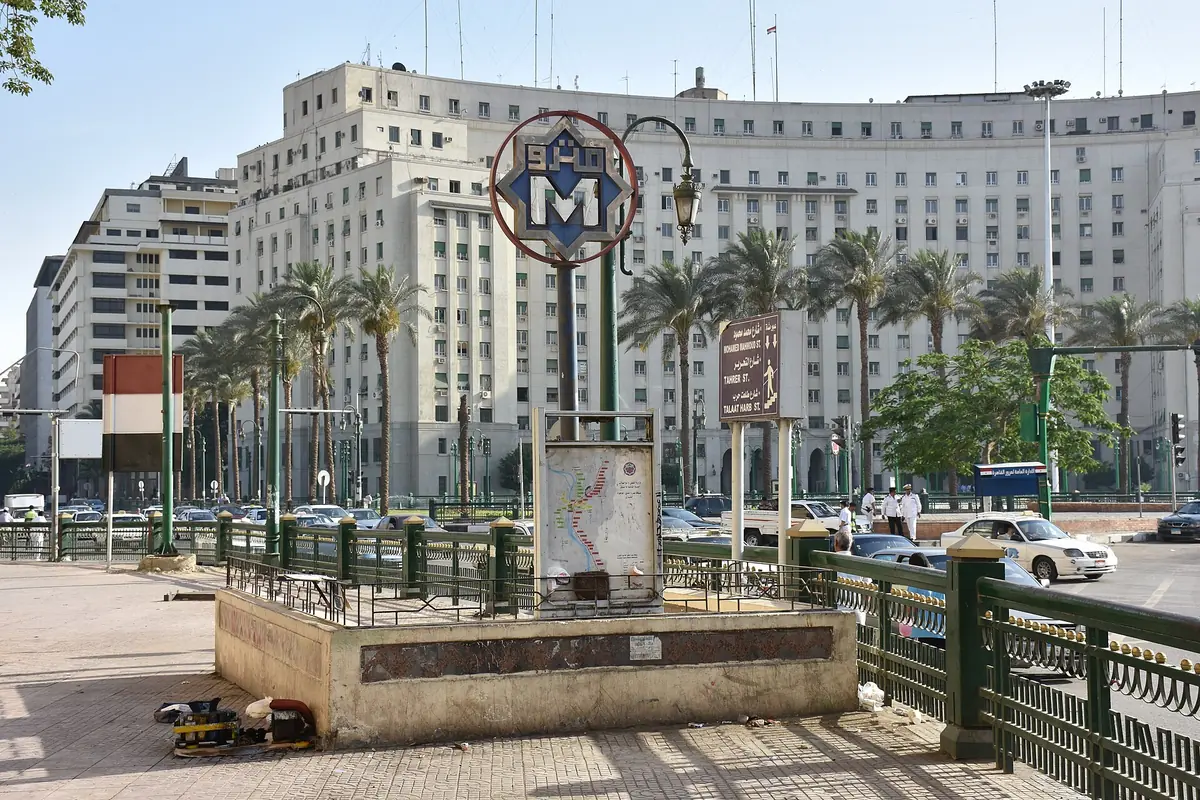
The entrance to Sadat metro station on Tahrir Square
Photograph: MusikAnimal — opens in a new tab · CC BY-SA 4.0 — opens in a new tab
Changes: Resized and converted to WebP; displayed with responsive crops. · Original photograph and licence details ↗ — opens in a new tab
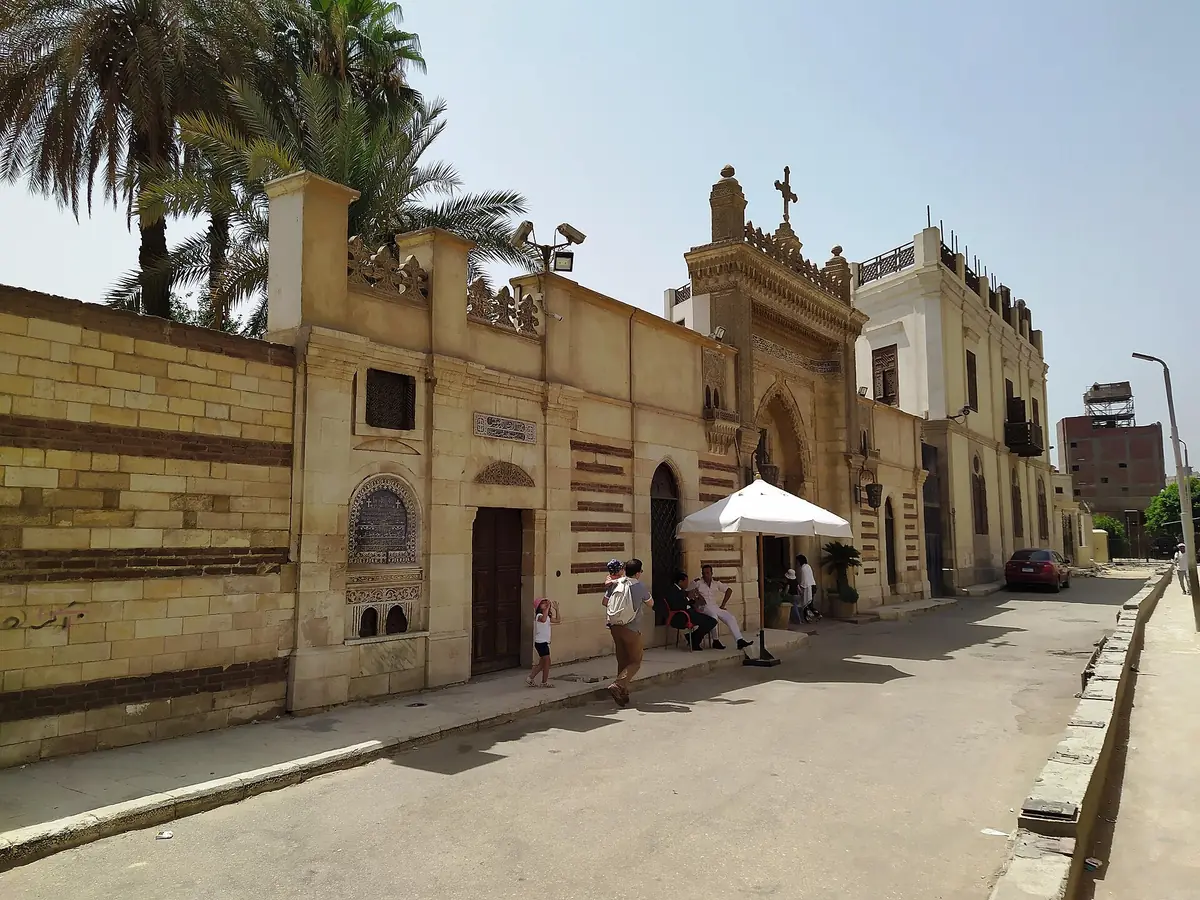
Mari Gerges Street and the entrance to the Hanging Church in Coptic Cairo
Photograph: Radosław Botev — opens in a new tab · CC BY 3.0 pl — opens in a new tab
Changes: Resized and converted to WebP; displayed with responsive crops. · Original photograph and licence details ↗ — opens in a new tab