Plan your trip
Cash or card in Egypt? Pounds, dollars, ATMs, tickets and baksheesh
Egypt pays in two ways at once. The big temples and museums sell their tickets by bank card, while taxis, cafés, market stalls and the many small tips of a day out still run on Egyptian pounds in cash, and a visa bought on arrival or a foreigner's train ticket is paid in US dollars or euros. This guide explains the pound and its rate, which cash to pack, where your card works and which sites take cards only, how to use ATMs, how trains and markets take payment, how baksheesh works, and how much cash you may carry across the border.
In this guide
Find the location ↗ — opens in a new tabThe short answer
Pay the big sights by card and everything small in cash. The antiquities ministry's ticket counters, self-service machines and official booking site take Visa and Mastercard. Withdraw Egyptian pounds (EGP) at a bank ATM with a credit card, and keep small notes for taxis, cafés, markets and baksheesh. Bring US dollars for the visa and the trains: the paper visa on arrival is USD 30 in cash at the kiosks, and at Cairo airport the digital visa is USD 36, by card at the machines. You may carry only EGP 5,000 into or out of Egypt.
- Key point
- Set up before you fly: a Visa or Mastercard credit card for ATMs and tickets, a second card as back-up, and some US dollars in cash
- Where it applies
- Applies everywhere in Egypt
- Timing
- All year
The Egyptian pound: notes and the rate
Egypt's currency is the Egyptian pound (EGP, also written E£ or LE), and you pay in it for almost everything on the ground. The Central Bank of Egypt issues notes from 25 and 50 piastres up to EGP 1, 5, 10, 20, 50, 100 and 200, so even the largest note is a modest sum by European standards.
For a sense of scale, the central bank's selling rates of 26 November 2026 were EGP 54.91 to the US dollar, EGP 60.25 to the euro and EGP 71.97 to the pound sterling. An EGP 200 note was therefore worth a little under USD 4, and the EGP 5,000 you may carry across the border about USD 90. Everyday prices are small: a Cairo metro ride costs EGP 10 for up to nine stations, an order of ful wi ta'ameya EGP 10 at a downtown Cairo cart and a box of koshari EGP 20 to 40. Our Egypt trip-cost guide turns the rooms, the cruise, the tickets and the transport into a full budget.
Worn notes are still money. The central bank treats torn, taped, stained or written-on notes as currency with their full face value: banks take them in exchange for clean ones. Writing on banknotes is against the law, so do not mark the notes you hand over.
Prices and times checked 28 November 2026
Which cash to bring
Bring US dollars as your foreign cash. Foreign currency is easily exchanged in hotels and banks, and dollars are the preferred currency, particularly around the tourist sites. Euros work for the visa on arrival and for train tickets too, but dollars are the safer single choice.
Keep the dollars for the payments that ask for them: the paper visa on arrival is USD 30 in cash at the kiosks, and at Cairo airport the digital visa is USD 36, by card at the machines, a price that includes a USD 6 service fee. Press reports describe a change to Egypt's visa fees from January 2027 that no official Egyptian page has confirmed, so check the fee on visa2egypt.gov.eg before you pay. Some travel agents and tour operators ask to be paid in US dollars cash, and foreigners' train tickets are priced in dollars or euros. Our Egypt entry guide explains which visa to choose.
Bring some smaller dollar notes. If you pay for a train ticket in cash, you get your change in Egyptian pounds, and small notes keep those leftover pounds to a minimum. Travellers' cheques are still exchanged in hotels and banks, but a card and a reserve of dollars are simpler.
Prices and times checked 29 November 2026
Cards at the sites, hotels and shops
The ministry of tourism and antiquities sells monument tickets through its official booking site egymonuments.com, the Experience Egypt app, the ticket counters at the sites and self-service machines. All of these channels accept Visa and Mastercard, and ticket prices are listed in Egyptian pounds. Tickets cannot be refunded, cancelled or replaced if they are lost or stolen, so choose the date with care.
Expect to pay by card at the most visited sites. The Giza Pyramids, the Egyptian Museum in Tahrir, the Citadel of Salah al-Din in Cairo, the Nubia Museum, the Unfinished Obelisk, Philae, Kom Ombo, Edfu and Abu Simbel take no cash, and foreign visitors pay with their own card at the site. The Giza plateau also has self-service machines that sell tickets for bank cards. Put every temple and museum ticket on your card, and keep its limit high enough for days with several sites.
Away from the sites, hotels and restaurants used by tourists usually take cards, and so do larger shops for larger purchases. Many merchants take only cash or add a fee for a card. Card fraud is reported especially at small merchants, so pay cash there.
Prices and times checked 28 November 2026
ATMs and changing money
Withdraw pounds with a credit card. Cash machines in Egypt mostly accept credit cards, while a debit card (such as a Girocard with Maestro) usually works only at the ATMs of banks. Cash withdrawals have a daily maximum, so take out what you need for the next few days rather than waiting until you run low. Check your own bank's daily limit and its fee for foreign withdrawals before you travel, and carry a second card from another bank in case the first is blocked.
If an ATM or a card terminal offers to charge you in your home currency, decline and choose Egyptian pounds. That conversion includes an exchange rate and additional fees, and Visa says the choice is yours: the merchant or ATM must not choose for you. Card slips in Egyptian shops often show both an EGP and a euro amount, so check the figure beside each currency before you sign. Keep your copy of the slip and the shop's receipt.
Banks and hotels change foreign cash easily. Money-transfer companies often ask for your passport when they pay out cash. Carry only the cash you need for the day, leave the rest and your documents somewhere secure, and pay by card where you can.
Prices and times checked 28 November 2026
Trains, taxis and markets
Trains have their own rule: foreigners pay special fares for Egyptian National Railways tickets, in US dollars or euros. The ticket does not always show the amount you paid, so an invoice comes with it. Keep the two together and show both if a conductor checks your ticket. Foreigners cannot book every train; our Egypt transport guide covers which trains to take.
On board, some people pose as railway staff and demand a "fine" for a ticket they say is not valid. Do not pay, and report a serious incident to the police.
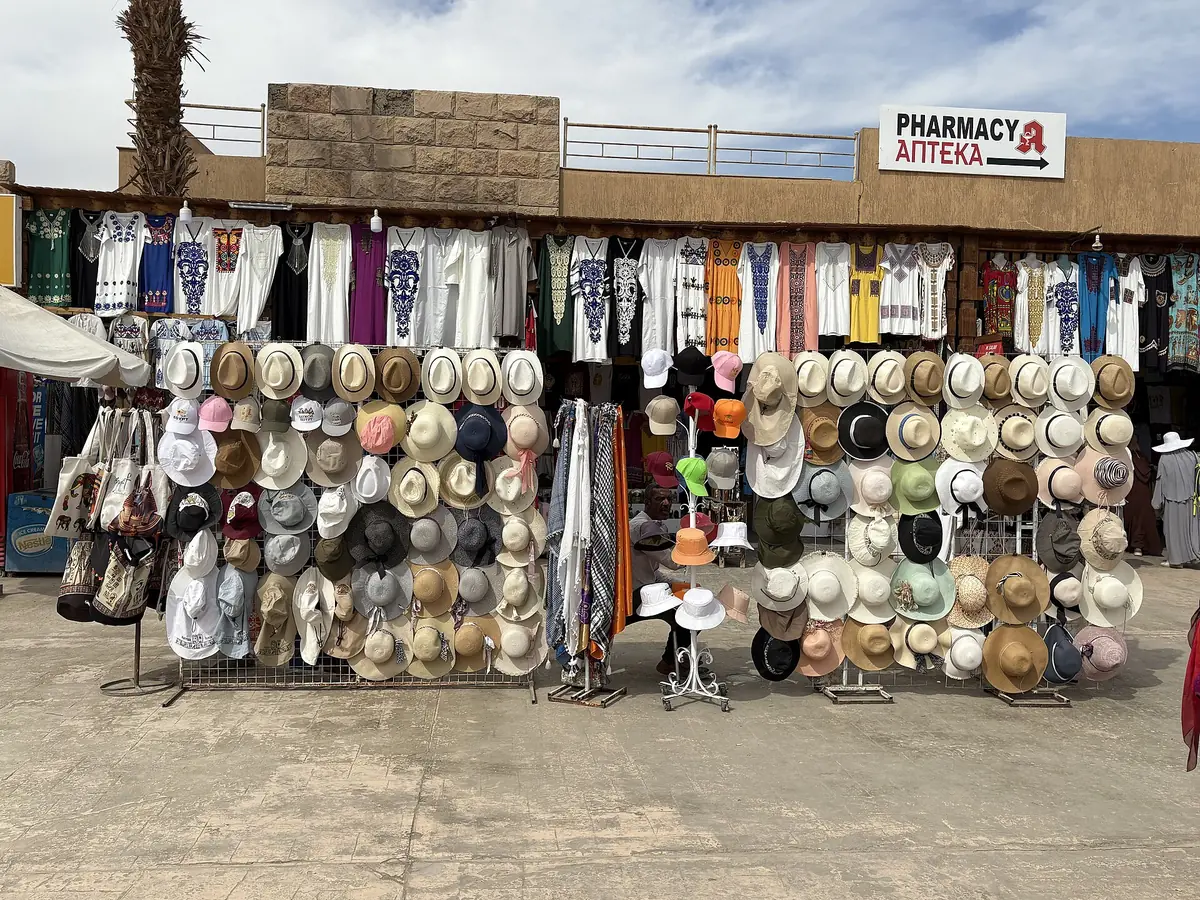
Taxis, cafés, street food and market stalls take cash in Egyptian pounds, so keep a stock of small notes. In Greater Cairo and Alexandria, ride-hailing apps are widely used and show the fare before you ride; Uber also lets you pay the driver in cash, and its average ride from Cairo airport takes 35 minutes and costs EGP 293. Touts and scammers work the tourist areas and sometimes target foreigners. Agree a price before you accept a service, and pay it in exact notes. A firm, polite refusal works better than an angry one.
Prices and times checked 28 November 2026
Tipping and baksheesh
Baksheesh is part of daily life in Egypt, and it comes in three kinds. The most common is a tip, a small reward for a small service: the waiter, the man who minds your shoes outside a mosque, or the custodian who unlocks a tomb or a minaret for you. The second rewards someone for bending a rule, such as letting you into a restricted area of a site. Such a reward is not the same as bribery; bribery carries real risks and is best avoided. The third is alms: Egyptians give small change to people in need, and it is natural to join them.
In restaurants a tip is a small sum rather than a percentage of the bill, and it is expected even when the bill says that service is included. Tips are paid almost entirely in notes, often well-used and hard to separate, so keep a separate pocket of small notes just for baksheesh, and ask your hotel or guide what is usual for each service. If you tip in foreign currency, give notes, not coins: coins cannot be changed into Egyptian pounds.
Each tip is small, but together tips are an important part of many people's livelihood. Be generous where someone has helped you. When an unasked-for service is followed by a request, decline politely and without offence.
Prices and times checked 28 November 2026
Carrying cash into and out of Egypt
You may bring up to EGP 5,000 into Egypt and take up to EGP 5,000 out. There is no limit on the foreign currency you bring, but you must declare it on arrival if it is worth more than USD 10,000, and you may take more than that out again only if you declared it when you came in.
The rule is enforced. Pounds above the limit can be confiscated at the border, and breaking the cash rules can lead to prosecution and arrest as well as the loss of the money. Before you fly home, spend your surplus pounds or change them back.
Prices and times checked 28 November 2026
Practical questions
Can I pay by card in Egypt?
Yes for the big sights: the antiquities ministry's ticket counters, machines, website and app take Visa and Mastercard. Hotels and restaurants used by tourists and larger shops take cards too; taxis, cafés and market stalls want cash.
Can I pay for the Pyramids in cash?
No, pay by card. Visa and Mastercard are accepted at the ticket counters, at the self-service machines on the plateau and on the official site egymonuments.com. Prices are in Egyptian pounds.
Which currency should I bring to Egypt?
US dollars. They are the preferred foreign currency, the paper visa on arrival costs USD 30 in cash (USD 36 for Cairo's digital visa, by card at the machines), and foreigners' train tickets are paid in dollars or euros. Withdraw Egyptian pounds at ATMs for everyday spending.
Do ATMs in Egypt take foreign cards?
Mostly with a credit card; a debit card usually works only at a bank's ATM. Cash withdrawals have a daily maximum. Decline any offer to charge you in your home currency.
How much Egyptian money can I take into or out of Egypt?
Up to EGP 5,000 in each direction. Foreign currency is unlimited, but you must declare it on arrival if it is worth more than USD 10,000.
Do I have to tip in Egypt?
Small tips, called baksheesh, are expected for small services, from the waiter to the custodian who opens a tomb, and in restaurants even when the bill includes service. Ask your hotel or guide what is usual, keep small notes for them, and give notes, not coins, if you tip in foreign currency.
Keep planning your trip
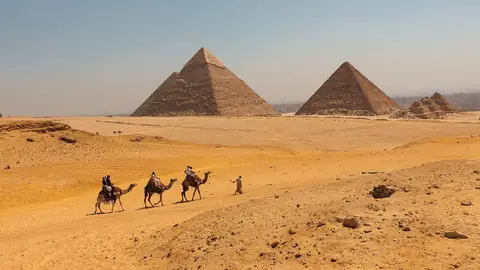
First trip to Egypt
Choose seven days or ten for Cairo, Giza, Luxor and Aswan: nights in each, the train or a Nile cruise, the season, the visa and what to book first.
Read the guide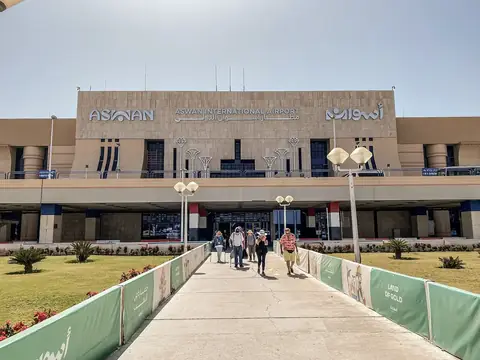
Entering Egypt
Whether to buy Egypt's e-visa before you fly or a visa on arrival, who gets the free Sinai-only stamp, passport validity, land and sea borders and customs.
Read the guide
Egypt trip cost
Ten days with Cairo, a Nile cruise and the Red Sea: about EGP 90,900 per person on a budget, 99,100 mid-range or 141,800 in comfort, before meals off the ship.
Read the guide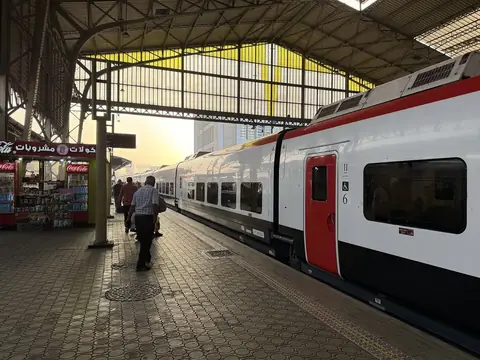
Transport in Egypt
How to travel Egypt: the sleeper train from Giza to Luxor and Aswan, day trains, domestic flights, buses, ride-hailing cars and the Cairo Metro, with journey times.
Read the guide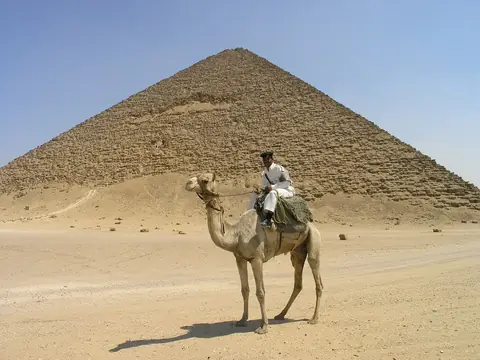
Health and safety in Egypt
Where the advisory lines run in Sinai and the deserts, emergency numbers, insurance, vaccines and medicines, tap water, heat, night roads, balloons, touts and the laws.
Read the guide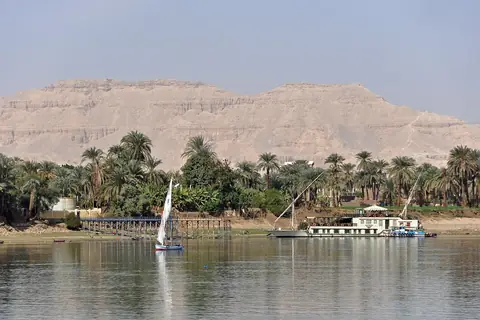
Where to stay in Egypt
Which area of Cairo, Giza, Luxor, Aswan, Hurghada and Alexandria to sleep in, how many nights each needs, and three hotels in each with their rates.
Read the guideSources and checks before you travel
(23)
- Central Bank of Egypt: official exchange rates ↗ — opens in a new tab
- Central Bank of Egypt: banknote denominations ↗ — opens in a new tab
- Central Bank of Egypt: banknote issuance ↗ — opens in a new tab
- UK Foreign Office (GOV.UK): Egypt entry requirements ↗ — opens in a new tab
- UK Foreign Office (GOV.UK): Egypt safety and security ↗ — opens in a new tab
- Government of Canada: Egypt travel advice (money) ↗ — opens in a new tab
- Germany's Foreign Office (Auswärtiges Amt): Egypt travel and safety advice (in German) ↗ — opens in a new tab
- France Diplomatie: Egypt travel advice, useful information (in French) ↗ — opens in a new tab
- France Diplomatie: Egypt travel advice, entry and stay (in French) ↗ — opens in a new tab
- Ministry of Tourism and Antiquities (egymonuments.com): frequently asked questions ↗ — opens in a new tab
- Ministry of Tourism and Antiquities: self-service ticket machines at the Giza Pyramids plateau ↗ — opens in a new tab
- Daily News Egypt: which sites and museums apply cashless ticketing (5 June 2023) ↗ — opens in a new tab
- Visa: what you should know about dynamic currency conversion ↗ — opens in a new tab
- Rough Guides: Egypt culture and etiquette ↗ — opens in a new tab
- Ministry of Tourism and Antiquities: Giza Plateau (tickets) ↗ — opens in a new tab
- Experience Egypt (Egyptian Tourism Authority): useful information ↗ — opens in a new tab
- Uber: rides from Cairo International Airport (CAI) ↗ — opens in a new tab
- Uber Egypt: Cairo cash payments ↗ — opens in a new tab
- Cairo Metro: tickets and subscription prices ↗ — opens in a new tab
- NPR: Taamiya, Egypt’s fava bean duo (30 August 2026) ↗ — opens in a new tab
- Egypt Telegraph: koshari restaurant prices (10 December 2025, Arabic) ↗ — opens in a new tab
- Egypt e-Visa Portal (Ministry of Interior): FAQ ↗ — opens in a new tab
- Adventure Travel Trade Association (trade press report): Egypt visa fee change from January 2027 ↗ — opens in a new tab
Reference sources for the version dated 29 November 2026. Confirm opening times, access, transport and conditions for your travel dates.
Photo credits
(6)
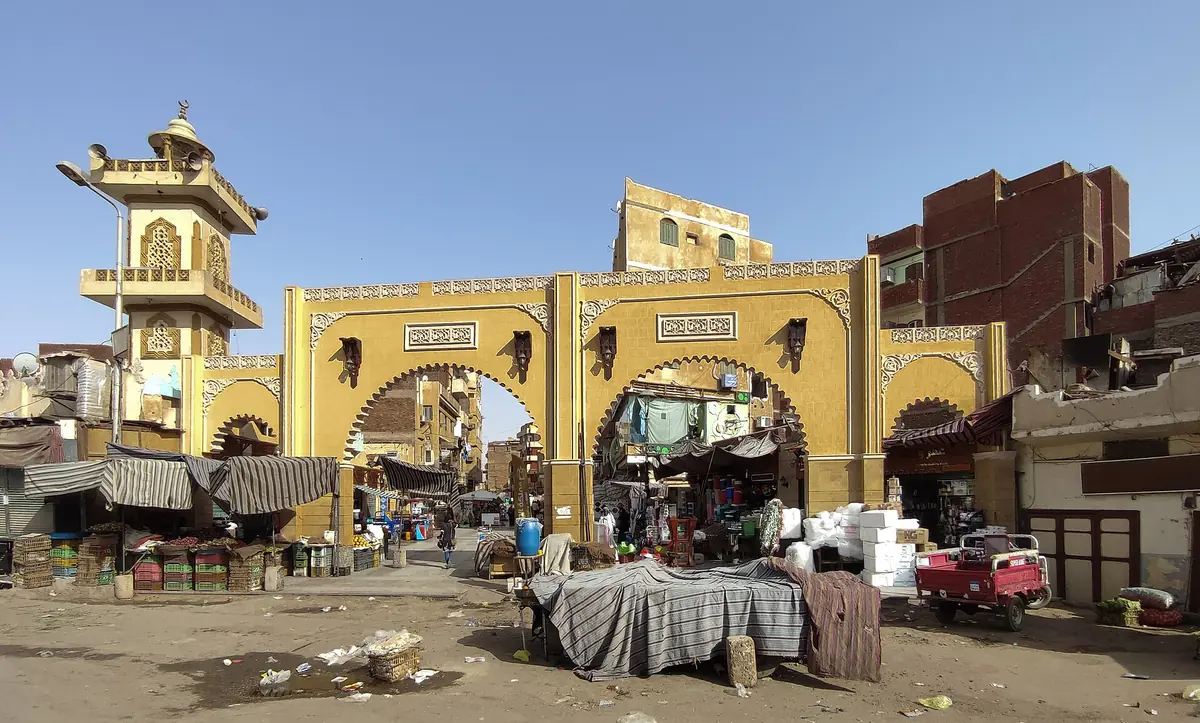
The gateway to the souq in Aswan, where stalls and small shops take cash in Egyptian pounds
Photograph: Petar Milošević — opens in a new tab · CC BY-SA 4.0 — opens in a new tab
Changes: Resized and converted to WebP; displayed with responsive crops. · Original photograph and licence details ↗ — opens in a new tab
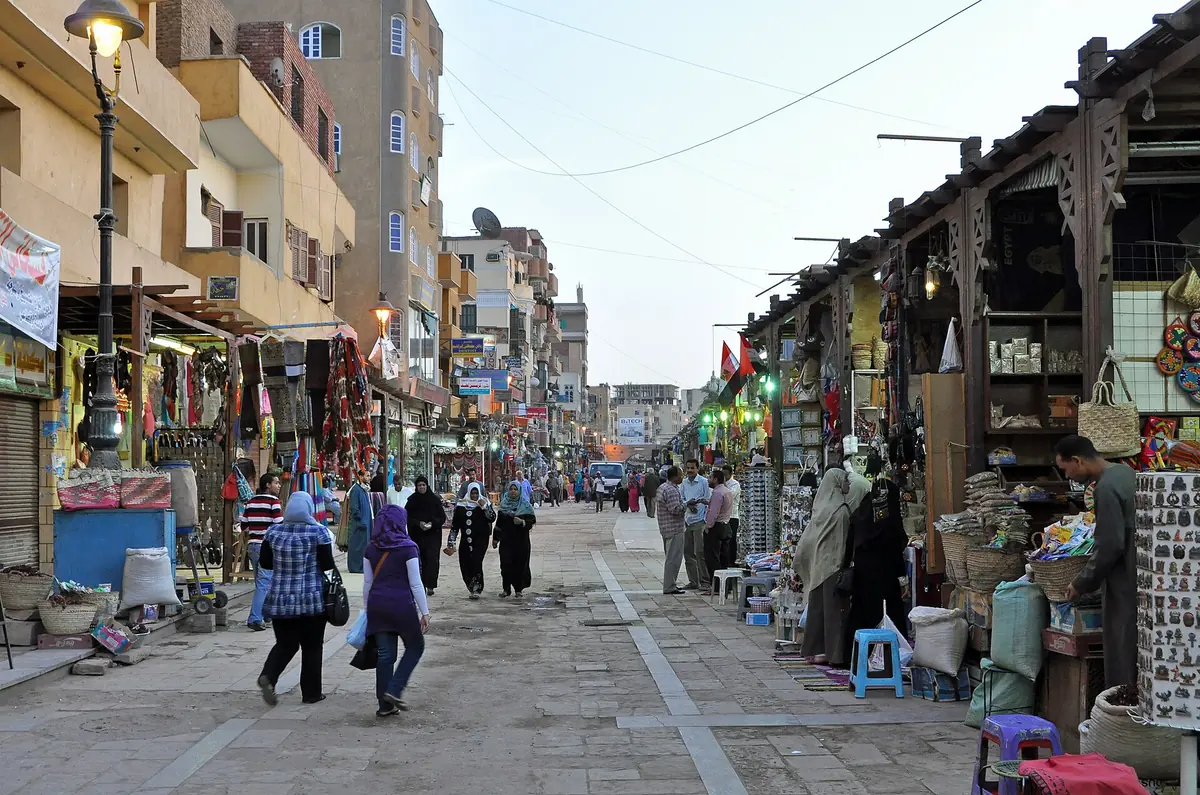
Aswan's market street by day: cafés, taxis and stalls like these run on small notes
Photograph: Marc Ryckaert ( MJJR ) — opens in a new tab · CC BY 3.0 — opens in a new tab
Changes: Resized and converted to WebP; displayed with responsive crops. · Original photograph and licence details ↗ — opens in a new tab
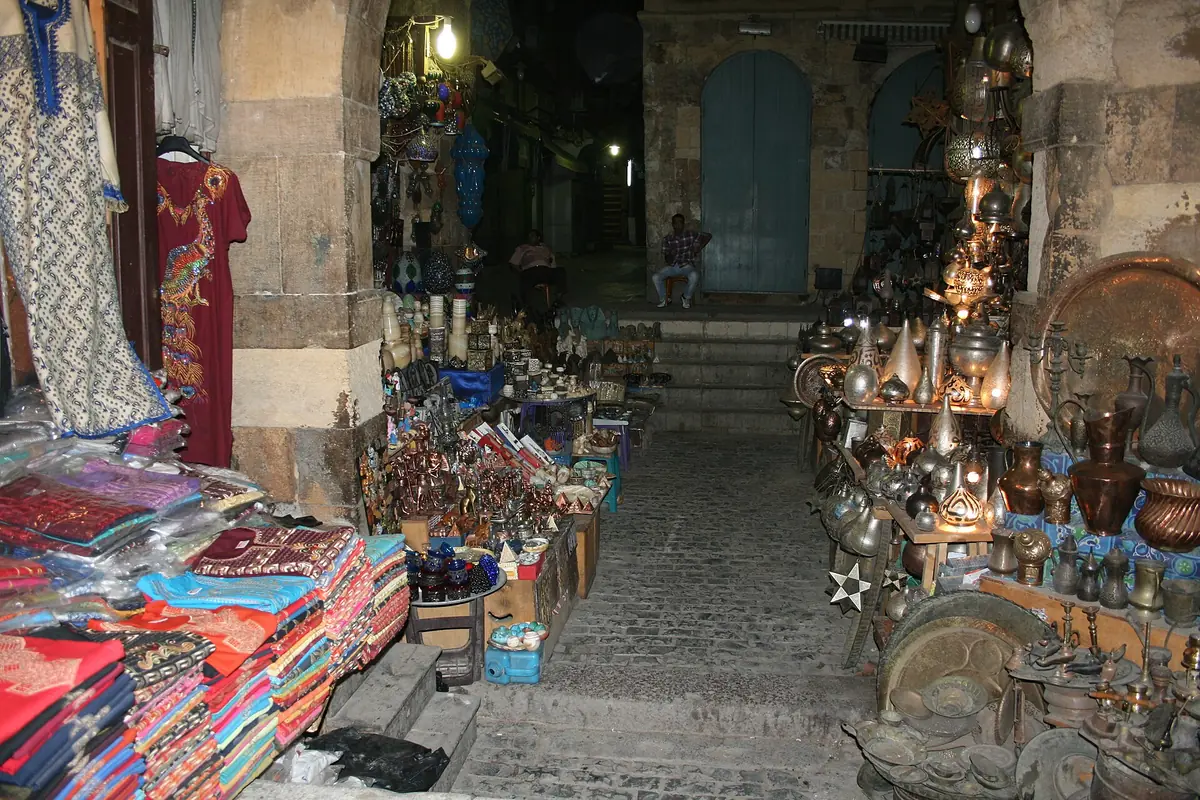
An alley of Khan el-Khalili in Cairo, where prices are agreed and paid in cash
Photograph: Diego Delso — opens in a new tab · CC BY-SA 3.0 — opens in a new tab
Changes: Resized and converted to WebP; displayed with responsive crops. · Original photograph and licence details ↗ — opens in a new tab
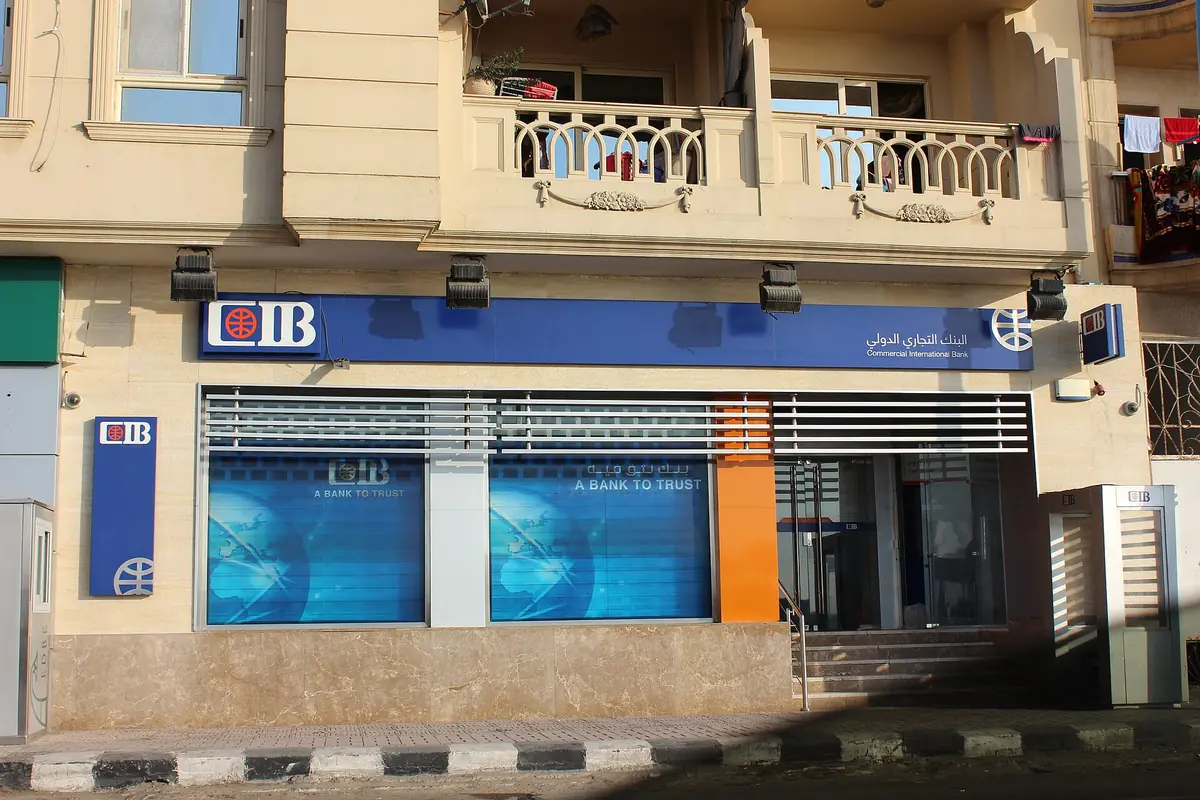
A Commercial International Bank (CIB) branch in Alexandria
Photograph: لا روسا — opens in a new tab · CC BY-SA 4.0 — opens in a new tab
Changes: Resized and converted to WebP; displayed with responsive crops. · Original photograph and licence details ↗ — opens in a new tab
A souvenir stall in Luxor, one of many where a small purchase is paid in cash
Photograph: ولاء — opens in a new tab · CC BY-SA 4.0 — opens in a new tab
Changes: Resized and converted to WebP; displayed with responsive crops. · Original photograph and licence details ↗ — opens in a new tab
Yuki Ikemori beside the granite falcon statue of Horus at the temple of Edfu
Photo: Yuki Ikemori