Aswan Governorate
Aswan: two nights for Philae, the Nubian villages and a felucca
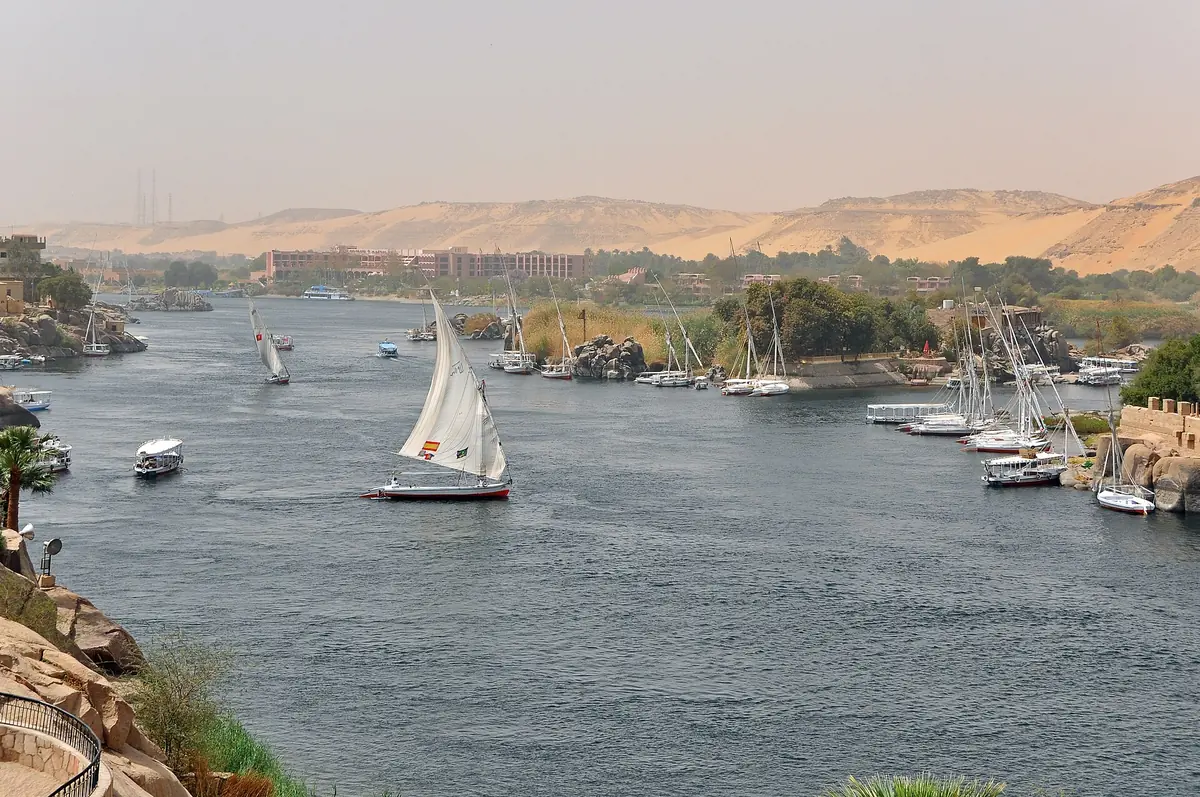
Aswan is where the Nile narrows between dark granite boulders and the desert comes right down to the water. Feluccas tack between Elephantine Island and the west-bank cliffs, the Temple of Isis stands on its rescued island of Agilkia above the old dam, and the painted houses of the Nubian villages begin just upstream. It is a slower town than Luxor, with fewer sights and more river, and that is the reason to stay: two nights give you Philae, the Nubia Museum and the quarry with the Unfinished Obelisk, an afternoon across the water at the rock tombs and a Nubian village, and an evening under sail. A third night turns Aswan into the base for Abu Simbel.
In this guide
Find the location ↗ — opens in a new tabThe short answer
Book two nights in Aswan, on the east-bank Corniche or on Elephantine Island, and a third if you want Abu Simbel without leaving straight afterwards. On the arrival afternoon, see the Nubia Museum (EGP 400) and take a felucca at sunset. Spend the first full morning at Philae, which opens at 07:00 and costs EGP 550 for a foreign adult, then the Unfinished Obelisk (EGP 220) in the granite quarries. In the afternoon, take a boat to the west-bank tombs and on to the Nubian village of Gharb Soheil. Book the onward train, cruise or Abu Simbel trip first.
- Suggested time
- 2 nights in Aswan (3 with Abu Simbel)
- Where to stay
- The east-bank Corniche or Elephantine Island, with one optional night in a Nubian guesthouse at Gharb Soheil
- Season and timing
- Aswan's summer days are very hot: average daily highs reach 41.2-41.4 °C from June to August, against 22.9-29.4 °C from November to March. The cooler months suit a day split between temples and the river. In summer, use the 07:00 openings at Philae and the tombs, and keep the middle of the day for the hotel.
Where to sleep: the Corniche, Elephantine or a Nubian village
Aswan's hotels follow the east bank of the Nile along the Corniche, with the Nubia Museum and the railway station a short taxi ride inland, and a few more stand on Elephantine Island in mid-river. The Corniche is the easiest base: boats to the west bank, Elephantine and the villages leave from its landing stages, and taxis to the Philae boat landing and the quarries start at your door. Elephantine is quieter, with the ruins and the museum on the island itself, but every trip into town begins with a short boat ride.
On the Nile just outside town, Gharb Soheil has Nubian guesthouses in painted village houses. One night there gives you the village after the day visitors leave; two or more make the sights on the east bank harder to reach, so most people keep it to one. Our where-to-stay guide names hotels in each area with their rates.
Philae: the Temple of Isis on its rescued island
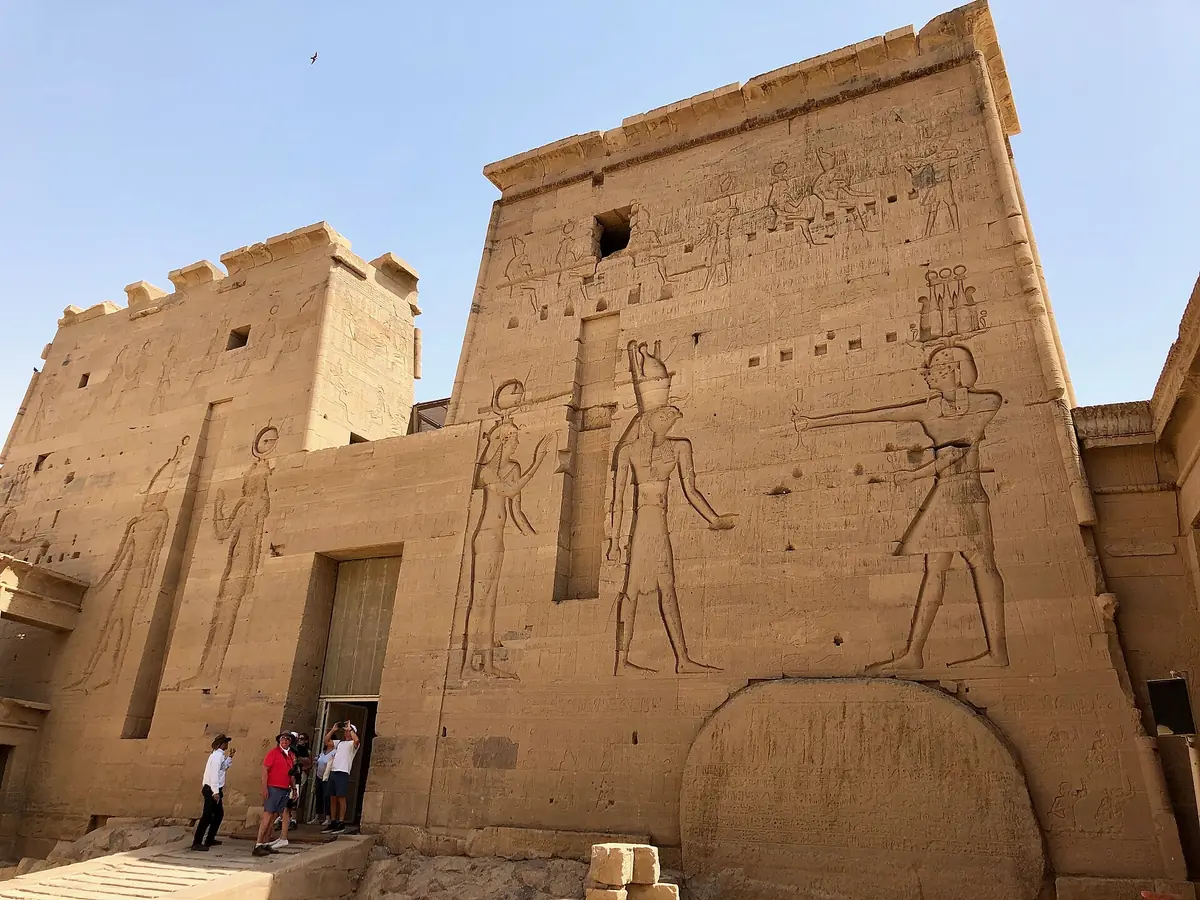
Philae is the reason most people come to Aswan, and it deserves the first morning. The temple complex is mostly Ptolemaic, from 332 to 30 BC. Its centre is the Temple of Isis, the mother of Horus, which Ptolemy II Philadelphus began. In the birth house, a relief shows Isis suckling the infant Horus in the marshes. The Temple of Isis was one of the last ancient Egyptian temples still in use. Worship went on until the 6th century, when the Byzantine emperor Justinian I ordered all pagan temples closed. Here, in 394 AD, a priest of Isis named Esmet-Akhom carved the last dated hieroglyphic inscription. Later the temple became a church, and many of its inscriptions were deliberately destroyed.
Walk on to the temple of Hathor and the Kiosk of Trajan, a roofless pavilion of columns that once fronted the temple complex. Travellers to the island described and drew the kiosk again and again. None of these monuments stands where it was built. In the 1960s, during the UNESCO Nubia campaign, they were moved from the original island of Philae to neighbouring Agilkia, to save them from the flooding caused by the Aswan High Dam. Tours to Philae usually add the High Dam itself, which holds back Lake Nasser south of the town.
The site is open every day from 07:00 to 16:00, and the last entry is at 15:00. Foreign visitors pay EGP 550 (students EGP 275), and a separate panorama ticket costs EGP 200 (students EGP 100). The island is reached only by boats hired for the trip. Agree one price with the boatman for the return trip and the waiting time before you board. Booked as a tour, Luxor and Aswan Travel's private six-hour day of Philae, the High Dam and the Unfinished Obelisk costs USD 125 per adult when two book together, with guide, transport and entrance fees.
In the evening, the Philae Sound and Light Show lights the temple and tells the story of Isis and Osiris. Tickets cost USD 20, or USD 11 for a child, on the operator's site. There are two shows a night, at 19:00 and 20:00, and the language changes from night to night. The English show is at 19:00 on Monday and Friday.
Prices and times checked 29 November 2026
The Nubia Museum and the Unfinished Obelisk
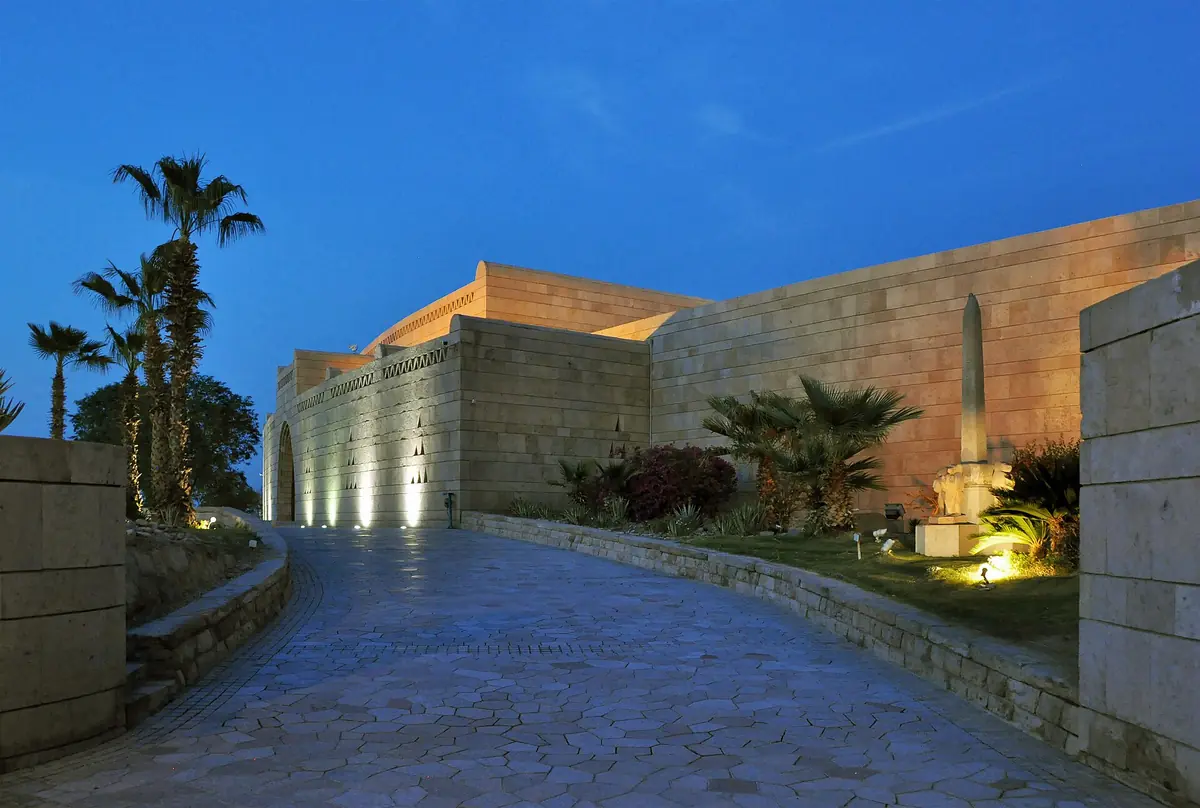
The Nubia Museum tells the story of the land that the High Dam flooded. It was built after the international campaign to save the Nubian monuments and opened in 1997, in a building of local sandstone and pink granite by the architect Mahmoud Al-Hakim that won an Aga Khan Award in 2001. Three floors hold thousands of objects that trace the growth of Egyptian and Nubian civilisation, and a diorama shows Nubian village crafts and customs. Leave time for the garden, an open-air museum with part of a Fatimid cemetery, a cave with prehistoric rock drawings and a rebuilt Nubian house.
The museum opens every day from 09:00 to 17:00, with the ticket window closing at 16:00, and again on Thursday and Friday evenings from 18:00 to 21:00 (last tickets 20:00). In Ramadan it opens from 09:00 to 15:00. Foreign visitors pay EGP 400 (students EGP 200). Food and drink are not allowed in the galleries, apart from a small bottle of water.
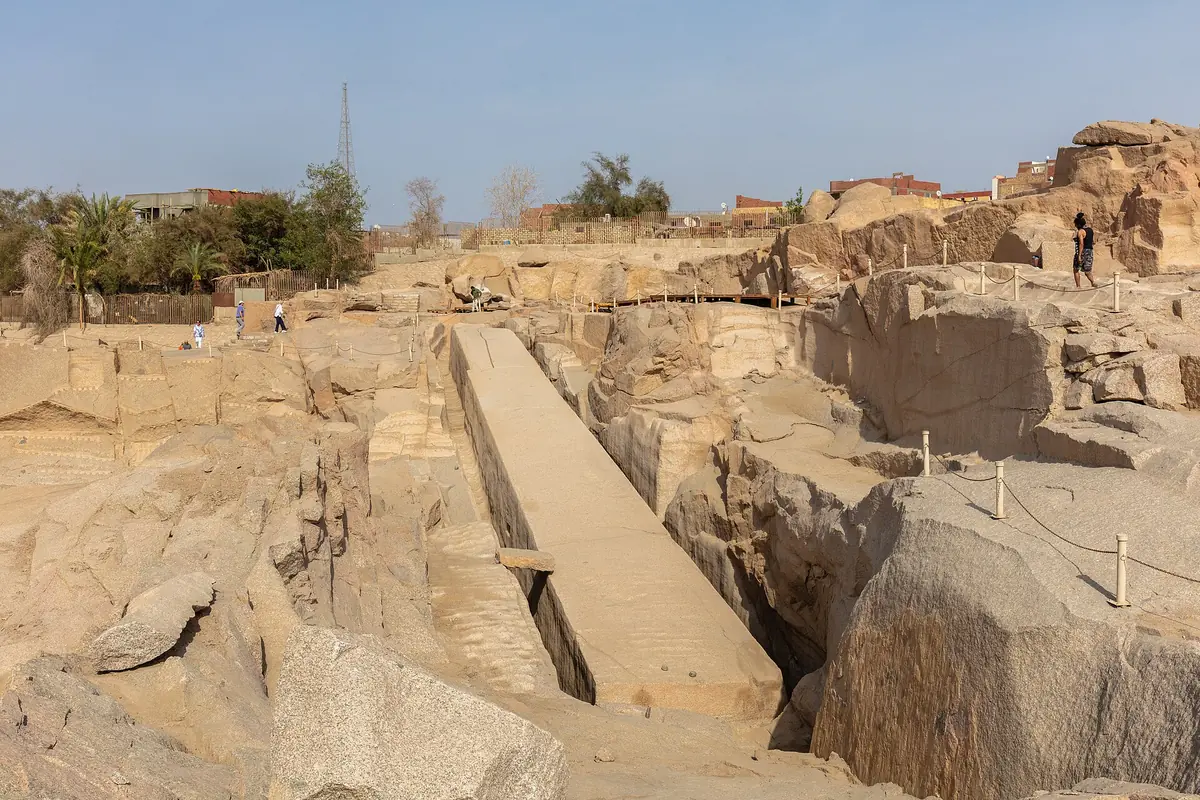
In one of Aswan's ancient granite quarries lies the Unfinished Obelisk, left where the masons gave up on it and buried under sand until the early 20th century. It is thought to have been ordered by Hatshepsut for the temple of Amun at Karnak. The work was abandoned because of flaws and fissures in the stone. Had it been finished, the obelisk would have stood about 42 m high and weighed 1,168 tonnes, taller than any other ancient Egyptian obelisk. The site opens from 07:00 to 16:00, with the last entry at 15:00, and foreign visitors pay EGP 220 (students EGP 110). It pairs well with Philae on the same morning.
Prices and times checked 29 November 2026
Elephantine Island and its Nilometer
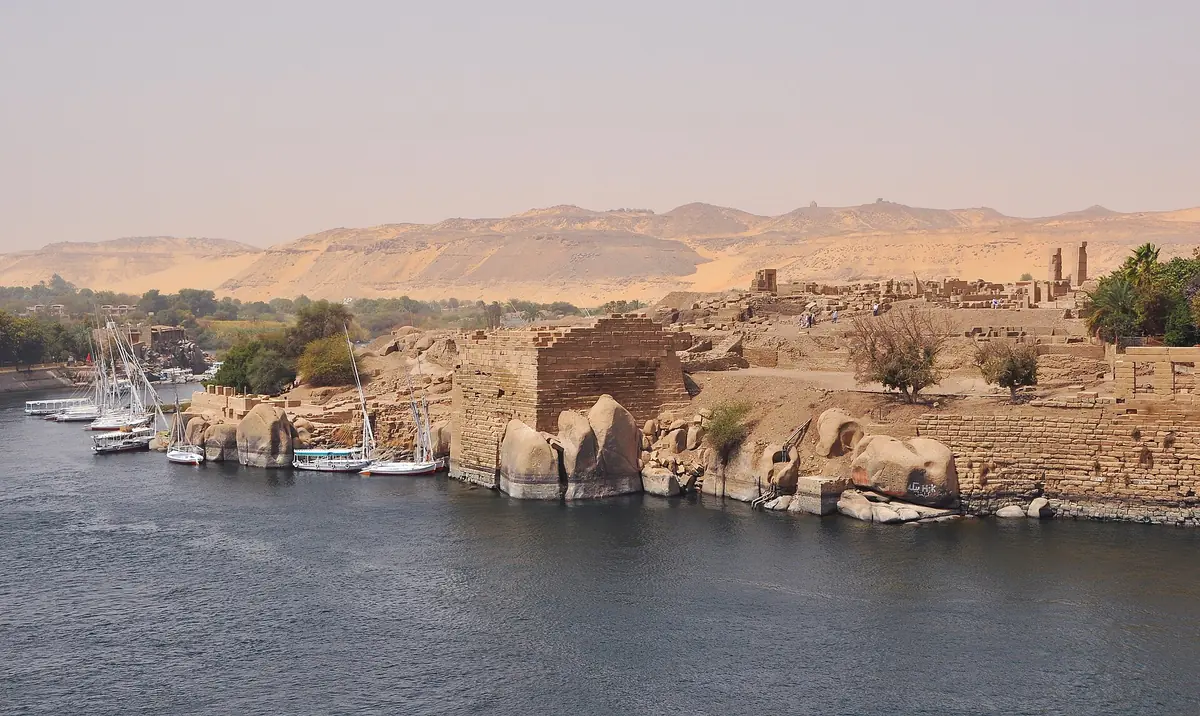
Elephantine was Egypt's southern gate, the island through which traders from Nubia entered the country. The excavated ruins hold houses of the ancient town, the temple of Khnum, god of the annual Nile flood, and the temple of Satet, the goddess who guarded Egypt's southern frontier. Do not miss the Nilometer, which measured the height of the flood, or the small museum with the finds of the German archaeological mission working on the island. Elephantine was inscribed on the UNESCO World Heritage List in 1979.
The site opens from 08:00 to 16:00, and foreign visitors pay EGP 200 (students EGP 100). A short boat ride takes you across to the island. Beyond Elephantine, Kitchener's Island holds Aswan's botanical garden, a quiet stop by boat on the way to the west bank.
Prices and times checked 28 November 2026
The west bank: rock tombs and the Monastery of St Simeon
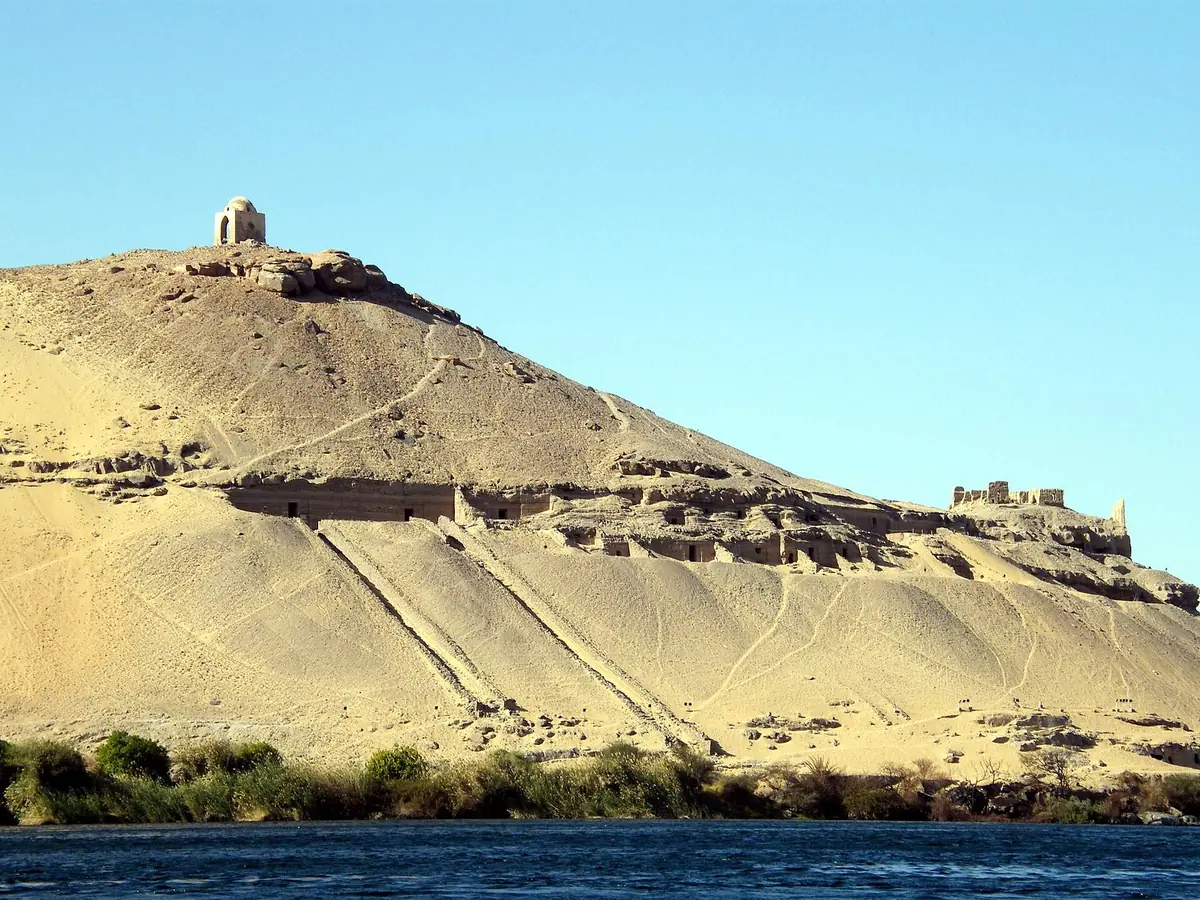
The tombs of Qubbet el-Hawa (also written Qubbat al-Hawa) are cut into the cliff across the river from the northern tip of Elephantine. They belonged to the governors and high officials of Aswan from the Old to the Middle Kingdom, and the hill stayed in use as a cemetery into the Roman period. The name comes from the small domed tomb of Sheikh Ali Abu al-Hawa on the summit; the climb up rewards you with a wide view over the islands, the sails and the desert. The tombs open from 07:00 to 16:00, and foreign visitors pay EGP 200 (students EGP 100).
Also on the west bank, on the high hills you see from Elephantine, the Monastery of St Simeon is one of the best-preserved medieval monasteries in Egypt, built of stone and mud brick on two terraces. Its real patron is Anba Hadra, a local saint of the late 4th and early 5th century. He lived first as a monk and finally as bishop of Syene, today's Aswan. A festival is still held at the site every 21 December, the anniversary of his death. Monks lived here from the 6th to the early 14th century. Inside the high walls you see a church and a grotto with remains of colourful wall paintings, the monks' two-storey residence, a refectory, ovens and oil presses, and Coptic and Arabic graffiti left by monks and visitors. It opens from 07:00 to 17:00, and foreign visitors pay EGP 100 (students EGP 50).
Prices and times checked 28 November 2026
Gharb Soheil and a felucca on the Nile
Gharb Soheil is the Nubian village most visitors see, on the Nile near Aswan. Its houses are painted in bright colours and patterns, and Nubian music, on drums, flutes and lutes, still belongs to the village's weddings and celebrations. It is part of UN Tourism's Best Tourism Villages programme and of Egypt's ECO EGYPT ecotourism campaign. Come by motorboat from the Corniche in the afternoon, walk the lanes, drink tea in a guesthouse and stay for dinner, or for the night. Luxor and Aswan Travel's four-hour boat trip to a Nubian village, with tea in a Nubian house and hotel transfers, costs USD 85 per adult when two book together.
A felucca is the classic Aswan hour: a wooden boat with one tall sail, sailing between the granite boulders of Elephantine and the west bank with no engine noise at all. The light is best late in the afternoon, when the cliffs of Qubbet el-Hawa turn gold. A felucca is hired as a whole boat at the landing, or booked ahead: Luxor and Aswan Travel's two-hour trip with hotel pick-up, about one hour of it on the felucca, costs USD 60 per adult when two book together. The boat sails where the wind allows, so a felucca may not reach a fixed sight. Choose a motorboat for a timed trip to Gharb Soheil.
Two nights, three days
This order puts the 07:00 openings on the full day and keeps the river for the cooler hours. With a third night, add the Abu Simbel day as day 3 and move the departure to day 4.
- Day 1, arrival: check in on the Corniche or Elephantine, then the Nubia Museum (ticket window open until 16:00) and a felucca in the late afternoon. Sleep in Aswan.
- Day 2, full day: Philae at 07:00, then the Unfinished Obelisk, a long lunch, then a motorboat to Qubbet el-Hawa and on to Gharb Soheil for the late afternoon and dinner. On Monday or Friday, the 19:00 English sound and light show at Philae is an alternative evening. Sleep in Aswan, or in Gharb Soheil.
- Day 3, departure: Elephantine and its Nilometer at 08:00, then a boat across to the Monastery of St Simeon, then the train, a flight or the boarding of a cruise north.
What to eat and where to look
Ful medames and ta'ameya
Slow-cooked, spiced fava beans eaten with baladi bread, and ta'ameya, fritters of ground fava beans and herbs. Ful is Egypt's most common breakfast, cheap and filling before an early temple start.
- Where to look
- Breakfast stalls and small cafés in the streets behind the Corniche and around the market street.
- Fit it into your day
- Breakfast on day 2, before the 07:00 opening at Philae.
Sakhena
A Nubian fish dish: the fish is fried, then baked in a clay pot in an onion and tomato sauce, to which Nubian cooks add apricots, and eaten with fresh bread.
- Where to look
- Ask for it at the Nubian guesthouses of Gharb Soheil, ordered ahead.
- Fit it into your day
- Dinner on day 2 in Gharb Soheil.
Grilled Nile fish
Nile fish, grilled or fried whole and served with rice, salad and tahini.
- Where to look
- Riverside restaurants on the Corniche and the guesthouse kitchens of Gharb Soheil.
- Fit it into your day
- Lunch on day 2 on the Corniche, after Philae and the obelisk.
Molokhiya
Arguably Egypt's national dish: a soup of the minced leaves of the molokhiya plant, topped with fried garlic and coriander and served over rice or with bread.
- Where to look
- Egyptian home-cooking restaurants in town and Nubian guesthouse dinners.
- Fit it into your day
- Dinner on the arrival evening.
Molokhiya is often cooked in meat or chicken stock; ask if you avoid meat.
Karkade
A deep red tea of hibiscus, served hot or cold. Hibiscus tea has been drunk in Nubia since ancient Egyptian times, and Aswan is the place to try it.
- Where to look
- Cafés on the Corniche, Nubian guesthouses and the spice stalls of the market street.
- Fit it into your day
- Between the Nubia Museum and the felucca on day 1.
Abu Simbel from Aswan
The two rock temples at Abu Simbel, in Nubia near Egypt's southern border, are the great day out from Aswan. Ramesses II had the Great Temple cut into the living rock around 1264 BC, with four seated colossi of himself on the façade; the Small Temple beside it honours Hathor and Queen Nefertari, whose statues are as tall as the king's. Both were moved in 1968, when the High Dam threatened to drown them, and have been on the UNESCO World Heritage List since 1979. The site is open from 06:00 to 17:00, with the last entry at 16:00. The ministry lists the ticket at EGP 750 for foreign visitors (students EGP 375); on 22 February and 22 October, when the sun's rays cross the main hall and light the statues in the sanctuary, it costs EGP 1,200 (students EGP 600). The official booking site, egymonuments.com, charges more: EGP 822 (students EGP 445.50), or EGP 1,272 (EGP 670.50) on the two sun days.
You can go by road or fly; plan it as its own day, with a night in Aswan on either side. Our Abu Simbel guide compares the road trip, the flight and a night beside the temples. The day trips by road leave Aswan before dawn, and the UK and French governments advise against road travel outside towns at night, so take the flight if you want to avoid the dark start. Aswan and Abu Simbel are named exceptions to the UK Foreign Office's advice against all but essential travel to the area west of the Nile Valley and the Nile Delta; our health and safety guide covers the full advice.
Prices and times checked 29 November 2026
Getting to Aswan and moving on
Day trains and the overnight sleeper from Cairo and Giza end at Aswan station, and domestic flights land at Aswan International Airport (ASW). The sleepers reach Aswan 11 h 00 to 13 h 30 after leaving Giza; the online booking shows only the trains with berths left for your date and berth type, so not every train appears on every day. Seat61, an independent rail guide, lists 2026 foreigner fares of USD 110 one way for a berth in a shared two-berth compartment on Abela's standard sleepers and USD 125 on its refurbished Elite ones; Abela shows its fares only to signed-in users. From Luxor, the same sleepers take 2 h 40 to 3 h 20 southbound, and Seat61 lists foreigner fares of USD 35 in second class or USD 40 in first on the VIP and express day trains between Luxor and Aswan. From Cairo, EgyptAir flies to Aswan daily in most schedule periods, in 1 h 20 to 1 h 25, and KAYAK's route page lists typical one-way fares of USD 82–158. Our transport guide covers the full timetable, the flights and booking.
Many Nile cruises start or end here, with stops at the temples of Kom Ombo and Edfu on the way to Luxor; our Nile cruise guide compares them with the train. Going the other way, Luxor is the next stop north on almost every itinerary.
What the sights cost for two
EGP 3,340 for two foreign adults covers every ticket on the plan: Philae, the Unfinished Obelisk, the Nubia Museum, Elephantine, Qubbet el-Hawa and the Monastery of St Simeon. Abu Simbel adds EGP 1,500 to 1,644 for two, and the sound and light show USD 40.
| Sight | Foreign adult | Student |
|---|---|---|
| Philae | EGP 550 | EGP 275 |
| Nubia Museum | EGP 400 | EGP 200 |
| Unfinished Obelisk | EGP 220 | EGP 110 |
| Elephantine | EGP 200 | EGP 100 |
| Qubbet el-Hawa | EGP 200 | EGP 100 |
| Monastery of St Simeon | EGP 100 | EGP 50 |
Boats are extra. The motorboat to Philae, the felucca and the motorboat to the west bank and Gharb Soheil are each hired as a whole boat and paid on the spot, and no official fare is published. Booked ahead through Luxor and Aswan Travel, with hotel pick-up, the two-hour felucca trip costs USD 60 per adult and the Nubian village boat trip USD 85, so USD 290 for two. Rooms are in our where-to-stay guide, and a full trip budget with meals and transport is in our Egypt trip-cost guide.
Prices and times checked 29 November 2026
Practical questions
How many nights do I need in Aswan?
Two nights give you an arrival afternoon, one full day and a departure morning: enough for Philae, the Nubia Museum, the Unfinished Obelisk, the west-bank tombs, a Nubian village and a felucca. Add a third night for Abu Simbel.
What does Philae cost and when is it open?
Foreign adults pay EGP 550 (students EGP 275), and the site is open every day from 07:00 to 16:00, with the last entry at 15:00. The motorboat to the island is paid separately at the landing.
Where should I stay in Aswan?
On the east-bank Corniche for easy boats and taxis, or on Elephantine Island for quiet. One night in a Nubian guesthouse in Gharb Soheil is worth it if you want the village after the day visitors leave. Our where-to-stay guide names hotels.
Can I visit Abu Simbel from Aswan in a day?
Yes, by road or by air, but it takes most of the day, so plan a third night in Aswan. The temples open from 06:00 to 17:00 and cost a foreign adult EGP 750 on the ministry's list, or EGP 822 on the official booking site. Our Abu Simbel guide compares the options.
How much is a felucca ride?
A felucca is hired as a whole boat at the landing, and no official fare is published. Booked ahead with hotel pick-up, Luxor and Aswan Travel's two-hour trip, about one hour of it on the felucca, costs USD 60 per adult when two book together.
When is the Nubia Museum open?
Every day from 09:00 to 17:00 (last tickets 16:00), and on Thursday and Friday evenings from 18:00 to 21:00 (last tickets 20:00). In Ramadan it opens from 09:00 to 15:00. Foreign adults pay EGP 400.
Keep planning your trip
Luxor
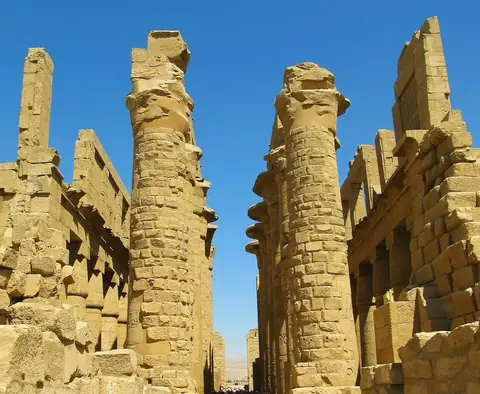
How many nights Luxor needs: Karnak and Luxor Temple, the Valley of the Kings and its special tomb tickets, Hatshepsut, balloons at dawn and the sleeper train.
Read the guide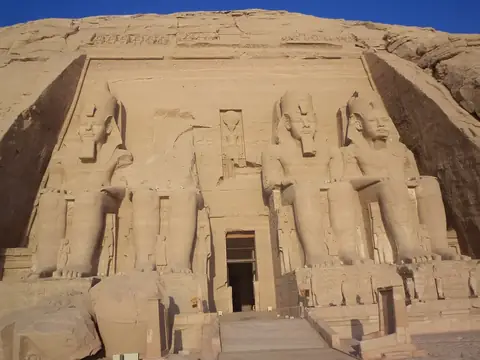
Abu Simbel
Whether to see Abu Simbel on a day trip from Aswan by road or air or stay a night: tickets, opening hours, the sound and light show and the sun festival.
Read the guide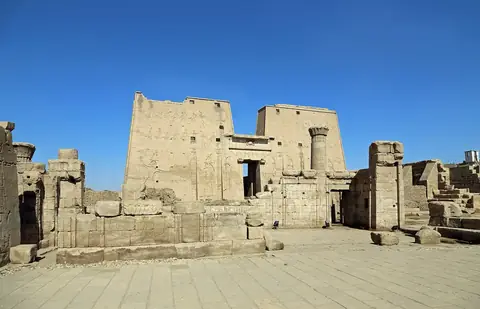
Nile cruise from Luxor to Aswan
Choose between a 3- or 4-night Nile cruise, a 4- or 5-night dahabiya and the train between Luxor and Aswan, with cabin fares, temple tickets and what the fare covers.
Read the guide
Transport in Egypt
How to travel Egypt: the sleeper train from Giza to Luxor and Aswan, day trains, domestic flights, buses, ride-hailing cars and the Cairo Metro, with journey times.
Read the guide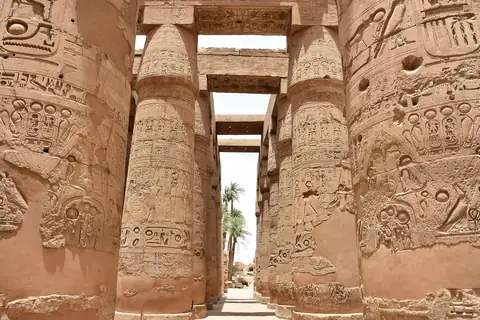
Egypt in 7 days
Seven days, two nights each at Giza, Luxor and Aswan: the Pyramids and the Grand Egyptian Museum, Karnak, the Valley of the Kings, Philae and the cost for two.
Read the guide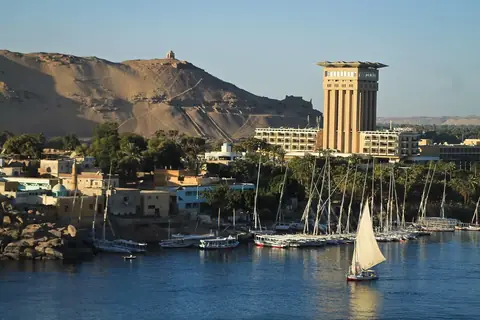
Egypt in ten days
Nine nights: three in Cairo for Giza and the Grand Egyptian Museum, one in Aswan, three on a Nile cruise to Luxor and two in Hurghada, with sailing days and costs.
Read the guideSources and checks before you travel
(32)
- Ministry of Tourism and Antiquities: Philae ↗ — opens in a new tab
- Ministry of Tourism and Antiquities: Nubia Museum ↗ — opens in a new tab
- Ministry of Tourism and Antiquities: The Unfinished Obelisk ↗ — opens in a new tab
- Ministry of Tourism and Antiquities: Elephantine ↗ — opens in a new tab
- Ministry of Tourism and Antiquities: Qubbat Al-Hawa Cemetery ↗ — opens in a new tab
- Ministry of Tourism and Antiquities: The Monastery of Anba Simeon in Aswan ↗ — opens in a new tab
- Ministry of Tourism and Antiquities: Abu Simbel ↗ — opens in a new tab
- Ministry of Tourism and Antiquities: ticket prices for archaeological sites and museums (November 2024 list) ↗ — opens in a new tab
- Sound and Light Show (official tickets): Philae ↗ — opens in a new tab
- UN Tourism Best Tourism Villages: Gharb Suhayl ↗ — opens in a new tab
- UK Foreign Office (FCDO): Egypt travel advice, warnings and insurance ↗ — opens in a new tab
- Ministry of Tourism and Antiquities: A Guide to Aswan's Museums and Archaeological Sites (2024 PDF) ↗ — opens in a new tab
- World Weather Information Service (WMO, Egyptian Meteorological Authority): Aswan climate ↗ — opens in a new tab
- Egyptian Tourism Authority (Experience Egypt): culture and food ↗ — opens in a new tab
- Egyptian Tourism Authority (Experience Egypt): Aswan and Abu Simbel ↗ — opens in a new tab
- Egyptian Tourism Authority (Experience Egypt): useful information ↗ — opens in a new tab
- Seat61 (independent rail guide): Abela sleeper train fares ↗ — opens in a new tab
- Seat61 (independent rail guide): train travel in Egypt ↗ — opens in a new tab
- Abela Trains: online booking search (trip availability data) ↗ — opens in a new tab
- Abela Egypt: sleeping-train timetable ↗ — opens in a new tab
- Luxor and Aswan Travel: felucca ride on the Nile in Aswan ↗ — opens in a new tab
- Luxor and Aswan Travel: trip to the Nubian villages by boat ↗ — opens in a new tab
- Luxor and Aswan Travel: day tour of Philae, the High Dam and the Unfinished Obelisk ↗ — opens in a new tab
- Nawaya (Google Arts & Culture): Sakhena, fish dish from Nuba ↗ — opens in a new tab
- FlightMapper: EgyptAir Cairo to Aswan schedule ↗ — opens in a new tab
- KAYAK: Cairo to Aswan flights ↗ — opens in a new tab
- UK Foreign Office (FCDO): Egypt safety and security ↗ — opens in a new tab
- France Diplomatie: Égypte, sécurité ↗ — opens in a new tab
- Luxor and Aswan Travel: day trip to Abu Simbel from Aswan by road ↗ — opens in a new tab
- EgyMonuments (official ticket platform): Philae Temple ↗ — opens in a new tab
- EgyMonuments (official ticket platform): Unfinished Obelisk ↗ — opens in a new tab
- EgyMonuments (official ticket platform): Abu Simbel ↗ — opens in a new tab
Reference sources for the version dated 29 November 2026. Confirm opening times, access, transport and conditions for your travel dates.
Photo credits
(7)
Feluccas on the Nile at Aswan
Photograph: Marc Ryckaert — opens in a new tab · CC BY-SA 4.0 — opens in a new tab
Changes: Resized and converted to WebP; displayed with responsive crops. · Original photograph and licence details ↗ — opens in a new tab
The Temple of Isis at Philae, moved to Agilkia Island
Photograph: Warren LeMay from Cullowhee, NC, United States — opens in a new tab · CC0 — opens in a new tab
Changes: Resized and converted to WebP; displayed with responsive crops. · Original photograph and licence details ↗ — opens in a new tab
Qubbet el-Hawa and its rock tombs above the Nile
Photograph: youssef_alam — opens in a new tab · CC BY 3.0 — opens in a new tab
Changes: Resized and converted to WebP; displayed with responsive crops. · Original photograph and licence details ↗ — opens in a new tab
The Unfinished Obelisk in its quarry
Photograph: Diego Delso — opens in a new tab · CC BY-SA 4.0 — opens in a new tab
Changes: Resized and converted to WebP; displayed with responsive crops. · Original photograph and licence details ↗ — opens in a new tab
The ruins of Elephantine seen from the Nile
Photograph: Marc Ryckaert ( MJJR ) — opens in a new tab · CC BY 3.0 — opens in a new tab
Changes: Resized and converted to WebP; displayed with responsive crops. · Original photograph and licence details ↗ — opens in a new tab
The entrance of the Nubia Museum
Photograph: Marc Ryckaert — opens in a new tab · CC BY 3.0 — opens in a new tab
Changes: Resized and converted to WebP; displayed with responsive crops. · Original photograph and licence details ↗ — opens in a new tab
The Unfinished Obelisk lying in its granite quarry in Aswan, with visitors standing along the edge
Photo: Yuki Ikemori