Luxor: Karnak, the Valley of the Kings and the west bank in two days
Luxor is ancient Thebes, and the Nile splits it in two. On the east bank, where the town is, Karnak's Great Hypostyle Hall raises 134 columns and Luxor Temple stays open by the river until 20:00. Across the river, the royal tombs of the New Kingdom are cut into a dry valley under a pyramid-shaped peak, Hatshepsut's terraced temple sits against the cliffs, and Medinet Habu keeps its battle scenes. Give each bank a full day, start the west bank when the gates open at 06:00, and save the town side for the evening light.
In this guide
Find the location ↗ — opens in a new tabThe short answer
Book two nights on the east bank near Luxor Temple: one full day for the west bank, one for Karnak and Luxor Temple, and a third night if you want a dawn balloon flight or the Valley of the Queens. The Valley of the Kings costs foreign adults EGP 750 and Karnak EGP 600; Tutankhamun's tomb (EGP 700) and Sety I's (EGP 2,000) are extra tickets on top. Nefertari's tomb has been closed since March 2024. The two-day plan below comes to EGP 2,920 per person in tickets. Book the Abela sleeper from Giza first, because it sets the morning you arrive; a standard berth is USD 110 one way. Book the balloon next, if you want one: Luxor and Aswan Travel sells a shared sunrise flight at USD 175 per adult.
- Suggested time
- 2 nights in Luxor, 3 with a balloon flight or the Valley of the Queens
- Where to stay
- East bank near Luxor Temple and the station; the west bank for a quieter stay among the fields
- Season and timing
- November to March is the mild season, with average highs of 23–29.5 °C. From May to September the average highs are 39–41.4 °C, so start the west bank at 06:00, when the gates open, and spend midday indoors.
East bank or west bank: where to sleep
Most readers should sleep on the east bank, the town side, within walking distance of Luxor Temple. The railway station is about 700 metres from the temple in a straight line, Karnak about 2.6 km to the north, and the restaurants, cafés and evening crowd are here.
The west bank is quieter: villages, fields and the Theban hills, with the tombs and mortuary temples a short drive away. A west-bank room puts you close to the Valley of the Kings at opening time. In the evening, dinner on the town side means crossing the river.
Road traffic between the banks uses Luxor Bridge, about 8.5 km south-west of Luxor Temple, and the public ferry crosses between the east and west banks: carry small Egyptian pound notes for the fare, and if a boatman offers a private motorboat crossing, agree the price before you board. Most visitors do the west bank with a taxi or a driver hired for the day, or on a guided tour: Luxor and Aswan Travel's private west-bank tour, with the Valley of the Kings, Hatshepsut's temple and the Colossi of Memnon, costs USD 112 per adult when two book together, with car, guide and entrance fees. Our where-to-stay guide names hotels on both banks, with their rates, and compares Luxor with the other bases of an Egypt trip.
Day one: the Valley of the Kings, Hatshepsut and Medinet Habu
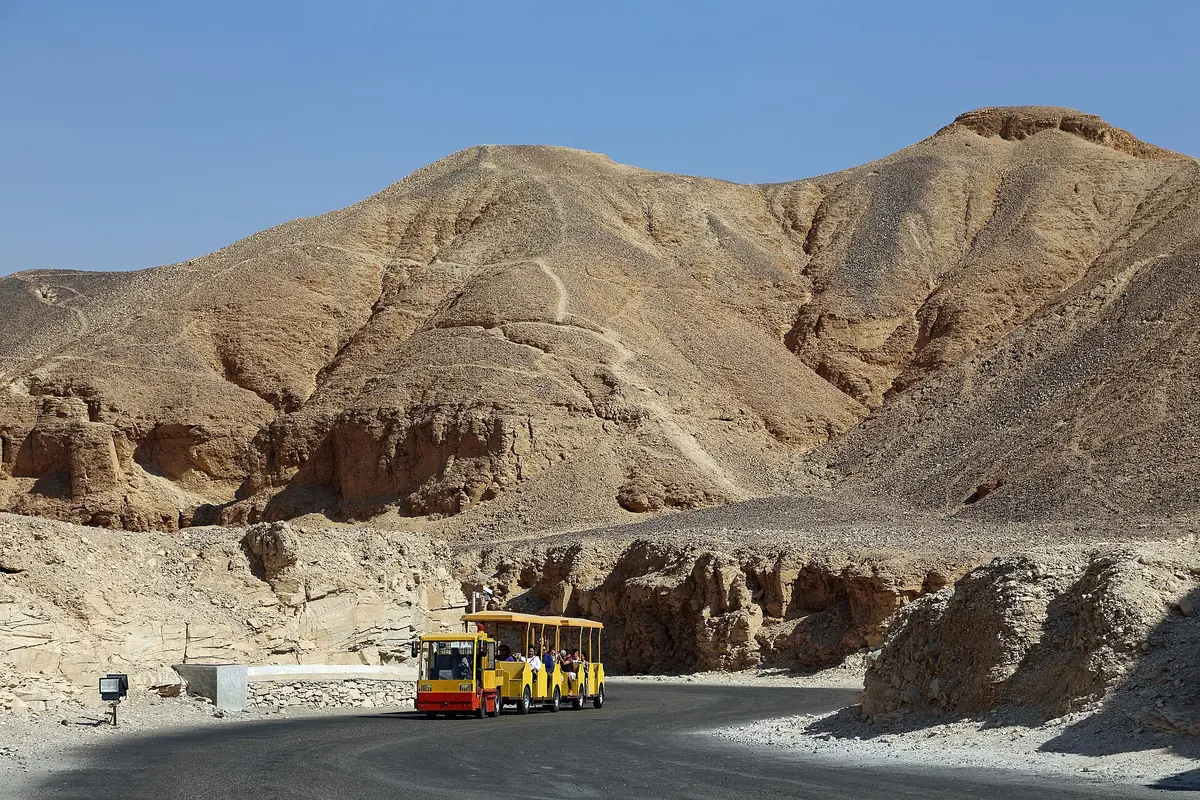
Start at the Valley of the Kings at 06:00, before the heat and the tour buses. The kings of the 18th to 20th dynasties (c. 1550–1069 BC) were buried here in hidden underground tombs, under a natural pyramid-shaped peak that was sacred to Hathor, "Mistress of the West". The valley holds more than sixty tombs, almost all in the eastern branch. Thutmose I is the first king known to have been buried here; his official Ineni wrote that he dug the tomb "none seeing, none hearing".
The general ticket covers the valley and its open tombs, apart from four that are sold separately: Ramesses V and VI, Tutankhamun, Sety I and Ay. Ask at the ticket office which tombs are open on the general ticket that day. Ramesses V and VI (KV9, EGP 220) is the best value of them: a straight line of descending corridors, walls painted in sunk relief with the books of the afterlife, and astronomical scenes on all the ceilings.
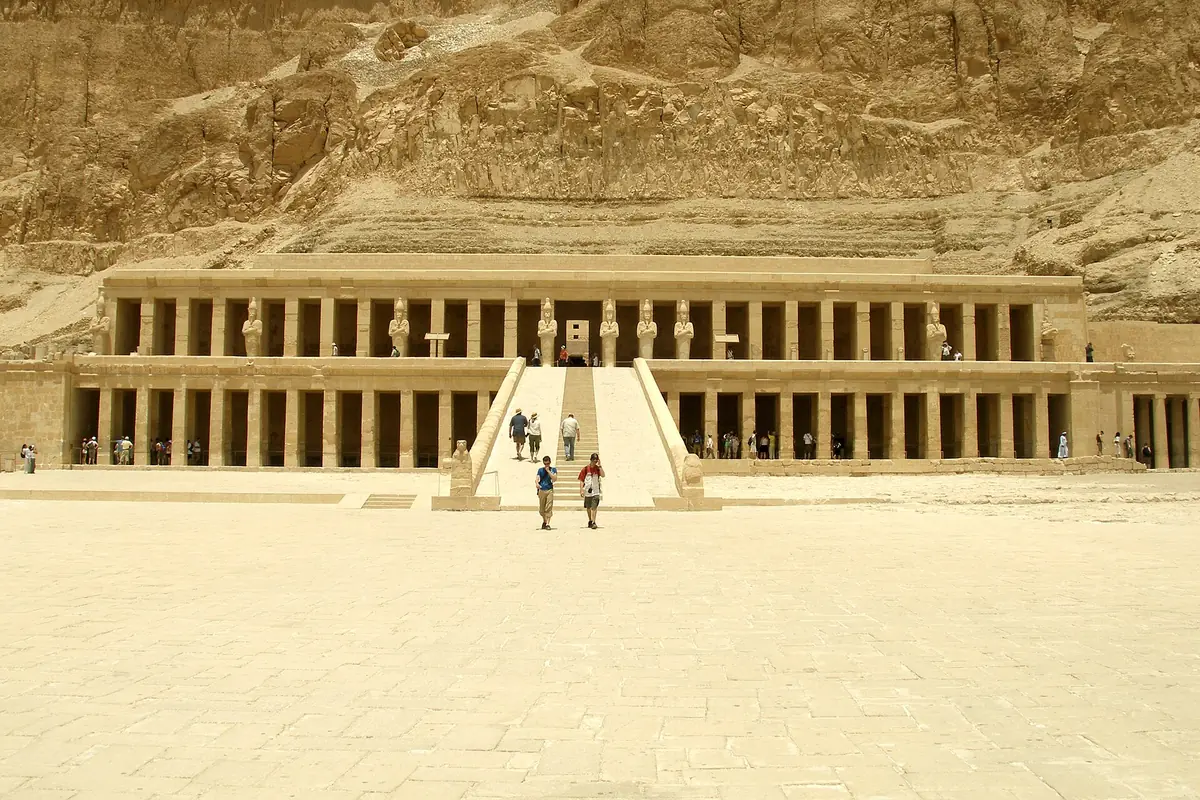
Hatshepsut's temple at Deir al-Bahari, Djeser-djeseru, "Holy of Holies", rises in terraces against the cliff directly across the Nile from Karnak. It was designed by her steward Senenmut. Besides Hatshepsut's own cult it held chapels for her father Thutmose I, Hathor and Anubis, an open-air altar to the sun, and, at the far end of the upper court, a sanctuary of Amun cut into the rock.
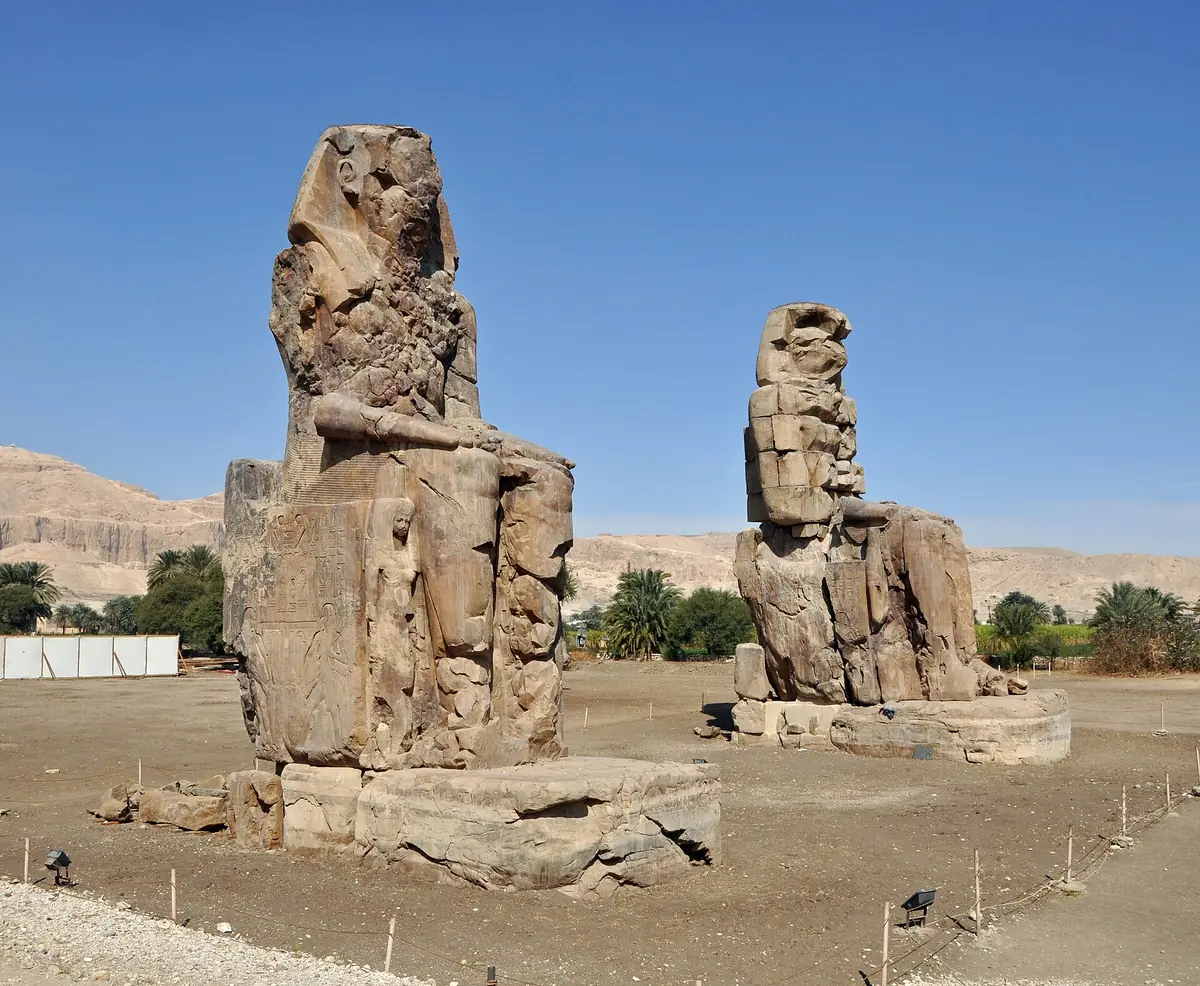
End the morning at Medinet Habu, the mortuary temple of Ramesses III (c. 1184–1153 BC) known for its good state of preservation. You enter through the High Gate, a fortified gatehouse in the mud-brick enclosure wall, then walk through two pylons and two courts lined with Osiris pillars; the walls show the king's wars against the Libyans and the Sea Peoples. Stop at the Colossi of Memnon on the road back: the two seated statues stand in the fields and have no ticket.
Tutankhamun, Sety I and the closed tomb of Nefertari
Besides Ramesses V and VI, three tombs in the Valley of the Kings need their own ticket, bought on top of the general one. Tutankhamun (KV62, EGP 700) is small and only its burial chamber is decorated, but it is the one royal tomb found nearly intact, in 1922, with about 5,000 objects stacked inside. Sety I (KV17, EGP 2,000, students pay the same) is one of the longest, deepest and most finely decorated tombs in the valley, the first decorated throughout, with an astronomical ceiling over a vaulted burial chamber. The third is the tomb of Ay (KV23, EGP 200), Tutankhamun's successor.
Nefertari's tomb lies in the separate Valley of the Queens, whose general ticket is EGP 220. The tomb itself has been closed since March 2024. The ministry closed it to monitor humidity and has not announced a reopening, so do not plan a day around it. For one splurge, choose Sety I, which fits into day one in the Valley of the Kings. A third morning on the west bank can take in the Ramesseum (EGP 220), the mortuary temple of Ramesses II. The same morning has room for Deir el-Medina (EGP 220), the village and tombs of the craftsmen who cut the royal tombs, and the painted Tombs of the Nobles, sold in pairs: Menna and Nakht cost EGP 200, Rekhmire and Sennefer EGP 120.
The west-bank sites open from 06:00 to 17:00 every day. In winter the Valley of the Kings lets the last visitors in at 16:00. A morning start is safer and leaves time to come back to the town side for lunch.
Prices and times checked 29 November 2026
Day two: Karnak, the Avenue of Sphinxes and Luxor Temple at dusk
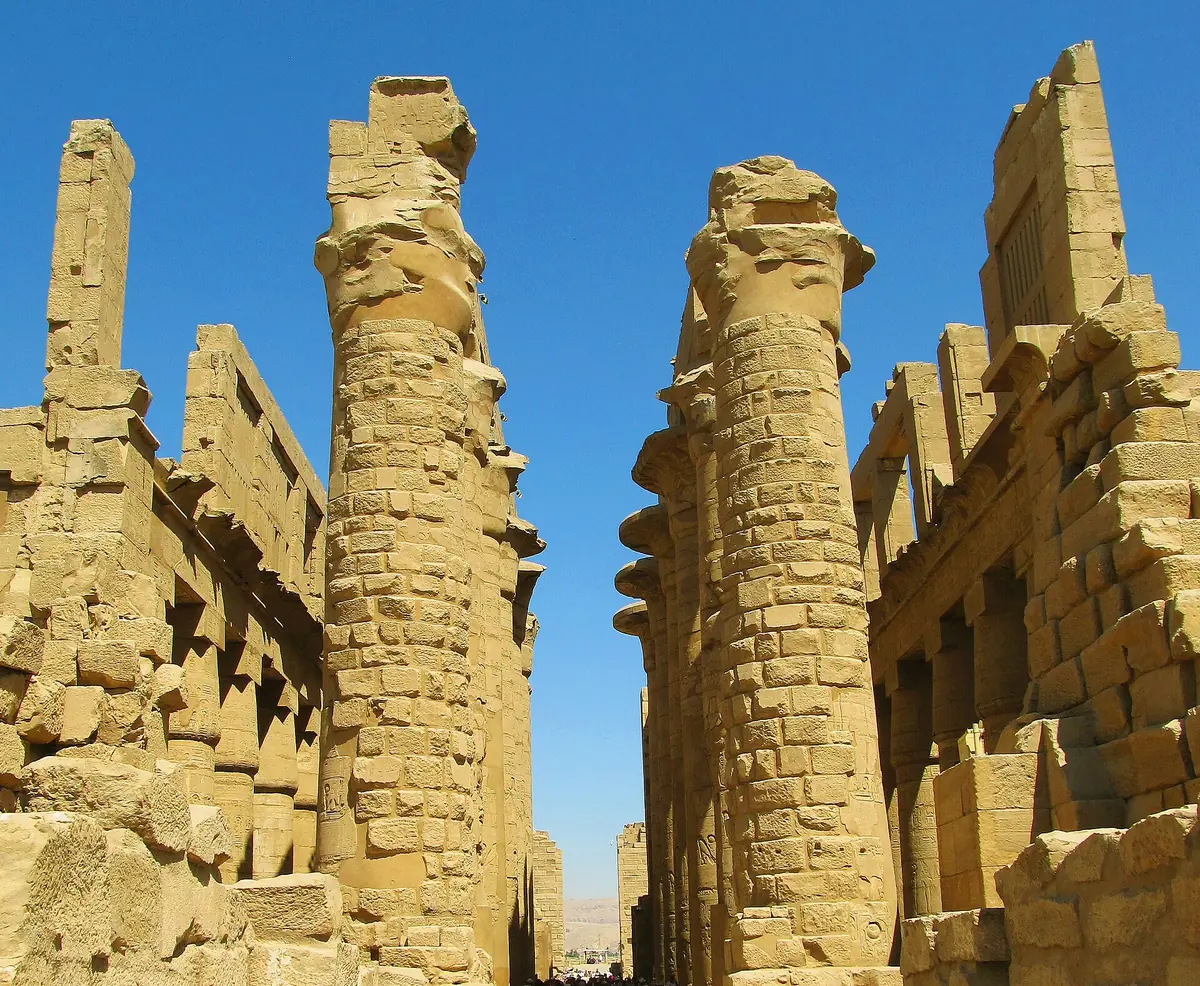
Karnak was Ipet-Sut, "the most select of places", the temple of Amun of Thebes. Kings added to it from about 2100 BC into the Roman period, and nearly every king of the New Kingdom left his mark. The Great Hypostyle Hall is a forest of 134 columns, 15 metres high, with the twelve central ones at 21 metres; most of it was built and all of it decorated under Sety I and Ramesses II. Nearby stands Hatshepsut's obelisk, almost 30 metres tall and over 300 tonnes. Walk on to the sacred lake and to the Akh-menu, Thutmose III's festival temple at the eastern end. The main ticket includes Karnak's Open Air Museum; the Precinct of Mut, to the south, is a separate EGP 200.
Karnak opens at 06:00 and closes at 17:00, but the last entry is at 16:00, so go in the morning. A processional way lined with sphinxes, the Avenue of Sphinxes, once linked Karnak with Luxor Temple, about 3 km to the south, for the Opet Festival; your Karnak and Luxor Temple tickets let you walk it.
Between Karnak and Luxor Temple, fit in the Luxor Museum (EGP 400, audio guide EGP 50), open from 09:00 to 13:00 and again from 17:00 to 20:00. The small Mummification Museum (EGP 220) explains embalming with tools, canopic jars, coffins and animal mummies. It opens from 09:00 to 14:00 and from 17:00 to 21:00, and its ticket window closes an hour before each closing time.
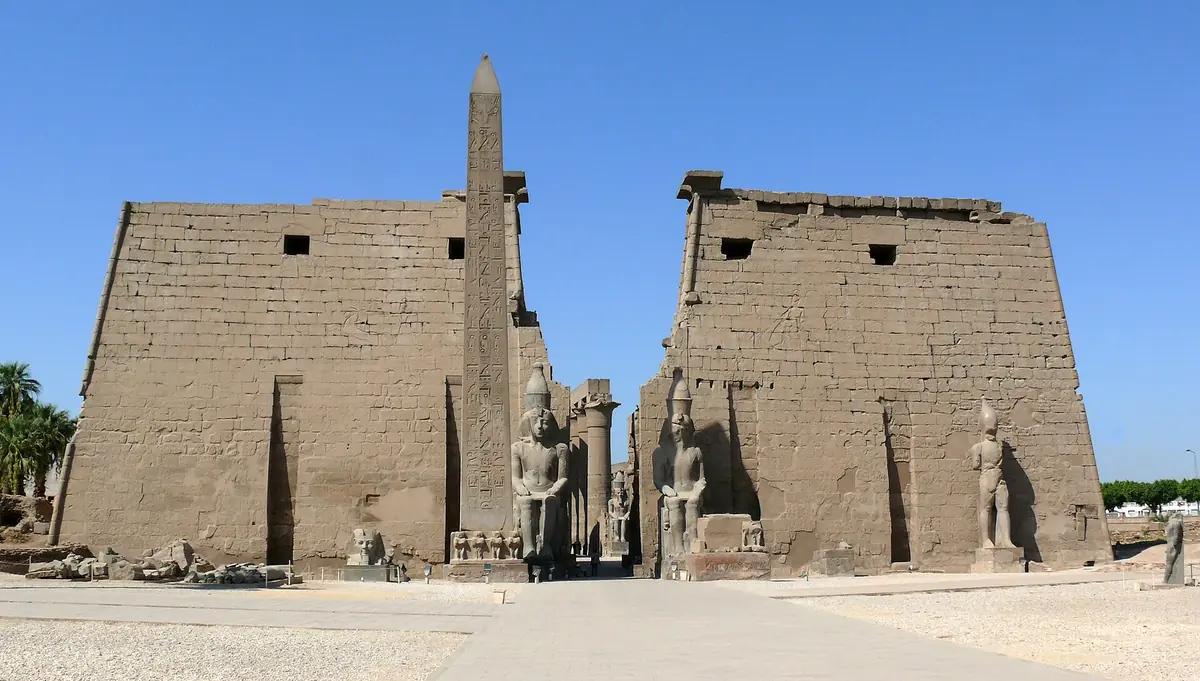
Finish at Luxor Temple, Ipet-resyt, open until 20:00. Amenhotep III built its core and the Great Colonnade of fourteen columns, whose Opet Festival reliefs were finished under Tutankhamun and Horemheb. Ramesses II added the courtyard and the great pylon with its colossal statues and one obelisk; its twin has stood on the Place de la Concorde in Paris since 1836. Inside, the Romans turned a hall into a shrine painted with Diocletian and his co-emperors.
Prices and times checked 29 November 2026
What to eat and where to look
Stuffed pigeon (hamam mahshi)
A traditional Egyptian dish: a grain-fed pigeon stuffed with freekeh, whole green wheat. Order it on a long evening after Luxor Temple.
- Where to look
- Al-Sahaby Lane, the rooftop restaurant of Nefertiti Hotel on Al-Sahaby Street, near Luxor Temple, where it is EGP 350.
- Fit it into your day
- Dinner after the east-bank day.
Molokhiya
A traditional green soup of molokhiya leaves cooked with garlic, on almost every Egyptian menu.
- Where to look
- Al-Sahaby Lane on Al-Sahaby Street lists it among its soups at EGP 75.
- Fit it into your day
- A light lunch after the west-bank morning.
Fattah
Beef strips over rice and fried bread, topped with garlic and tomato sauce and served in a clay pot; one portion is a full meal.
- Where to look
- Egyptian restaurants on the east bank between Luxor Temple and the station.
- Fit it into your day
- Lunch on the day you go to Karnak.
Feteer
Egyptian layered pie of thin pastry glazed with butter, with savoury fillings of cheese, minced meat or vegetables, or sweet ones.
- Where to look
- Feteer bakers and restaurants on the east bank.
- Fit it into your day
- Share one for a late breakfast after a balloon flight.
Karkade
Hibiscus tea, the famous Egyptian drink, served hot or cold.
- Where to look
- Cafés and juice bars in the streets around Luxor Temple.
- Fit it into your day
- A cold glass in the afternoon, before Luxor Temple at dusk.
A balloon over the west bank at sunrise
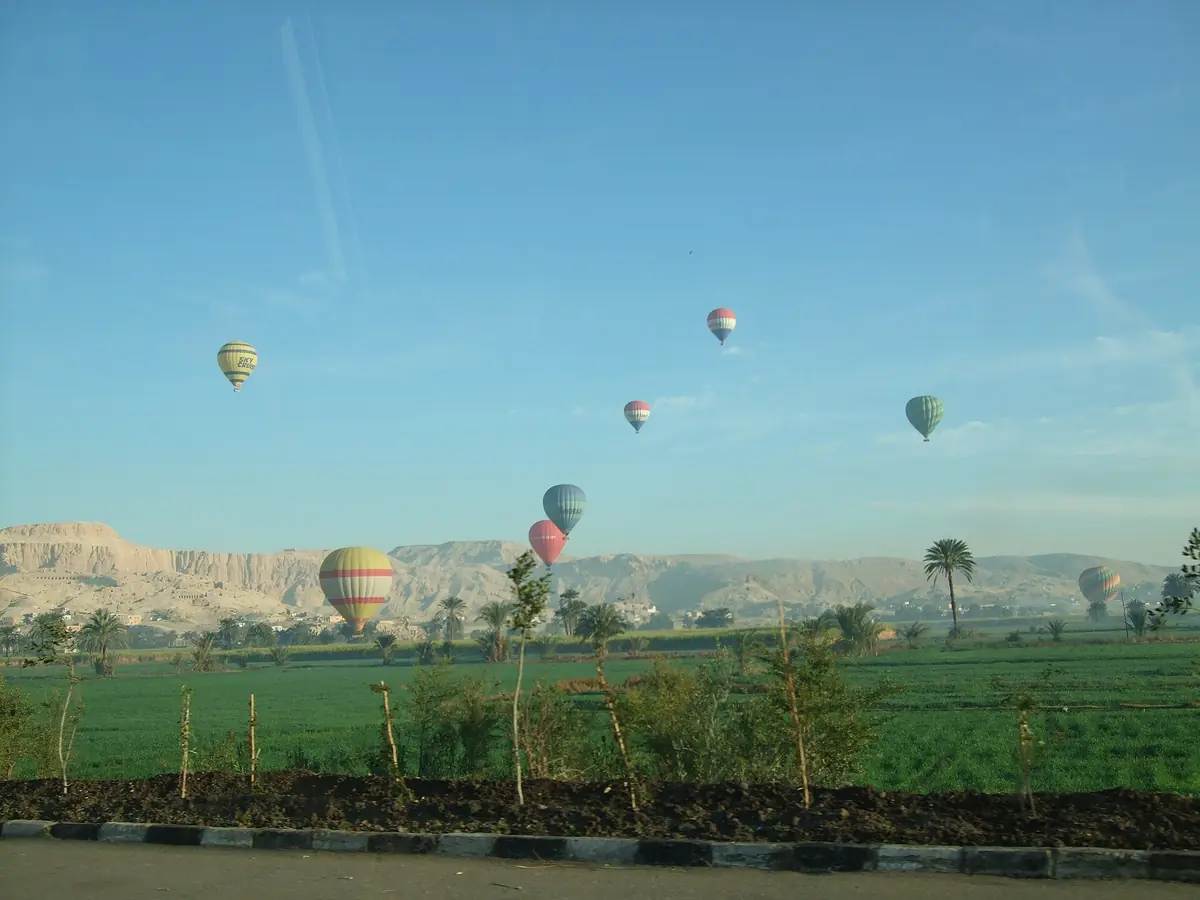
Hot-air balloons lift off from the west bank at dawn and drift over the fields, the Colossi and the temples at the foot of the Theban hills. Hod-Hod Soliman has flown balloons over Luxor and Thebes since 1993, with ten balloons, and says all of them are licensed and inspected every year by the Egyptian Civil Aviation Authority. The company collects passengers from their hotel or cruise boat in Luxor and brings them back after the flight. Luxor and Aswan Travel sells a shared flight at USD 175 per adult: it collects you from your hotel or cruise ship while it is still dark, and the flight lasts 30 to 45 minutes.
The UK Foreign Office advises speaking to your tour company before booking a flight, since some UK tour operators have stopped selling balloon rides because they could not verify safety standards. Book the flight for your first morning, so a flight cancelled by the weather can move to the next day. A balloon morning fits better with the east-bank day than with a 06:00 start at the Valley of the Kings.
Tickets and hours at a glance
Every site sells its own ticket at the gate, priced in Egyptian pounds with separate rates for foreign adults and foreign students. The ministry's e-ticketing platform, egymonuments.com, and its Experience Egypt app also sell tickets online.
| Site | Foreign adult | Foreign student | Hours |
|---|---|---|---|
| Valley of the Kings | EGP 750 | EGP 375 | 06:00–17:00 (last entry 16:00 in winter) |
| Tutankhamun (KV62) | EGP 700 | EGP 350 | 06:00–17:00 |
| Sety I (KV17) | EGP 2,000 | EGP 2,000 | 06:00–17:00 |
| Nefertari (Valley of the Queens) | closed | closed | closed since March 2024 |
| Hatshepsut Temple | EGP 440 | EGP 220 | 06:00–17:00 |
| Medinet Habu | EGP 230 | EGP 110 | 06:00–17:00 |
| Karnak (with Open Air Museum) | EGP 600 | EGP 300 | 06:00–17:00 (last entry 16:00) |
| Luxor Temple | EGP 500 | EGP 250 | until 20:00 |
| Luxor Museum | EGP 400 | EGP 200 | 09:00–13:00, 17:00–20:00 |
The two days above cost EGP 2,920 per person in tickets: the Valley of the Kings, Hatshepsut and Medinet Habu on the west bank (EGP 1,420), then Karnak, Luxor Temple and the Luxor Museum (EGP 1,500). Add EGP 220 for Ramesses V and VI, EGP 700 for Tutankhamun, or EGP 2,000 for Sety I. Students pay half at most sites.
The ministry also sells a five-day Luxor Pass at the Karnak and Valley of the Kings ticket offices: USD 130 for the Standard version and USD 250 for the Premium version, which adds Nefertari and Sety I. Nefertari's tomb is closed, so the Premium pass gives you less than it lists. It needs a copy of your passport and a passport photo. On a two- or three-day visit, single tickets cost less: the two-day plan with Sety I comes to EGP 4,920 per person.
Prices and times checked 29 November 2026
Getting to Luxor, and on to Aswan
From Cairo, take the sleeper. The trains leave Giza between 19:50 and 23:10 and reach Luxor 8 h 20 to 10 h 10 later; those that arrive by about 07:30 give you a full first day. The online booking shows only the trains with berths left for your date and berth type, so not every train appears on every day. Seat61, an independent rail guide, lists 2026 foreigner fares of USD 110 one way for a berth in a shared two-berth compartment on Abela's standard sleepers and USD 125 on its refurbished Elite ones; Abela shows its fares only to signed-in users. Northbound, the sleepers leave Luxor between 19:45 and 23:30. Our transport guide has the full timetable, the day trains and booking.
Luxor International Airport (LXR) is about 7.5 km east of Luxor Temple in a straight line; take a taxi to the east bank.
On to Aswan, the same sleepers continue south in the morning. They leave Luxor between 05:15 and 09:00 and take 2 h 40 to 3 h 20 to Aswan. Seat61 lists foreigner fares of USD 35 in second class or USD 40 in first on the VIP and express day trains between Luxor and Aswan. The slow way is by river: cruise boats link the two cities, and our Nile cruise guide compares a cruise with the train.
Luxor and the Valley of the Kings are named exceptions to the UK Foreign Office's advice against all but essential travel to the area west of the Nile Valley and the Nile Delta; our health and safety guide covers the full advice.
Prices and times checked 28 November 2026
Practical questions
How many nights do I need in Luxor?
Two nights give two full days: the west bank with the Valley of the Kings, Hatshepsut and Medinet Habu, then Karnak, the Luxor Museum and Luxor Temple. Add a third night for a balloon flight, the Valley of the Queens or the Ramesseum.
Is it better to stay on the east or the west bank?
The east bank, near Luxor Temple, suits most first visits: the station, restaurants and the evening temple are on foot. The west bank is quieter and closer to the tombs, but road traffic crosses by Luxor Bridge, about 8.5 km south-west of Luxor Temple.
How much is the Valley of the Kings ticket?
EGP 750 for foreign adults and EGP 375 for foreign students. Tutankhamun (EGP 700), Ramesses V and VI (EGP 220), Sety I (EGP 2,000) and Ay (EGP 200) are separate tickets.
Is Tutankhamun's tomb worth the extra ticket?
It is small and only the burial chamber is decorated, so go for the story of its discovery. For painted walls, Ramesses V and VI at EGP 220 or Sety I at EGP 2,000 give more.
What time do the Luxor sites open?
The Valley of the Kings, the west-bank temples and Karnak open from 06:00 to 17:00. The last entry at Karnak is at 16:00, and at the Valley of the Kings at 16:00 in winter. Luxor Temple stays open until 20:00, and the Luxor Museum opens from 09:00 to 13:00 and 17:00 to 20:00.
Are hot-air balloon flights in Luxor safe?
Operators such as Hod-Hod Soliman say their balloons are licensed and inspected every year by the Egyptian Civil Aviation Authority. The UK Foreign Office advises speaking to your tour company before you book, because some UK operators stopped selling flights when they could not verify safety standards.
How do I get from Cairo to Luxor?
Take the Abela sleeper. Trains leave Giza between 19:50 and 23:10 and take 8 h 20 to 10 h 10, and the online booking shows only those with berths left for your date and berth type; Seat61 lists USD 110 one way for a standard berth and USD 125 in Elite. Flights land at Luxor International Airport (LXR), about 7.5 km east of Luxor Temple.
Keep planning your trip
Aswan
Plan two nights in Aswan: Philae, the Nubia Museum, Elephantine, the west-bank tombs, a Nubian village and a felucca, with 2026 ticket prices and Abu Simbel.
Read the guide
Nile cruise from Luxor to Aswan
Choose between a 3- or 4-night Nile cruise, a 4- or 5-night dahabiya and the train between Luxor and Aswan, with cabin fares, temple tickets and what the fare covers.
Read the guide
Transport in Egypt
How to travel Egypt: the sleeper train from Giza to Luxor and Aswan, day trains, domestic flights, buses, ride-hailing cars and the Cairo Metro, with journey times.
Read the guide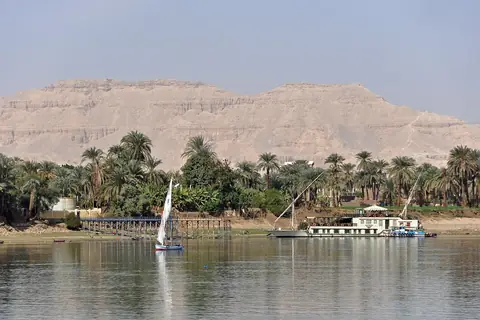
Where to stay in Egypt
Which area of Cairo, Giza, Luxor, Aswan, Hurghada and Alexandria to sleep in, how many nights each needs, and three hotels in each with their rates.
Read the guide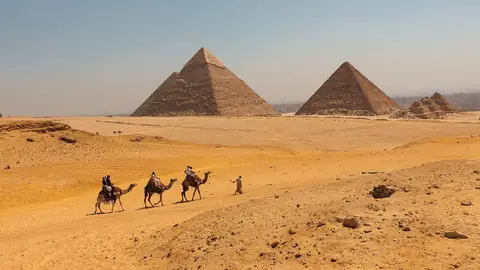
First trip to Egypt
Choose seven days or ten for Cairo, Giza, Luxor and Aswan: nights in each, the train or a Nile cruise, the season, the visa and what to book first.
Read the guide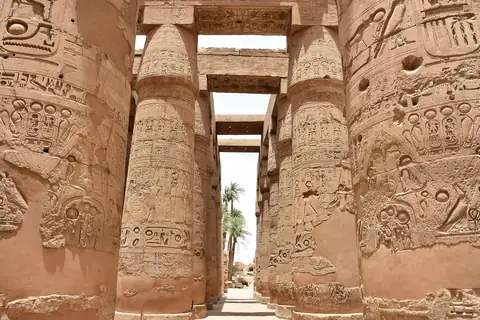
Egypt in 7 days
Seven days, two nights each at Giza, Luxor and Aswan: the Pyramids and the Grand Egyptian Museum, Karnak, the Valley of the Kings, Philae and the cost for two.
Read the guideSources and checks before you travel
(30)
- Ministry of Tourism and Antiquities: Valley of the Kings ↗ — opens in a new tab
- Ministry of Tourism and Antiquities: Karnak ↗ — opens in a new tab
- Ministry of Tourism and Antiquities: Luxor Temple ↗ — opens in a new tab
- Ministry of Tourism and Antiquities: Hatshepsut Temple ↗ — opens in a new tab
- Ministry of Tourism and Antiquities: Temple of Medinet Habu ↗ — opens in a new tab
- Ministry of Tourism and Antiquities: Tomb of Tutankhamun ↗ — opens in a new tab
- Ministry of Tourism and Antiquities: Tomb of Sety I (KV17) ↗ — opens in a new tab
- Ministry of Tourism and Antiquities: Tomb of Ramesses VI (KV9) ↗ — opens in a new tab
- Ministry of Tourism and Antiquities: Mummification Museum ↗ — opens in a new tab
- Ministry of Tourism and Antiquities: ticket prices for archaeological sites and museums (PDF, November 2024) ↗ — opens in a new tab
- Ministry of Tourism and Antiquities: Cairo Pass and Luxor Pass permits (PDF) ↗ — opens in a new tab
- Ministry of Tourism and Antiquities: Ramesseum ↗ — opens in a new tab
- Egymonuments: the ministry's online ticket platform ↗ — opens in a new tab
- WMO World Weather Information Service: Luxor (Egyptian Meteorological Authority) ↗ — opens in a new tab
- Abela Egypt: sleeping-train timetable ↗ — opens in a new tab
- UK Foreign Office: Egypt travel advice ↗ — opens in a new tab
- UK Foreign Office: Egypt safety and security ↗ — opens in a new tab
- Hod-Hod Soliman Hot Air Balloons ↗ — opens in a new tab
- Nefertiti Hotel ↗ — opens in a new tab
- Al-Sahaby Lane Restaurant (Nefertiti Hotel): menu ↗ — opens in a new tab
- OpenStreetMap: Luxor Temple, Karnak, Luxor station, Luxor Bridge and Luxor International Airport ↗ — opens in a new tab
- Seat61 (independent rail guide): Abela sleeper train fares ↗ — opens in a new tab
- Seat61 (independent rail guide): train travel in Egypt ↗ — opens in a new tab
- Luxor and Aswan Travel: hot-air balloon ride over Luxor ↗ — opens in a new tab
- Luxor and Aswan Travel: private tour to the West Bank ↗ — opens in a new tab
- Experience Egypt (Egyptian Tourism Authority): Luxor ↗ — opens in a new tab
- Abela Trains: online booking search (trip availability data) ↗ — opens in a new tab
- Ministry of Tourism and Antiquities: anniversary of the discovery of Queen Nefertari's tomb ↗ — opens in a new tab
- EgyMonuments (official ticket platform): Valley of the Kings ↗ — opens in a new tab
- EgyMonuments (official ticket platform): Karnak Temple ↗ — opens in a new tab
Reference sources for the version dated 29 November 2026. Confirm opening times, access, transport and conditions for your travel dates.
Photo credits
(7)
The pylon of Ramesses II at Luxor Temple, with the obelisk whose twin stands in Paris
Photograph: Ad Meskens — opens in a new tab · CC BY-SA 3.0 — opens in a new tab
Changes: Resized and converted to WebP; displayed with responsive crops. · Original photograph and licence details ↗ — opens in a new tab
Columns of the Great Hypostyle Hall at Karnak
Photograph: Tsyganov Sergey — opens in a new tab · CC0 — opens in a new tab
Changes: Resized and converted to WebP; displayed with responsive crops. · Original photograph and licence details ↗ — opens in a new tab
The road into the Valley of the Kings under the peak sacred to Hathor
Photograph: Marc Ryckaert — opens in a new tab · CC BY-SA 4.0 — opens in a new tab
Changes: Resized and converted to WebP; displayed with responsive crops. · Original photograph and licence details ↗ — opens in a new tab
Hatshepsut's terraced temple at Deir al-Bahari
Photograph: Vyacheslav Argenberg — opens in a new tab · CC BY 4.0 — opens in a new tab
Changes: Resized and converted to WebP; displayed with responsive crops. · Original photograph and licence details ↗ — opens in a new tab
The Colossi of Memnon on the road to the west-bank temples
Photograph: Marc Ryckaert ( MJJR ) — opens in a new tab · CC BY 3.0 — opens in a new tab
Changes: Resized and converted to WebP; displayed with responsive crops. · Original photograph and licence details ↗ — opens in a new tab
Balloons over the fields of the west bank in the early morning
Photograph: Heksamarre — opens in a new tab · CC BY-SA 4.0 — opens in a new tab
Changes: Resized and converted to WebP; displayed with responsive crops. · Original photograph and licence details ↗ — opens in a new tab
Yuki Ikemori with arms spread in front of a colossal stone head at Luxor Temple
Photo: Yuki Ikemori