Plan your trip
First trip to the UAE: a week or ten days across the emirates
A first trip to the United Arab Emirates comes down to how many emirates you want to sleep in. Dubai and Abu Dhabi, with Sharjah as a day out, fit into a week; the mountains of Ras Al Khaimah and the oasis town of Al Ain make it ten days. Distances are short, buses link every stop on both routes, and the decisions that matter are the season, the nights in each city and a few rules on medicines, dress and alcohol that differ from home.
In this guide
Find the location ↗ — opens in a new tabThe short answer
For a week, spend six nights (Dubai 4, with a day trip to Sharjah, then Abu Dhabi 2); for ten days, spend nine (Dubai 4, Ras Al Khaimah 2, Abu Dhabi 2, Al Ain 1), between October and March. Book your flights and first-night hotel first. Then book the online access pass for the Sheikh Zayed Grand Mosque, an evening desert safari with an operator approved by the Dubai Desert Conservation Reserve, and, if you take a controlled medicine, the free online approval to bring it in, which takes about one working day. The mosque costs AED 10 for visitors from outside the UAE, and the E101 bus from Dubai to Abu Dhabi costs AED 25.
- Key point
- 7 days / 6 nights (Dubai 4, Abu Dhabi 2) or 10 days / 9 nights (Dubai 4, Ras Al Khaimah 2, Abu Dhabi 2, Al Ain 1)
- Where it applies
- Dubai and Abu Dhabi, with Ras Al Khaimah and Al Ain added for ten days and Sharjah as a day trip from Dubai
- Timing
- November to March; October and April are warm, and May to September is summer
Seven days or ten: what each length buys
Both routes start in Dubai, the main gateway, and end in Abu Dhabi or Al Ain. The question is whether the mountains of Ras Al Khaimah and the oases of Al Ain are worth three more nights. The route map shows the ten-day route; the seven-day route leaves out Ras Al Khaimah and Al Ain and goes straight from Dubai to Abu Dhabi.
- 7 days / 6 nights: Dubai 4, Abu Dhabi 2. The seven-day itinerary gives you the creek and the souks, Downtown and the beach, a day trip to Sharjah's museums, then the Grand Mosque and the Louvre in Abu Dhabi. Fly home from Abu Dhabi (AUH), or ride back to Dubai for a flight from DXB.
- 10 days / 9 nights: Dubai 4, Ras Al Khaimah 2, Abu Dhabi 2, Al Ain 1. The ten-day itinerary adds Jebel Jais, the country's highest peak, and the coast in Ras Al Khaimah, then ends among the oases and ancient tombs of Al Ain. Choose it if you want the mountains and the oases as well as the two big cities.
- Under a week: stay in Dubai and take Sharjah and Abu Dhabi as day trips, or split four or five nights between Dubai and Abu Dhabi.
The emirates in the order you meet them
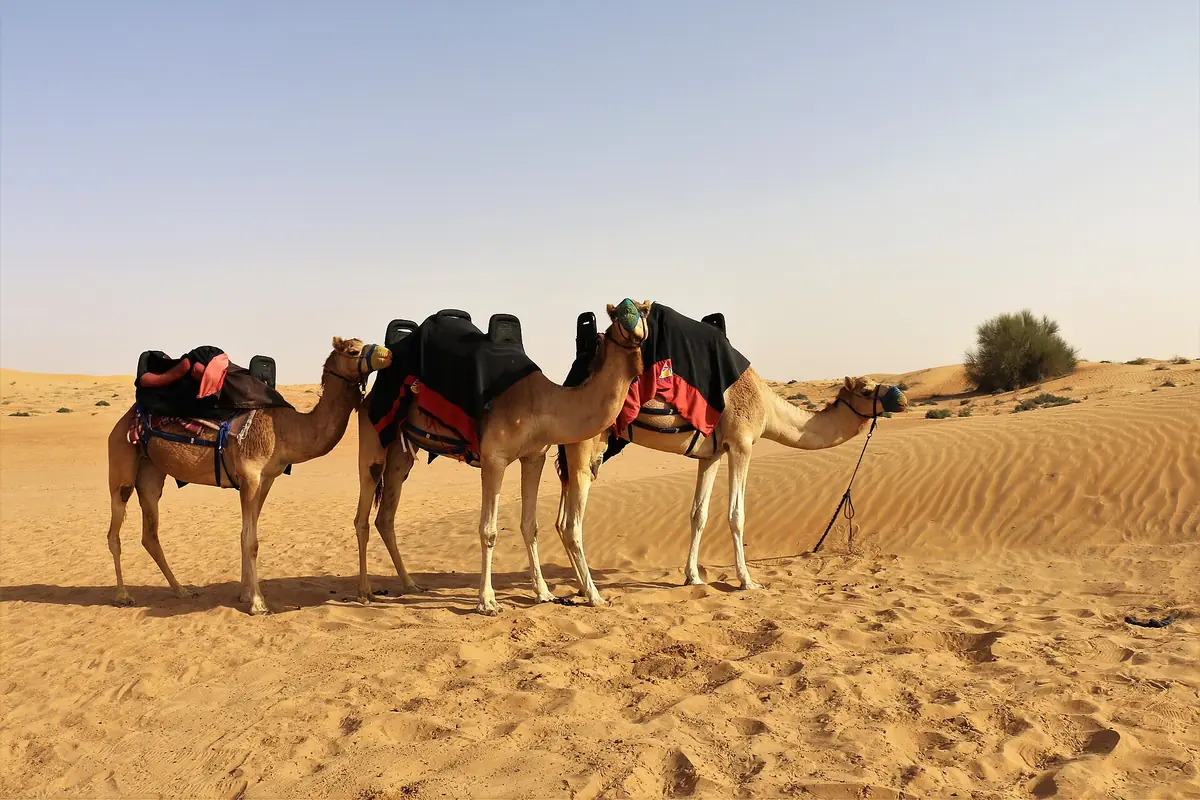
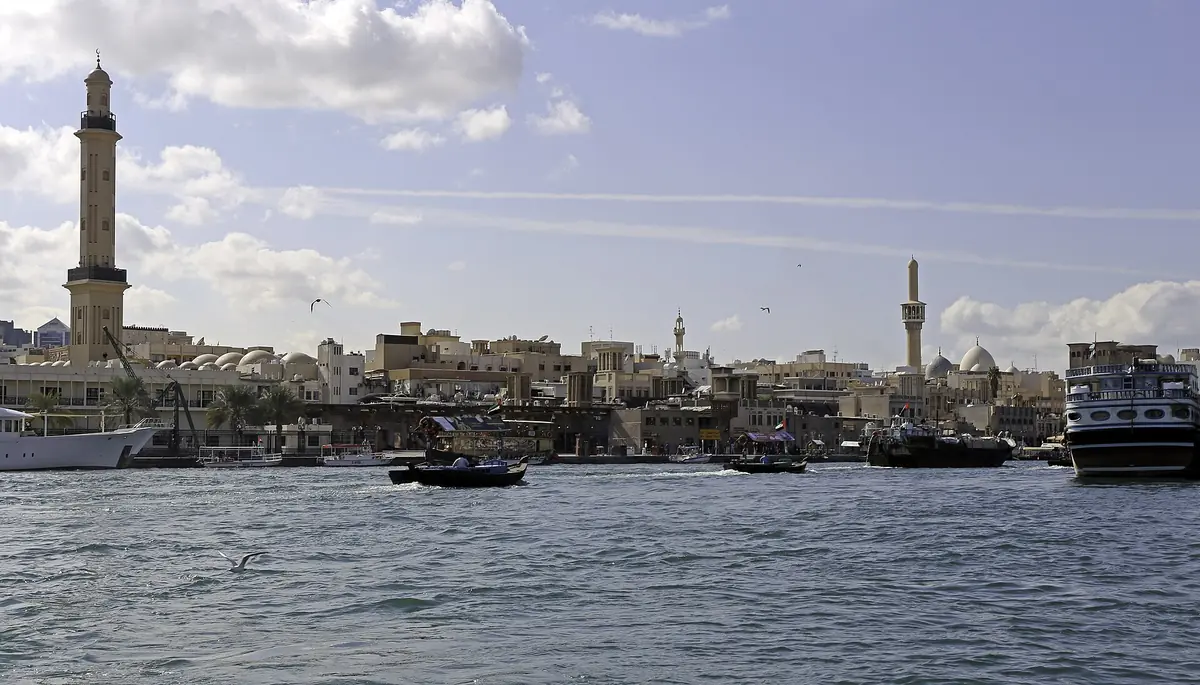
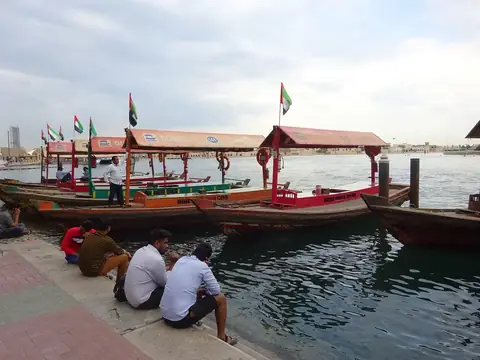
Dubai is the arrival city and the longest stay. Wooden abras cross the creek from Bur Dubai to the souks of Deira for AED 1. At The Top, Burj Khalifa, the observation decks on levels 124 and 125 start from AED 199. The dunes of the Dubai Desert Conservation Reserve, the UAE's first national park, make the evening trip into the desert.
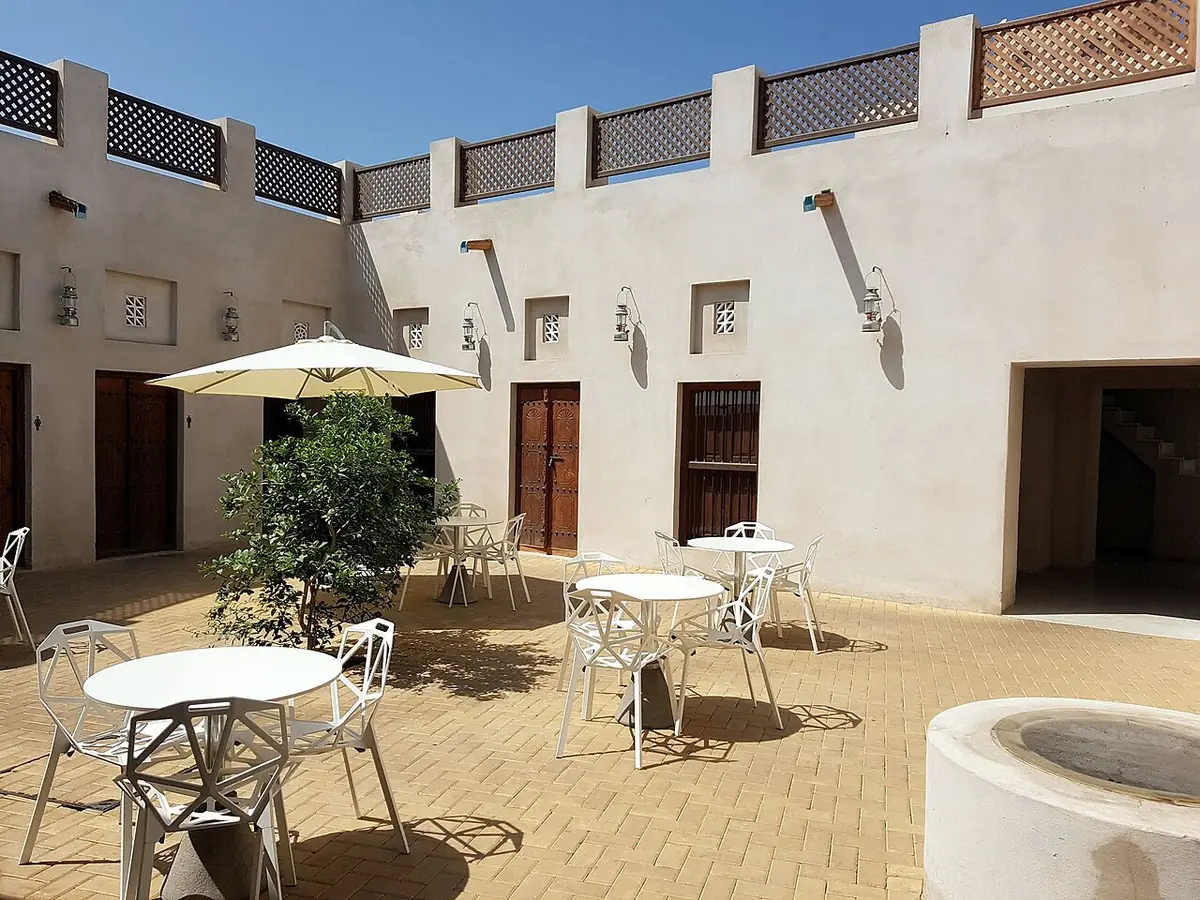
Sharjah is next door, and the day trip is about museums and the Heart of Sharjah old town. The Sharjah Museum of Islamic Civilization, on the Al Majarrah waterfront in the Heart of Sharjah, shows more than five thousand pieces from across the Islamic world in galleries arranged by period. Drinking or carrying alcohol is illegal in the emirate, so leave any duty-free bottles in your Dubai room.
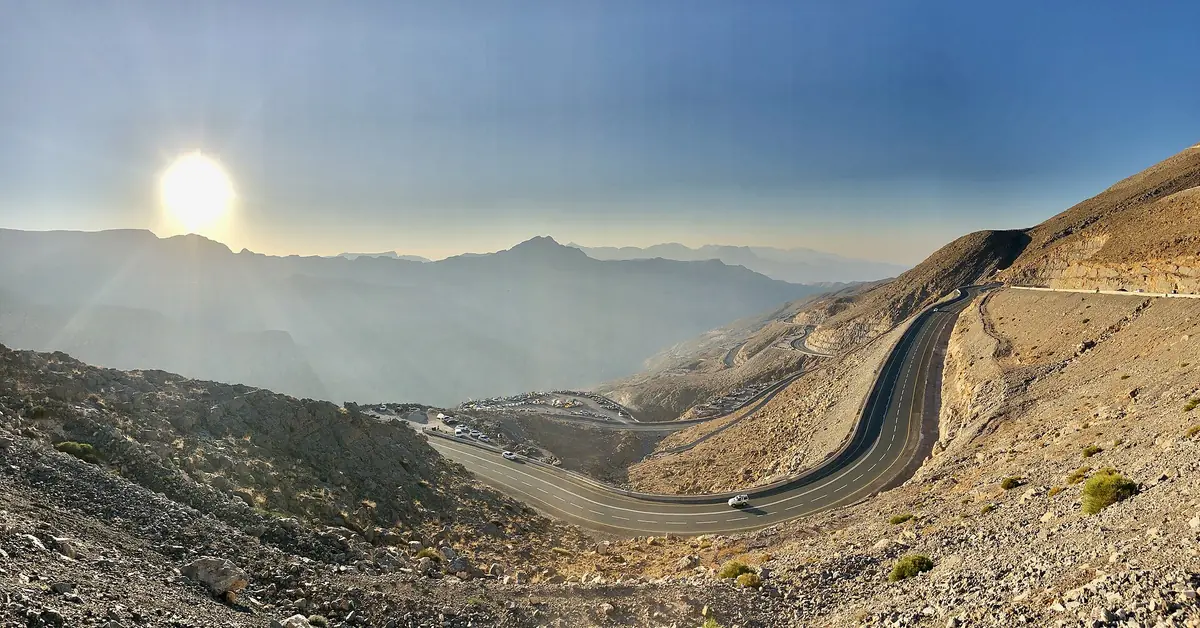
Ras Al Khaimah, in the far north, has 68 km of sandy Gulf coast and the Hajar Mountains behind it. Jebel Jais rises to 1,934 metres and is the highest peak in the UAE. The mountain is usually 10°C cooler than other parts of the emirate, so a winter morning up there needs a jacket.
Abu Dhabi is the capital. The white-marble Sheikh Zayed Grand Mosque, begun in 1996 and opened for worship in 2007, is the visit to plan the day around; book its online access pass and go in the late afternoon to stay until after sunset. Entry costs AED 10 for visitors from outside the UAE. From Saturday to Thursday the mosque is open from 09:00 to 20:30. On Fridays it opens 09:00–11:30 and 14:30–20:30, and Ramadan has its own hours. The Louvre Abu Dhabi on Saadiyat Island is the other visit: under Jean Nouvel's dome, 180 metres wide, ancient and contemporary works from many cultures sit side by side, with loans from the Musée du Louvre, the Musée d'Orsay and the Centre Pompidou. At the Louvre, under-18s enter free; adults should book a ticket on louvreabudhabi.ae and check the price there. The Louvre is closed on Mondays. On the other days it opens at 10:00. The museum gives the galleries' closing time as 18:30 from Tuesday to Thursday and 20:30 from Friday to Sunday, and the dome stays open until midnight. Some official listings still show later hours, so check the time for your date on louvreabudhabi.ae.
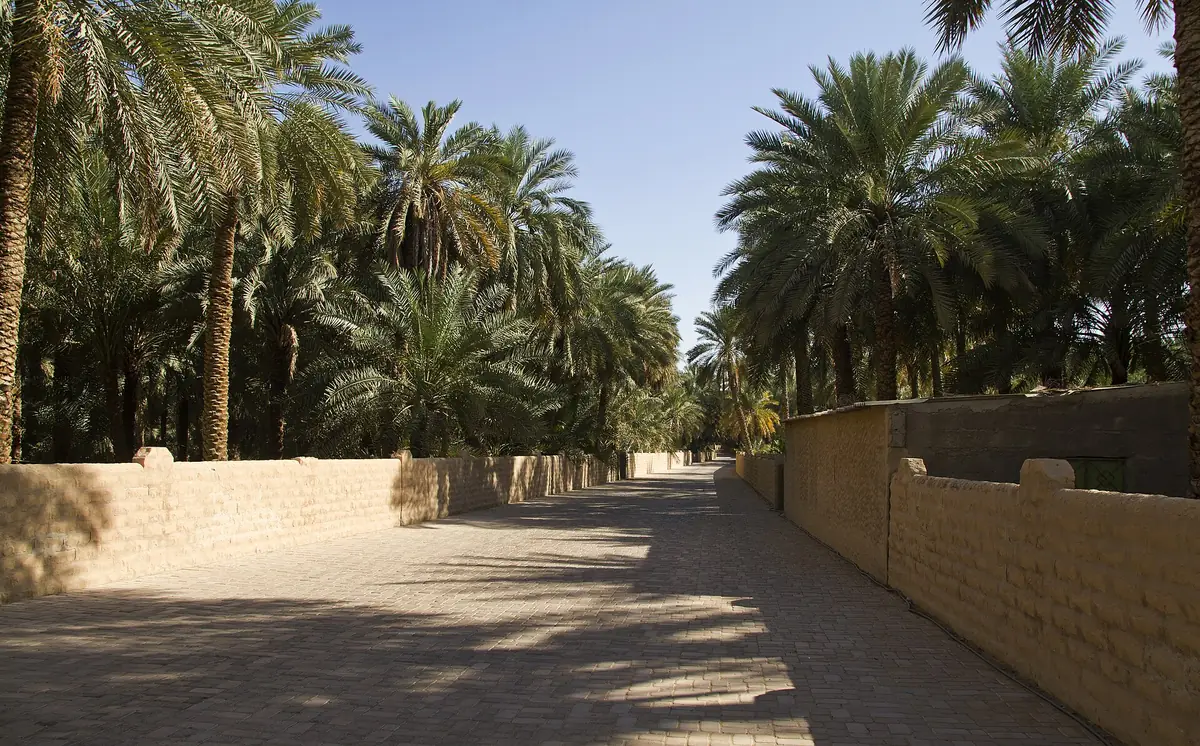
Al Ain, inland, is the green one. Its oases are watered by the falaj, channels that carry water from the mountains by gravity; in Al Ain Oasis the falaj has run for around 3,000 years. The UNESCO listing of 2011 also covers the Bronze Age Grand Tomb at Hili and about 500 beehive tombs on Jebel Hafit, about 5,000 years old.
Prices and times checked 29 November 2026
Airports, the metro and the buses between emirates
The two main international airports are Dubai International (DXB) and Zayed International in Abu Dhabi (AUH). At DXB, the metro's Red Line stops at Terminals 1 and 3 and runs Monday to Thursday and Saturday 05:00–00:00, Friday 05:00–01:00 and Sunday 08:00–00:00. Buy a nol card at the terminal: with a Silver card a ride costs AED 3 within one zone, AED 5 across two and AED 7.50 across more. The transport guide covers taxis, ride-hailing apps and hiring a car.
Intercity buses connect every stop on both routes. Dubai's RTA runs route E101 from Ibn Battuta bus station to Abu Dhabi Main Bus Station for AED 25 in about 1 hour 45 minutes, with tickets sold online as well as at the station. From Dubai's Union bus station, the Ras Al Khaimah buses run daily from 07:30 to 23:30 for AED 30 and take about two to two and a half hours; the return from Ras Al Khaimah is AED 27, and the Ras Al Khaimah–Abu Dhabi bus costs AED 50 and takes about 2.5 to 3 hours. From Abu Dhabi, the hourly Capital Express bus to Al Ain, about 160 km away, costs AED 30, and Abu Dhabi Mobility's timetable allows 2 hours 5 minutes to 2 hours 45 minutes. To end the ten-day route, E201 runs from Al Ain Main Bus Station to Al Ghubaiba in Dubai for AED 25 in about 2 hours 15 minutes, and the metro takes you on to DXB.
Etihad Rail passenger trains have run between Abu Dhabi and Fujairah since 30 June 2026 and to Dubai since 30 September 2026. Abu Dhabi to Dubai takes about 57 minutes, but the Abu Dhabi station is in Mohammed Bin Zayed City, opposite Dalma Mall and next to the Musaffah bus station, so add the transfer at that end. Fares start from AED 39 in Comfort Class and AED 109 in Premium Class.
In Dubai, licensed taxis are cream with coloured roofs, and those with pink roofs have women drivers; in Abu Dhabi they are silver. Careem, Uber and Abu Dhabi Taxi are the apps the UK government names as recognised alternatives.
Prices and times checked 28 November 2026
Add days for Hatta, the east coast or Liwa
Three side trips fit around either route. Hatta, in the Hajar Mountains, is a day out from Dubai or one night. The east coast around Fujairah faces the Gulf of Oman and suits two nights on the beach.
Liwa, the dunes on the edge of the Empty Quarter south-west of Abu Dhabi, is a desert night that needs a car or a tour.
Choose the season
The cool season decides most trips. Go between November and March, when Dubai's average highs run from 24°C in January to 30.5°C in November; Abu Dhabi's tourism department names December the best month, and most of the year's rain falls between January and March. October and April are already hot at midday, with average highs of 35.1°C and 32.4°C. Summers are extremely hot and humid: Dubai's average highs reach 38.8°C to 40.6°C from June to September, and nights stay at about 29°C in July and August. From 15 June to 15 September, outdoor work stops by law between 12:30 and 15:00, which shows how hard the middle of the day is. In summer plan sights for the early morning and the evening, and spend the afternoon in museums, malls or the sea.
Ramadan follows the lunar calendar and starts earlier each year. In 2027 it is expected to begin on or around 8 February, and Eid al-Fitr is expected around 9 March. Eating, drinking or chewing gum in public in daytime may cause offence during the month, and opening hours change. The best-time guide goes month by month, and the festivals guide lists the holidays and events that move prices.
Prices and times checked 28 November 2026
What a first trip costs
Rooms decide most of the budget. The trip-cost guide prices the seven-day route all in, for two people sharing a room: from about AED 260 per person a day on a budget, AED 420 mid-range and AED 870 in comfort. That covers rooms, meals, transport, the main tickets and a 10% buffer, but not the flight. The only extras are the Louvre Abu Dhabi, whose adult tickets you book on louvreabudhabi.ae, and the evening desert safari, which starts from AED 795 per adult with Platinum Heritage, one of the operators the conservation reserve approves. The fixed costs on the ground are small by comparison: metro rides of AED 3–7.50, the E101 bus between Dubai and Abu Dhabi at AED 25 each way and AED 10 for the Grand Mosque.
One cost catches first-time visitors: healthcare. Private hospitals are well equipped but expensive. Emergency departments must treat you whatever your cover. For other care, without insurance or the means to pay, you may be stopped from using them, and you may be prevented from leaving the country with an unpaid medical bill. Travel insurance therefore belongs in the budget.
Prices and times checked 29 November 2026
Entry, medicines and what not to pack
British citizens get a free visitor visa stamped on arrival, valid for up to 90 days within 180 days, and need a passport valid for at least six months from the date they arrive. Rules differ by nationality: the entry guide lists them.
Medicines are the rule to deal with before you fly. Some medicines prescribed or sold over the counter at home are controlled in the UAE. Visitors may bring them for up to three months' treatment, with the prescription and a medical report stamped by the clinic that treats them. The UAE's drug authority calls advance approval optional for visitors, but the UK says to get it, so apply online: it is free and takes about one working day.
Do not pack pork products, CBD oil or e-cigarette refills that contain CBD. Possessing even residual amounts of illegal drugs carries a minimum three-month prison term or a fine of AED 20,000 to 100,000, and drugs found in the bloodstream count as possession.
Prices and times checked 29 November 2026
Dress, photos and alcohol
In malls and other public places, women are advised to cover shoulders and knees, and swimwear belongs on the beach or by the pool. The Grand Mosque asks more: everyone wears long, loose, ankle-length clothes, and women wear a headscarf. The mosque no longer lends abayas; one costs AED 45 at Souq Al Jami next door.
Ask before you photograph anyone; men have been arrested for photographing women on beaches. Swearing and rude gestures, online too, are criminal offences, and kissing in public can lead to arrest.
Outside Sharjah, the drinking age is 21. Visitors do not need an alcohol licence to drink in licensed hotels, restaurants and bars. Drinking in public or being drunk in a public place is illegal everywhere in the UAE.
Prices and times checked 28 November 2026
The regional advisory and your flights
Since the regional conflict that began in early 2026, governments' advice ranges from Germany's advice against non-essential travel to the UAE to the UK's warning that airports and airspace can close at short notice. Book flights and rooms you can change, and before you book read your own government's advice and our health and safety guide, which sets out each government's areas and the rest of the advice, from heat to rip currents.
Prices and times checked 28 November 2026
Practical questions
Is a week enough for a first visit to the UAE?
Yes for Dubai, Sharjah as a day trip and Abu Dhabi, as in the seven-day itinerary. The mountains of Ras Al Khaimah and the oases of Al Ain need the ten-day route.
Do I need a visa for the UAE?
Not in advance with a British passport: you get a free visitor visa on arrival for up to 90 days within 180 days. Other nationalities are in the entry guide.
Can I bring my prescription medicines?
Up to six months' supply of ordinary prescription medicines, and three months' of controlled ones. For controlled medicines, carry the prescription and a medical report stamped by your clinic. Advance approval is optional for visitors, free and takes about one working day, and the UK advises getting it.
Can I drink alcohol in the UAE?
In licensed venues such as hotel bars and restaurants from age 21, except in Sharjah, where drinking and carrying alcohol are illegal. Drinking in public is illegal everywhere.
When is the best time to go?
November to March, with December the best month; October and April are warm. Summer, from May to September, is the hard season, with average Dubai highs of 38.8°C to 40.6°C from June to September; the best-time guide goes month by month.
How do I get from Dubai to Abu Dhabi without a car?
By Etihad Rail, about 57 minutes to the station in Mohammed Bin Zayed City, or by RTA bus E101 from Ibn Battuta bus station to Abu Dhabi Main Bus Station, AED 25 in about 1 hour 45 minutes; bus tickets are sold online and at the station.
Keep planning your trip
UAE in seven days
A seven-day UAE route with four nights in old Dubai, a Sharjah day trip and two nights in Abu Dhabi by bus, with the Grand Mosque, the Louvre and the costs.
Read the guide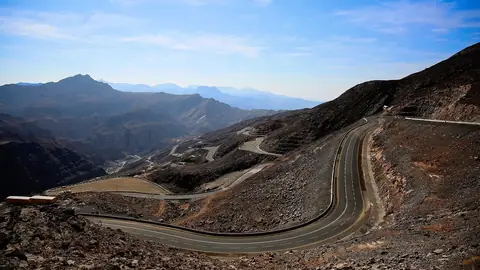
UAE in ten days
A ten-day UAE route by bus: four nights in Dubai, two in Ras Al Khaimah for Jebel Jais, two in Abu Dhabi and one in the oasis city of Al Ain.
Read the guide
Entering the UAE
Which passports get a free UAE visa on arrival and for how long, the six-month passport rule, the AED 60,000 cash limit, duty-free limits and medicine permits.
Read the guide
Transport in the UAE
The Dubai Metro and nol cards, the new Etihad Rail trains, the AED 25 buses between Dubai and Abu Dhabi, airport taxis, and what to know before you hire a car in the UAE.
Read the guide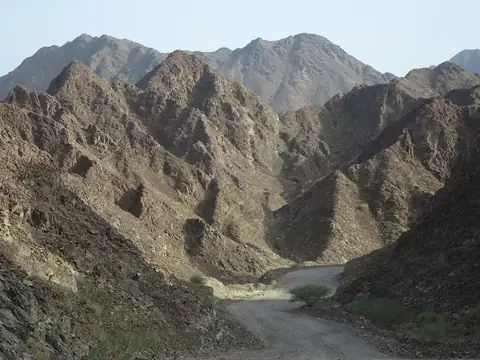
Best time to visit the UAE
Choose your UAE dates by month: Dubai's average highs, the cool months from November to March, summer heat, Ramadan and the Eids in 2027, school breaks and the mountains.
Read the guide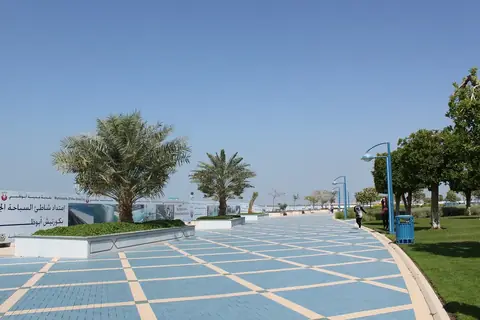
UAE trip cost
Seven days in Dubai, Sharjah and Abu Dhabi, all in: from about AED 1,840 per person on a budget, 2,910 mid-range or 6,060 in comfort, before the flight.
Read the guideSources and checks before you travel
(45)
- UK FCDO: UAE entry requirements ↗ — opens in a new tab
- UK FCDO: UAE safety and security ↗ — opens in a new tab
- UK FCDO: UAE warnings and insurance ↗ — opens in a new tab
- UK FCDO: UAE health ↗ — opens in a new tab
- Dubai Airports: Dubai Metro at DXB ↗ — opens in a new tab
- RTA: nol fares ↗ — opens in a new tab
- RTA: intercity bus e-tickets ↗ — opens in a new tab
- Etihad Rail: UAE President travels aboard Etihad Rail from Abu Dhabi to Dubai ↗ — opens in a new tab
- Visit Abu Dhabi (DCT): Etihad Rail ↗ — opens in a new tab
- Abu Dhabi Mobility: inter-emirate services ↗ — opens in a new tab
- Sheikh Zayed Grand Mosque Centre: FAQs ↗ — opens in a new tab
- Sheikh Zayed Grand Mosque Centre: visiting hours ↗ — opens in a new tab
- The National: Sheikh Zayed Grand Mosque introduces entry fee (17 September 2026) ↗ — opens in a new tab
- Sharjah Museums Authority: Sharjah Museum of Islamic Civilization ↗ — opens in a new tab
- Visit Ras Al Khaimah: Jebel Jais ↗ — opens in a new tab
- Visit Ras Al Khaimah: geography ↗ — opens in a new tab
- Visit Abu Dhabi (DCT): the best time to travel to Abu Dhabi ↗ — opens in a new tab
- Visit Abu Dhabi (DCT): weather in Abu Dhabi ↗ — opens in a new tab
- Dubai Government Media Office: geographic location and climate ↗ — opens in a new tab
- MOHRE: the midday break ↗ — opens in a new tab
- Diyanet (Turkey): 2027 religious days ↗ — opens in a new tab
- RAKTA: public transport (intercity buses) ↗ — opens in a new tab
- Sheikh Zayed Grand Mosque Centre: the mosque and the founder ↗ — opens in a new tab
- Sheikh Zayed Grand Mosque Centre: visitor FAQs ↗ — opens in a new tab
- Abu Dhabi Department of Culture and Tourism: Louvre Abu Dhabi ↗ — opens in a new tab
- Experience Abu Dhabi: Louvre Abu Dhabi ↗ — opens in a new tab
- Experience Abu Dhabi: the ancient world of Al Ain ↗ — opens in a new tab
- Dubai Media Office: UAE President takes Etihad Rail to Dubai (28 September 2026) ↗ — opens in a new tab
- Etihad Rail: first paying passengers (30 June 2026) ↗ — opens in a new tab
- Government of Canada: United Arab Emirates travel advice ↗ — opens in a new tab
- Auswärtiges Amt: Vereinigte Arabische Emirate, Reise- und Sicherheitshinweise ↗ — opens in a new tab
- RTA Wojhati: journey planner (intercity buses) ↗ — opens in a new tab
- Abu Dhabi Mobility: inter-city services ↗ — opens in a new tab
- Roads and Transport Authority: marine transport ↗ — opens in a new tab
- Emaar: At The Top, Burj Khalifa ↗ — opens in a new tab
- Dubai Desert Conservation Reserve: what to do ↗ — opens in a new tab
- WMO World Weather Information Service: Dubai climate (data from the National Center of Meteorology) ↗ — opens in a new tab
- Platinum Heritage: Heritage Desert Safari ↗ — opens in a new tab
- Visit Ras Al Khaimah: travel information ↗ — opens in a new tab
- Abu Dhabi Mobility: Capital Express timetable (PDF) ↗ — opens in a new tab
- Emirates Drug Establishment: permit to import medicines for personal use ↗ — opens in a new tab
- Dubai Health Authority: Standards for Urgent Care and Emergency Department Services (2022) ↗ — opens in a new tab
- Department of Health Abu Dhabi: all patients to receive emergency care regardless of insurance status (11 December 2019) ↗ — opens in a new tab
- MOHAP: Issue of Permit to Import Medicines for Personal Use (service card, PDF) ↗ — opens in a new tab
- Louvre Abu Dhabi: visit us ↗ — opens in a new tab
Reference sources for the version dated 29 November 2026. Confirm opening times, access, transport and conditions for your travel dates.
Photo credits
(5)
Camels saddled for a ride in the desert outside Dubai
Photograph: Clémence Jacqueri — opens in a new tab · CC BY-SA 4.0 — opens in a new tab
Changes: Resized and converted to WebP; displayed with responsive crops. · Original photograph and licence details ↗ — opens in a new tab
A courtyard of a traditional coral-stone house in the Heart of Sharjah
Photograph: Alexandermcnabb — opens in a new tab · CC BY-SA 4.0 — opens in a new tab
Changes: Resized and converted to WebP; displayed with responsive crops. · Original photograph and licence details ↗ — opens in a new tab
Early morning on the Jebel Jais road in Ras Al Khaimah
Photograph: Clintonrebeiro — opens in a new tab · CC BY-SA 4.0 — opens in a new tab
Changes: Resized and converted to WebP; displayed with responsive crops. · Original photograph and licence details ↗ — opens in a new tab
Dubai Creek and its abras, with the old town on the bank
Photograph: Vincent Eisfeld — opens in a new tab · CC BY-SA 4.0 — opens in a new tab
Changes: Resized and converted to WebP; displayed with responsive crops. · Original photograph and licence details ↗ — opens in a new tab
A lane through the palm groves of Al Ain Oasis
Photograph: trolvag — opens in a new tab · CC BY-SA 3.0 — opens in a new tab
Changes: Resized and converted to WebP; displayed with responsive crops. · Original photograph and licence details ↗ — opens in a new tab