Plan your trip
Best time to visit the UAE: heat, Ramadan and school holidays by month
In the UAE the weather question is about heat, not rain, and the calendar question comes down to Ramadan, the two Eids and the school breaks. This guide rates each month for a seven-day trip to Dubai and Abu Dhabi or the ten-day route that adds Ras Al Khaimah and Al Ain, and says what each season means on the beach, in the cities and in the mountains.
In this guide
Find the location ↗ — opens in a new tabThe short answer
Go between November and March, when Dubai's average highs run from 24°C in January to 30.5°C in November; Abu Dhabi's tourism department names December the best month. Book six nights (Dubai 4, Abu Dhabi 2), or nine with Ras Al Khaimah and Al Ain added, and book flights and rooms first around National Day, New Year and the Eids. October and April are already hot at midday, with average highs of 35.1°C and 32.4°C. Avoid May to September: Dubai's average highs reach 38.8°C to 40.6°C from June to September, and from 15 June to 15 September outdoor work stops by law from 12:30 to 15:00. Ramadan 2027 is expected to begin on or around 8 February. The Grand Mosque costs AED 10 for visitors from outside the UAE, and the Dubai–Ras Al Khaimah bus costs AED 30.
- Key point
- 7 days to 10 days across the emirates
- Where it applies
- Dubai and Abu Dhabi, with Ras Al Khaimah and Al Ain on the ten-day route
- Timing
- November to March is the cool season, with December the best month; October and April are warm, with Dubai highs of 35.1°C and 32.4°C on average; May to September is summer, with the legal midday break for outdoor work from 15 June to 15 September.
November to March: the cool season, and the warm edges
Abu Dhabi's tourism department calls October to March the fall and winter season, with temperatures from 18°C to 28°C, and names December the best month; beaches, desert trips and mountain days are at their best in winter. The National Center of Meteorology's long-term averages for Dubai show the months more exactly: average highs of 24°C in January, 24.6°C in February, 27.9°C in March, 30.5°C in November and 26.2°C in December, with nights between 13.7°C and 18.3°C. October, at 35.1°C, and April, at 32.4°C, are beach weather but hot for walking at midday. Pack a light layer for winter evenings and the desert. Most of the year's rain falls between January and March.
The north is a little cooler. In Ras Al Khaimah, January days run from 18°C to 25°C and the sea is about 19°C. Up to 12 mm of rain falls in December and January. On Jebel Jais, the summit at 1,934 metres is usually about 10°C cooler than the rest of the emirate, so a winter morning up there needs a warm jacket. Heavy rain is rare, but from December to March it can cause flash floods in dry riverbeds and canyons, so check the forecast before a wadi day at Hatta or the drive up Jebel Jais. Winter fog can also slow early-morning roads and flights.
Book early for the event weeks, when rooms go first: the Abu Dhabi Grand Prix weekend on Yas Island in December, National Day, Christmas to New Year and the Eid holidays. Abu Dhabi's tourism department expects April and May to be slightly cheaper than other months, and in July and August Dubai Summer Surprises brings hotel and attraction offers. The festivals and events guide has the event dates.
Prices and times checked 28 November 2026
May to September: the hot months
Summers are extremely hot and humid. In Dubai, average highs climb from 36.8°C in May to 40.6°C in July, and nights stay at about 29°C in July and August; Abu Dhabi's daytime temperatures reach around 45°C with humidity of 80–90%. In Ras Al Khaimah summer days run from 29°C to 43°C, often reaching 45°C, and the sea warms to about 34°C in July. No rain falls there from May to July. Sand and dust storms can blow up at any time of year, most often in summer; they cut visibility on the roads and can affect flights.
From 15 June to 15 September, the government's midday break stops outdoor work between 12:30 and 15:00. Plan your days the same way. Walk the souks and the corniches in the early morning or after sunset, and spend the hours in between in museums, malls and the hotel pool.
A short city stay still works in summer if you build it around indoor sights. In Abu Dhabi, Qasr Al Watan, the presidential palace, costs AED 65 for adults. The Louvre Abu Dhabi is closed on Mondays; under-18s enter free, and adults should book a ticket on louvreabudhabi.ae and check the price there. In Dubai, Al Shindagha Museum on the creek opens daily from 10:00 to 20:00, with last entry at 19:00, and entry to two of its houses costs AED 15 for adults. The Grand Mosque is open from Saturday to Thursday from 09:00 to 20:30, and on Fridays from 09:00 to 11:30 and 14:30 to 20:30; come in the late afternoon and stay for sunset. Global Village closes for the summer in May. Save mountain walks and long days on foot for the cool season.
Prices and times checked 28 November 2026
Ramadan and the Eids in 2027
Ramadan follows the lunar calendar, so it starts earlier each year. In 2027 it is expected to begin on or around 8 February, with Eid al-Fitr on about 9 March and Eid al-Adha on about 16 May. The UAE announces the exact holiday days a few weeks ahead. For schools on the Ministry of Education's calendar, the Eid al-Fitr holiday is 8–12 March 2027 and the Eid al-Adha holiday 15–18 May 2027; the public holidays are in the festivals and events guide.
During Ramadan the days change. In daytime, eating, drinking, smoking or chewing gum in public may cause offence. Dress codes matter more, and shop and restaurant opening hours may change. Hotels and restaurants that serve food during fasting hours may screen you from fasting guests. The Grand Mosque keeps separate Ramadan visiting hours. Traffic can be erratic at dusk, when people hurry home to break the fast.
Prices and times checked 28 November 2026
School holidays and public holidays
Under the Ministry of Education's 2026–27 calendar, schools following its curriculum take a mid-term break on 12–16 October 2026, a winter break from 14 December 2026 to 1 January 2027 and a spring break on 5–9 April 2027; the last day of the year for students is 2 July 2027. Schools on other curricula set their own dates.
National Day, Eid Al Etihad, falls on 2 December. In 2026 the public holiday for the private sector is 2 and 3 December, and schools on the Ministry's calendar close on 2–4 December. The festivals and events guide lists the holidays and events that change prices and opening hours.
Prices and times checked 28 November 2026
Month by month
January (best): the coolest month, with Dubai highs of 24°C and nights of 13.7°C; the school winter break ends on 1 January, and a rainy day is possible.
February (good): Dubai highs of 24.6°C and the wettest month in Dubai, with Ramadan expected to begin on or around 8 February 2027.
March (good): highs of 27.9°C; Ramadan ends with Eid al-Fitr around 9 March 2027, and the school Eid holiday runs 8–12 March.
April (good): warm, with Dubai highs of 32.4°C, and likely a little cheaper; the school spring break is 5–9 April 2027.
May (hard): summer begins, with highs of 36.8°C; Global Village closes for the summer, and Eid al-Adha falls around 16 May 2027.
June (hard): highs of 38.8°C, and the midday break for outdoor work begins on 15 June; dust storms are most likely in summer.
July (hard): the hottest month, at 40.6°C, with the sea off Ras Al Khaimah at about 34°C; Dubai Summer Surprises starts at the beginning of July, and schools close for summer after 2 July.
August (hard): highs of 40.4°C and nights of 29.3°C; Dubai Summer Surprises runs to the end of the month, so look for hotel offers and plan days around indoor sights.
September (hard): highs of 38.7°C; the midday break runs until 15 September, and nights stay above 26°C.
October (good): beach weather, with highs of 35.1°C, but hot at midday; Global Village opens its season, and the school mid-term break is 12–16 October 2026.
November (best): highs of 30.5°C and the start of the comfortable weeks, before National Day and the school winter break.
December (best): highs of 26.2°C and the month Abu Dhabi's tourism department rates best, with National Day on 2 December, the Abu Dhabi Grand Prix in December and the school winter break from 14 December.
Prices and times checked 28 November 2026
What to book first for a cool-season trip
Book flights and your first-night hotel first, especially around National Day, New Year and the Eid holidays. Then reserve the Sheikh Zayed Grand Mosque's online access pass for your Abu Dhabi day; entry is AED 10 for visitors from outside the UAE.
Etihad Rail trains have run between Abu Dhabi and Fujairah since 30 June 2026 and to Dubai since 30 September 2026; Abu Dhabi to Dubai takes 57 minutes. By bus, take E100 from Al Ghubaiba or E101 from Ibn Battuta to Abu Dhabi Main Bus Station; e-tickets are sold online. Buses from Dubai's Union station to Ras Al Khaimah run daily from 07:30 to 23:30 and cost AED 30. The transport guide covers the rest, and the first-trip guide helps you choose between seven and ten days.
Prices and times checked 28 November 2026
Practical questions
What is the best month to visit the UAE?
November, December and January rate best, and Abu Dhabi's tourism department names December the best month. February and March are good; October and April are warm, with Dubai highs of 35.1°C and 32.4°C. In 2027, Ramadan is expected to begin on or around 8 February, and Eid al-Fitr on about 9 March.
Is the UAE too hot in summer?
May to September are the hardest months: Dubai's average highs reach 38.8°C to 40.6°C from June to September, and nights stay at about 29°C in July and August. A short city stay built around indoor sights still works.
When is Ramadan in 2027?
Ramadan is expected to begin on or around 8 February 2027, and Eid al-Fitr on about 9 March. The UAE announces the exact holiday days a few weeks ahead.
Does it rain in the UAE?
Little. Most of Dubai's rain falls between January and March, and Ras Al Khaimah gets up to 12 mm in December and January.
Is the sea warm enough to swim in winter?
In Ras Al Khaimah the sea is about 19°C in January and about 34°C in July.
Keep planning your trip
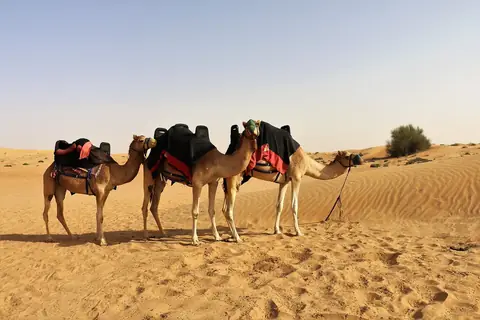
First trip to the UAE
Choose seven days or ten for Dubai, Sharjah, Abu Dhabi, Ras Al Khaimah and Al Ain: nights, buses and the metro, season, entry, medicines, dress and the current advisory.
Read the guide
UAE festivals and events 2027
The UAE's 2027 holidays and big events by month: Ramadan, the Eids, the Dubai Shopping Festival, Liwa, Al Dhafra, Art Dubai and the Abu Dhabi Grand Prix.
Read the guide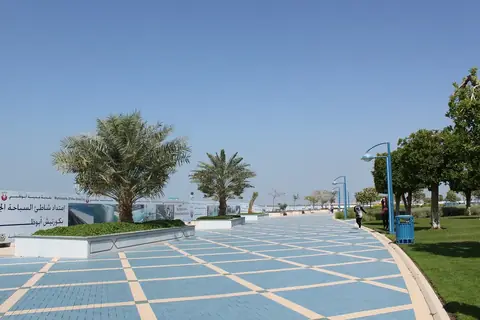
UAE trip cost
Seven days in Dubai, Sharjah and Abu Dhabi, all in: from about AED 1,840 per person on a budget, 2,910 mid-range or 6,060 in comfort, before the flight.
Read the guide
Transport in the UAE
The Dubai Metro and nol cards, the new Etihad Rail trains, the AED 25 buses between Dubai and Abu Dhabi, airport taxis, and what to know before you hire a car in the UAE.
Read the guide
UAE in seven days
A seven-day UAE route with four nights in old Dubai, a Sharjah day trip and two nights in Abu Dhabi by bus, with the Grand Mosque, the Louvre and the costs.
Read the guide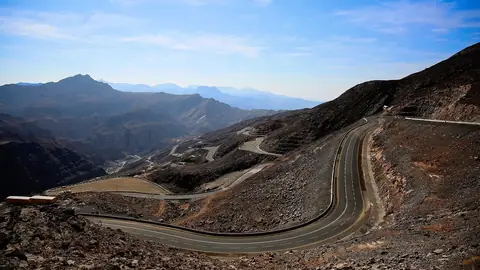
UAE in ten days
A ten-day UAE route by bus: four nights in Dubai, two in Ras Al Khaimah for Jebel Jais, two in Abu Dhabi and one in the oasis city of Al Ain.
Read the guideSources and checks before you travel
(30)
- Visit Abu Dhabi (DCT): the best time to travel to Abu Dhabi ↗ — opens in a new tab
- Visit Abu Dhabi (DCT): weather in Abu Dhabi ↗ — opens in a new tab
- Dubai Government Media Office: geographic location and climate ↗ — opens in a new tab
- Visit Ras Al Khaimah: geography ↗ — opens in a new tab
- Visit Ras Al Khaimah: Jebel Jais ↗ — opens in a new tab
- MOHRE: the midday break ↗ — opens in a new tab
- Diyanet (Turkey): 2027 religious days ↗ — opens in a new tab
- UAE Ministry of Education: academic calendar 2026–2027 ↗ — opens in a new tab
- UK FCDO: UAE safety and security ↗ — opens in a new tab
- Sheikh Zayed Grand Mosque Centre: FAQs ↗ — opens in a new tab
- Sheikh Zayed Grand Mosque Centre: visiting hours ↗ — opens in a new tab
- RTA: intercity bus e-tickets ↗ — opens in a new tab
- Etihad Rail: UAE President travels aboard Etihad Rail from Abu Dhabi to Dubai ↗ — opens in a new tab
- Visit Abu Dhabi (DCT): Etihad Rail ↗ — opens in a new tab
- Visit Ras Al Khaimah: intercity bus service ↗ — opens in a new tab
- Abu Dhabi Culture (DCT): Louvre Abu Dhabi ↗ — opens in a new tab
- Visit Abu Dhabi (DCT): Louvre Abu Dhabi ↗ — opens in a new tab
- Etihad Rail: first paying passengers ↗ — opens in a new tab
- RAK Transport Authority: public transport ↗ — opens in a new tab
- Dubai Airports: to and from the airport ↗ — opens in a new tab
- WMO World Weather Information Service: Dubai climate (data from the National Center of Meteorology) ↗ — opens in a new tab
- Government of Canada: United Arab Emirates travel advice (climate) ↗ — opens in a new tab
- Experience Abu Dhabi (DCT): Qasr Al Watan ↗ — opens in a new tab
- Sheikh Zayed Grand Mosque Centre: visitor FAQs ↗ — opens in a new tab
- Dubai Holding: Global Village opens Season 31 (14 October 2026) ↗ — opens in a new tab
- Dubai Festivals and Retail Establishment: Dubai Summer Surprises 2026 (via Zawya) ↗ — opens in a new tab
- Ministry of Human Resources and Emiratisation: Eid Al Etihad holiday 2026 ↗ — opens in a new tab
- Ministry of Human Resources and Emiratisation: Eid Al Fitr holiday 2026 ↗ — opens in a new tab
- Abu Dhabi Mobility: inter-emirates services ↗ — opens in a new tab
- Dubai Culture: Al Shindagha Museum, plan your visit ↗ — opens in a new tab
Reference sources for the version dated 29 November 2026. Confirm opening times, access, transport and conditions for your travel dates.
Photo credits
(4)
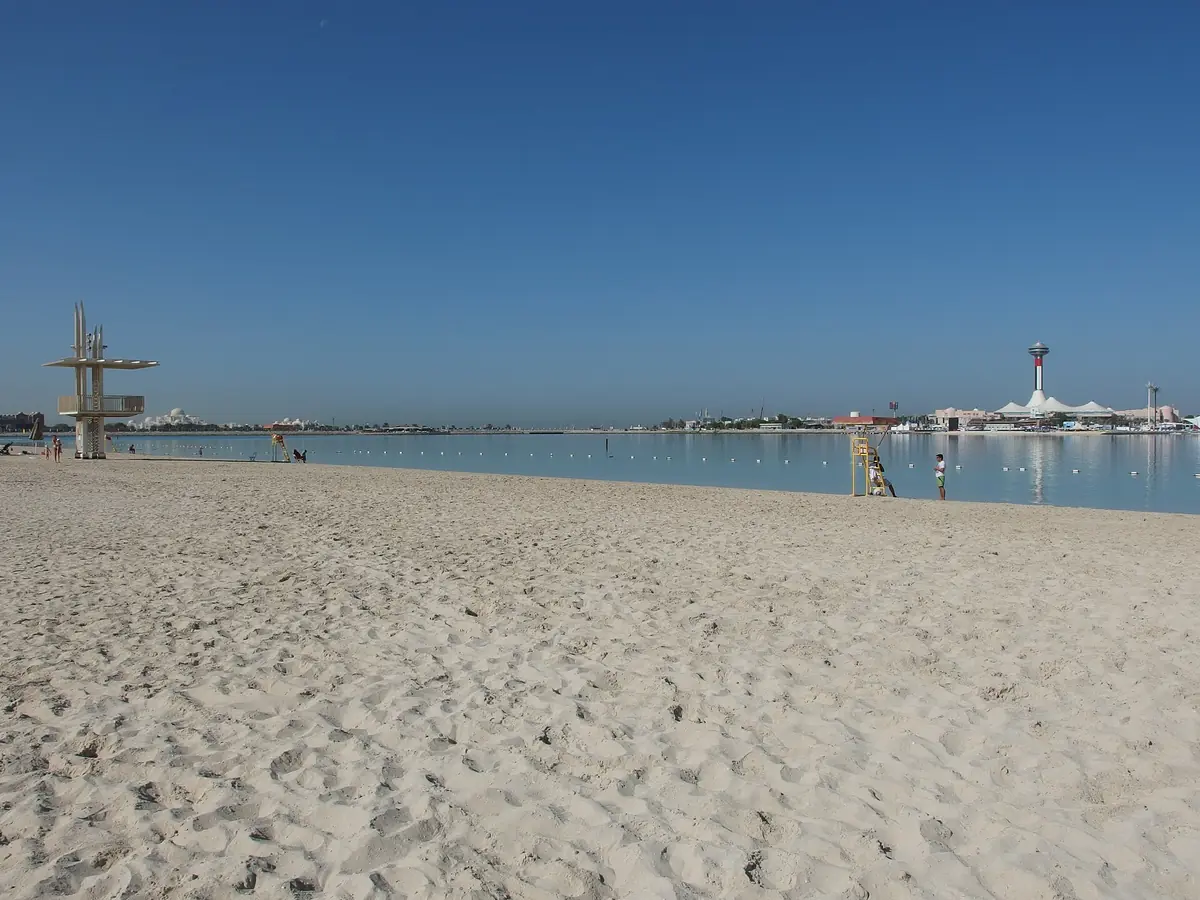
The Corniche beach in Abu Dhabi
Photograph: Guilhem Vellut from Annecy, France — opens in a new tab · CC BY 2.0 — opens in a new tab
Changes: Resized and converted to WebP; displayed with responsive crops. · Original photograph and licence details ↗ — opens in a new tab
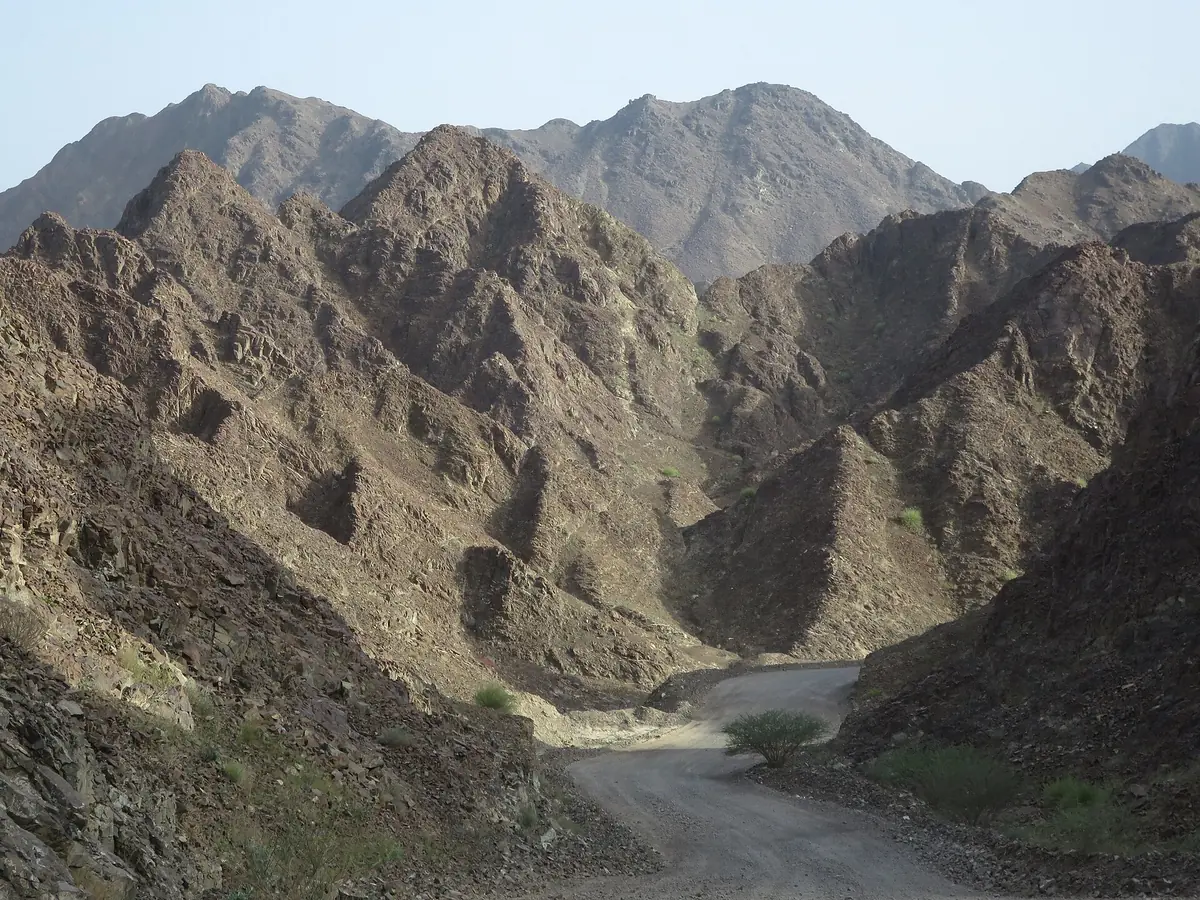
Wadi Shawka in the Hajar Mountains of Ras Al Khaimah
Photograph: Angela Manthorpe — opens in a new tab · CC BY-SA 4.0 — opens in a new tab
Changes: Resized and converted to WebP; displayed with responsive crops. · Original photograph and licence details ↗ — opens in a new tab
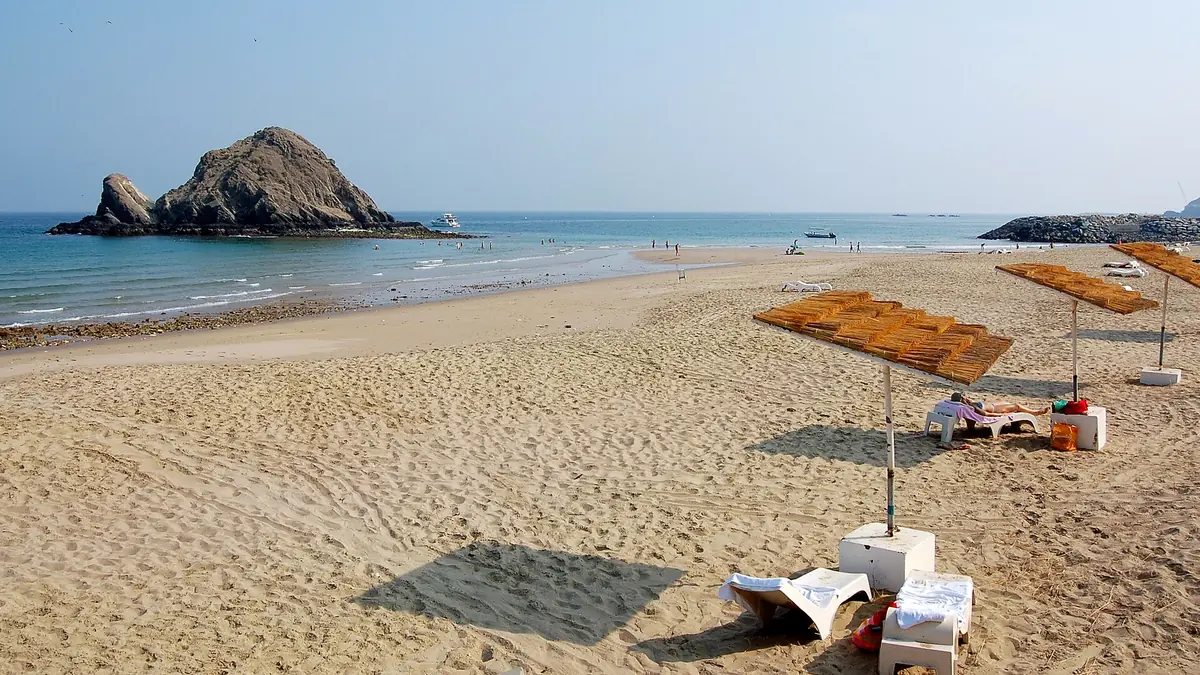
Al Aqah Beach on the Gulf of Oman coast of Fujairah
Photograph: Bahnfrend — opens in a new tab · CC BY-SA 4.0 — opens in a new tab
Changes: Resized and converted to WebP; displayed with responsive crops. · Original photograph and licence details ↗ — opens in a new tab
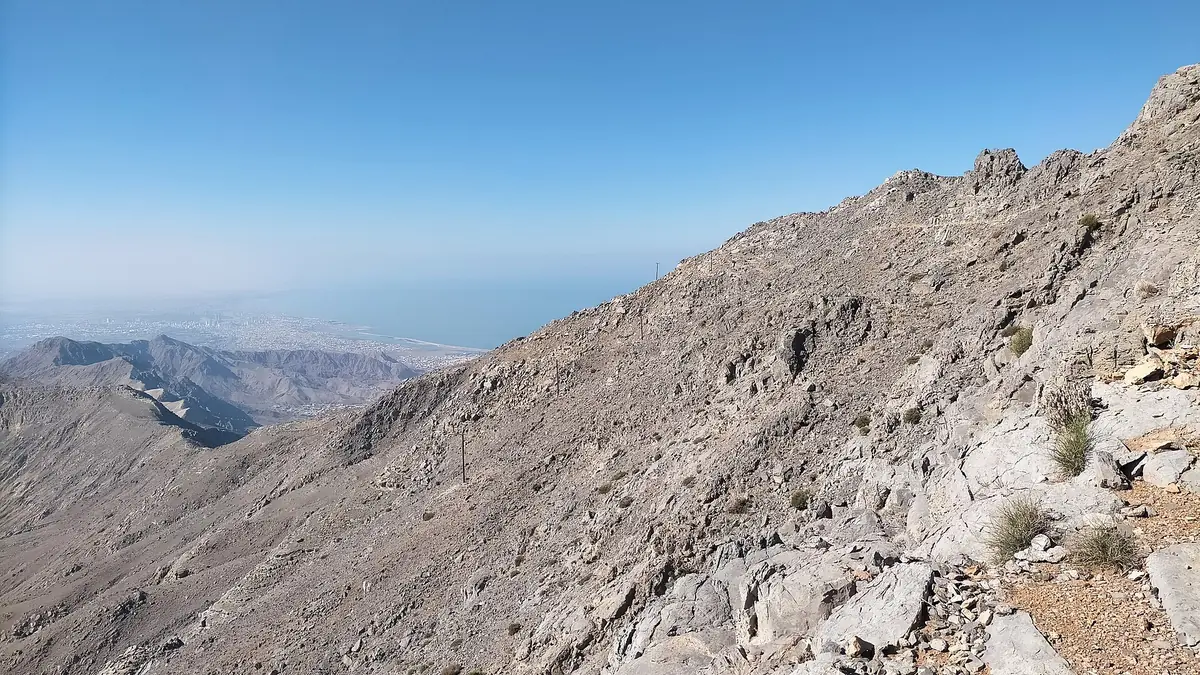
A ridge south of Jabal Rahabah in the mountains of Ras Al Khaimah
Photograph: Ciorraga — opens in a new tab · CC BY-SA 4.0 — opens in a new tab
Changes: Resized and converted to WebP; displayed with responsive crops. · Original photograph and licence details ↗ — opens in a new tab