Plan your trip
Solo female travel in the UAE: taxis, the metro, dress, nights out and help
Dubai and Abu Dhabi are straightforward to get around alone: the Dubai Metro has cabins for women and children, and Dubai's pink-roofed taxis have female drivers. The questions women ask before going are specific: what the governments say about the region's tensions, how to get from the airport, what to wear in a mall, on the beach and in a mosque, what the law says about drinking and relationships, and who to call if something goes wrong. This guide takes them in that order.
In this guide
Find the location ↗ — opens in a new tabThe short answer
Getting around alone is straightforward. In Dubai a metered taxi costs at least AED 12 from the street or AED 13 by app, and an airport taxi starts at AED 20 (AED 25 for a van) plus the distance. Pink-roofed taxis have female drivers, and every metro train has cabins for women and children. Cover your shoulders and knees in public; in a mosque, wear long, loose clothes and a headscarf. Drink only in licensed venues, never leave a drink unattended, and book the ride back in an app. Read your own government's advice on the regional conflict before you book, and save 999 for the police and 998 for an ambulance.
- Key point
- Set up before you fly: a taxi app, a booked first night, travel insurance, saved numbers and a scarf for the mosques
- Where it applies
- No base is needed; the advice applies wherever you stay
- Timing
- The same all year; during Ramadan dress codes matter more, and from June to September the heat is the bigger risk on any outing.
Is it safe? The travel advice in brief
Since the regional conflict that began in early 2026, governments draw the line differently: Germany advises against non-essential travel to the UAE, while the UK and Canada do not advise against the country as a whole but warn of flight disruption and ask for caution. Read your own government's advice before you book; our health and safety guide has the full advice, including the area around Al Minhad Air Base that Canada asks travellers to avoid.
On women, the UK and Canadian advice says much the same. Take care when walking or travelling alone or at night, use a reputable taxi company and never accept lifts from strangers. Sexual assault and rape are relatively rare but do happen, and women travelling alone may, though rarely, face harassment, verbal abuse or physical assault.
Prices and times checked 28 November 2026
From the airport and around town: taxis and the metro
At Dubai International (terminals 1, 2 and 3) and Al Maktoum International, follow the taxi sign at the exit to the queue in the arrivals area. Airport taxis start at AED 20 (AED 25 for a van) plus the distance, paid on the meter. In town, hail a taxi in a designated area or book one in the RTA's S'hail app or in Careem (Hala Taxi), Bolt, Zed or Yango; Uber and Abu Dhabi Taxi are licensed too. Dubai's authorised taxis are cream with coloured roofs, and pink-roofed taxis have female drivers; special taxis for women and children can be hailed at the roadside or booked in advance. In Abu Dhabi, taxis are silver or grey, and purple taxis are reserved for and driven by women. Do not share a taxi with strangers, and use only metered taxis or app rides.
In town, Dubai's minimum taxi fare is AED 12 from the street and AED 13 by app. Salik road tolls come on top, and a trip that passes through Sharjah costs AED 20 more. Fares can change at peak hours and at event locations. The rush hours are 08:00–10:00 and 16:00–20:00 from Monday to Thursday, 08:00–10:00 and 16:00–00:00 on Friday, and 16:00–00:00 at weekends.
Every Dubai Metro train, on the Red and Green lines, has a group of cabins for women and children only, as well as a Gold Class cabin and general cabins. Dubai's buses have a dedicated section for women, children and families, and women and children may leave by the front door. Stations and trains have more than 3,000 CCTV cameras, a metro police force and an emergency call box in each train and station. Sitting in an area designated for other passengers, such as the women's cabins, carries an AED 100 fine. Our transport guide covers the nol card, fares and the buses between the emirates.
Prices and times checked 28 November 2026

Where to stay alone: near the metro or the tram
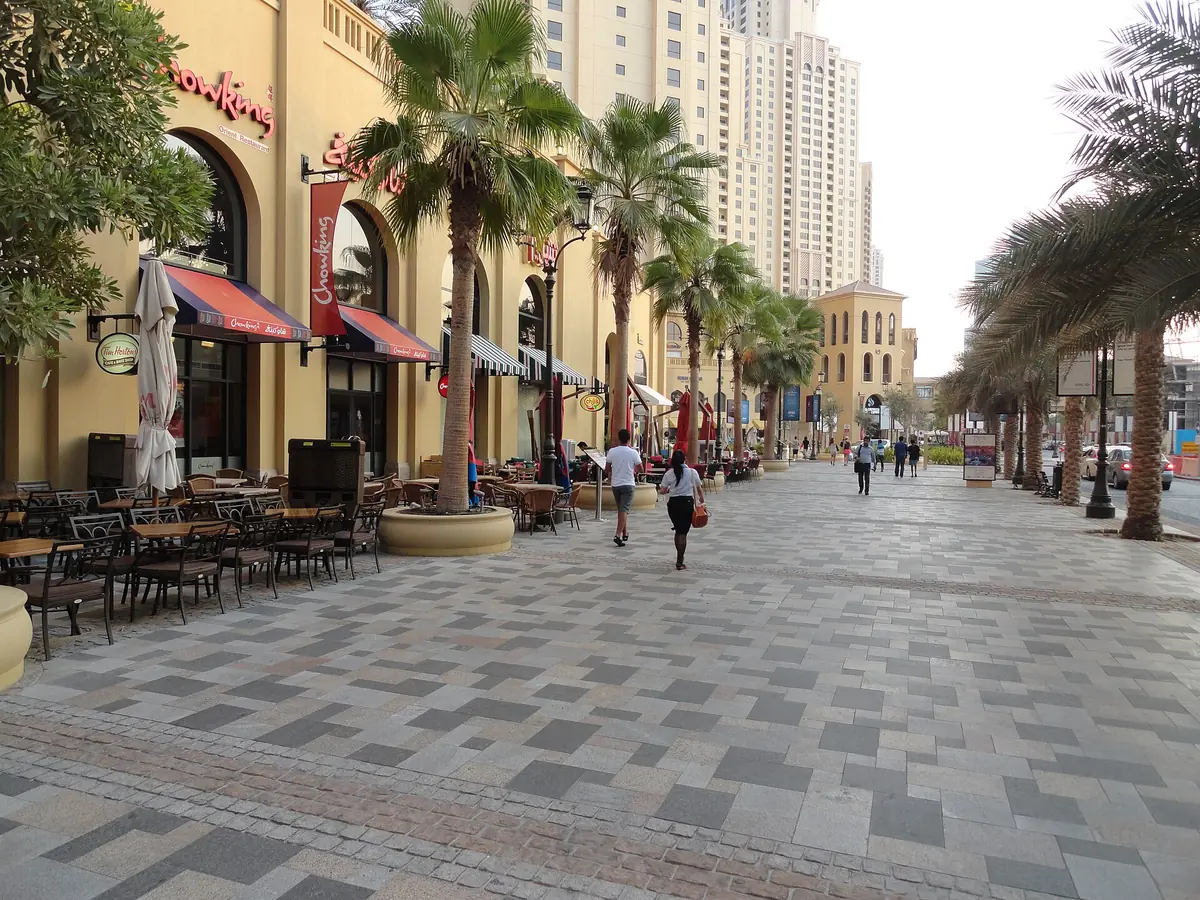
Choose a hotel a short walk from a metro or tram stop, so the ride back at night is short. In Dubai, Bur Dubai and Al Fahidi on the creek put the old souks within a walk, with the Green Line running along the creek. Downtown is the Burj Khalifa and the Dubai Mall, on the Red Line. Dubai Marina and JBR are the beach district, on the tram along Jumeirah Beach Road. In Abu Dhabi, sleep on the Corniche, eight kilometres of waterfront with cafés and a lifeguarded beach. Our where-to-stay guide names hotels in each. Hotels normally take a photocopy of your passport when you check in.
What to wear in malls, on the beach and in mosques
In public places such as malls, cover your shoulders and knees, with no visible underwear, no transparent clothing and nothing with images or slogans that could offend; swimwear belongs on the beach or by the pool. Foreign women are not expected to cover their heads, but revealing clothing is considered inappropriate. Some venues, events and buildings set their own dress codes, and during Ramadan clothing that ignores the local dress codes may cause more offence. For a beach without men, Dubai Municipality's Al Mamzar Beaches include a dedicated women's beach that is open around the clock.
Mosques are stricter. At the Sheikh Zayed Grand Mosque in Abu Dhabi, women and men wear long, loose-fitting, ankle-length clothes, and women must wear a headscarf; visitors book a visit online for an access pass, and the security check has separate lanes for women and men. Pack a long scarf and loose trousers or a long skirt for that day; our Abu Dhabi guide covers the visit itself.
Do not photograph people without their permission: men have been arrested for photographing women on beaches. Swearing and rude gestures, including online, are criminal offences, and public displays of affection, including holding hands and kissing, may attract the attention of the authorities.
Nights out, alcohol and the law
You can drink in licensed hotel bars, restaurants and clubs in Abu Dhabi, Dubai and the other emirates except Sharjah, where drinking and having alcohol are illegal; the legal age is 21. Being drunk in a public place is illegal everywhere in the UAE. British nationals have been arrested and charged under this law, often after coming to police attention for a related offence such as disorderly behaviour. Book the ride back in an app before you go out. Criminals can spike drinks to assault or rob you, so never accept a drink from a stranger or leave yours unattended.
Consensual relationships between an unmarried man and woman aged 18 or over are generally legal, except in Sharjah and for couples in which either partner comes from a country that follows Islamic Shariah marriage law. If the spouse or a parent of either person files a criminal complaint about an extra-marital relationship, both people can be jailed for six months or longer.
Desert trips and the heat
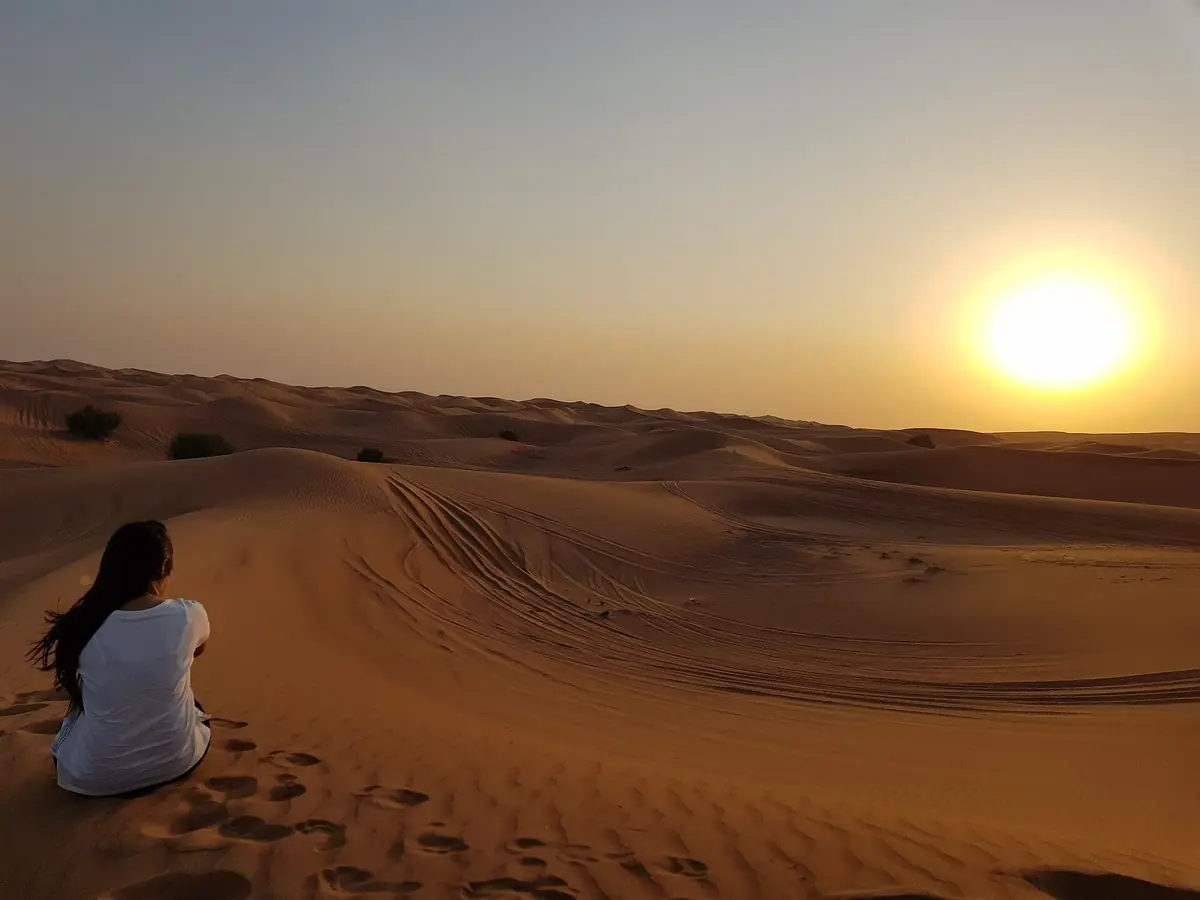
A desert safari is easiest to join with a reputable company that has proper health and safety procedures, for desert driving and quad biking alike. If you drive into the desert yourself, use a properly equipped 4x4, travel with other cars and take water and a mobile phone. Leave a copy of your plans with friends, relatives or your hotel.
Humidity and heat are most severe from June to September, and dehydration and heatstroke can both be fatal. Rip currents can occur at any beach, so swim only at approved beaches with lifeguards and flags. A red flag means that swimming is dangerous.
If something happens: the law and the numbers to save
If you are assaulted, these are the legal facts to know before you report it. A man convicted of rape faces life imprisonment, but UAE law places a high burden of proof on the victim to show that the sex was not consensual, especially if she had been drinking or knew the attacker. If the sex is judged consensual, either person may still be prosecuted for sex outside marriage. Canada warns that the local authorities may not respond adequately to reports of sexual violence and harassment, and that Emirati authorities have detained women who reported sexual assault. Contact your embassy or consulate as well as the police; the FCDO lists English-speaking lawyers, translators and interpreters in the UAE.
In an emergency, hospital emergency departments must treat you whatever your insurance. Other care can be refused without insurance or the means to pay, so check your cover before you fly; our health and safety guide covers insurance. Save these numbers before you land.
- 999: police, across the UAE.
- 998: ambulance; 997: fire.
- 901: Dubai Police non-emergency line, for inquiries and reports that are not urgent, so that 999 stays free for emergencies.
- 800111: helpline of the Dubai Foundation for Women and Children, a licensed shelter that protects women and children from domestic violence, abuse and human trafficking.
- Canada: the Emergency Watch and Response Centre answers 24 hours a day, toll-free from the UAE on 800-014-0145.
- United Kingdom: the FCDO's 24-hour line in London is +44 20 7008 5000, for friends or relatives at home when something has happened to you.
Prices and times checked 29 November 2026
Practical questions
Is the UAE safe for a woman travelling alone?
Getting around alone is straightforward: use metered taxis or app rides, and the metro's cabins for women and children. Before you book, read your own government's advice on the regional conflict; the first section of this guide sums up what the UK, Canada and Germany say.
Are there taxis with female drivers in Dubai?
Yes. Pink-roofed taxis in Dubai have female drivers, and special taxis for women and children can be hailed or booked in advance. In Abu Dhabi, purple taxis are reserved for and driven by women.
Does the Dubai Metro have women-only carriages?
Yes. Every train has a group of cabins for women and children only, besides the Gold Class and general cabins.
What should women wear in the UAE?
In malls and other public places, cover your shoulders and knees and avoid transparent clothing; swimwear is for the beach and the pool. Foreign women do not need to cover their heads, except in mosques: at the Sheikh Zayed Grand Mosque, wear long, loose, ankle-length clothes and a headscarf.
Can I drink alcohol in Dubai as a tourist?
Yes, at 21 or over, in licensed hotel bars, restaurants and clubs. Being drunk in public is illegal everywhere in the UAE, and alcohol is banned in Sharjah.
What number do I call in an emergency in the UAE?
999 for the police, 998 for an ambulance and 997 for fire. In Dubai, 901 is the police non-emergency line.
Keep planning your trip
First trip to the UAE
Choose seven days or ten for Dubai, Sharjah, Abu Dhabi, Ras Al Khaimah and Al Ain: nights, buses and the metro, season, entry, medicines, dress and the current advisory.
Read the guide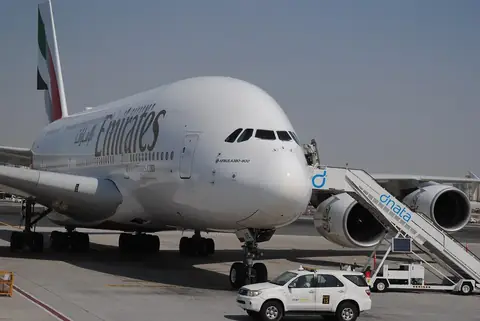
Entering the UAE
Which passports get a free UAE visa on arrival and for how long, the six-month passport rule, the AED 60,000 cash limit, duty-free limits and medicine permits.
Read the guide
Transport in the UAE
The Dubai Metro and nol cards, the new Etihad Rail trains, the AED 25 buses between Dubai and Abu Dhabi, airport taxis, and what to know before you hire a car in the UAE.
Read the guide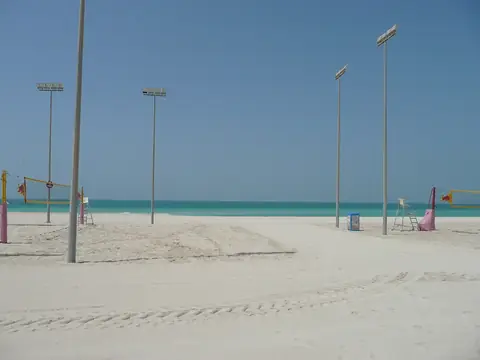
Health and safety in the UAE
The travel advice on regional tensions, the numbers to save, insurance and hospitals, the medicine permit, heat, the sea and desert, the roads and the laws.
Read the guide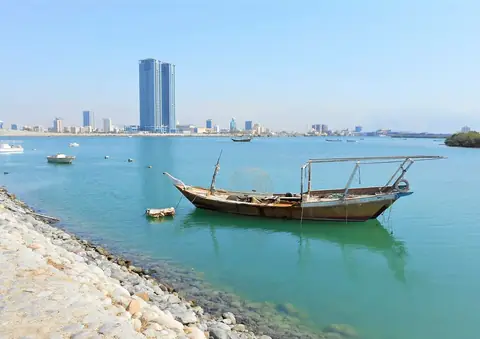
Where to stay in the UAE
Which part of Dubai to sleep in, the Abu Dhabi Corniche, the Ras Al Khaimah beach islands and Al Ain: nights for each and three hotels per area.
Read the guide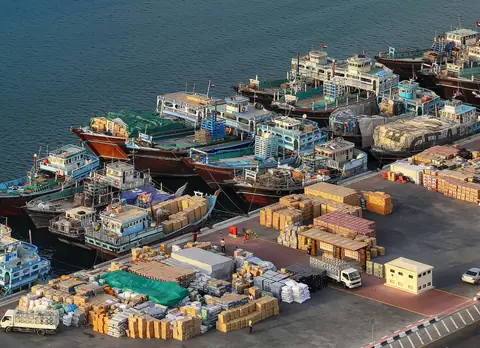
Dubai
Three nights in Dubai: Al Fahidi and the creek abra, the Deira souks, the Burj Khalifa, the beach and Marina, a desert evening, the airport metro and costs.
Read the guideSources and checks before you travel
(18)
- UK FCDO: United Arab Emirates travel advice, warnings and insurance (updated 18 November 2026) ↗ — opens in a new tab
- UK FCDO: United Arab Emirates safety and security ↗ — opens in a new tab
- UK FCDO: United Arab Emirates getting help ↗ — opens in a new tab
- UK FCDO: United Arab Emirates health ↗ — opens in a new tab
- Government of Canada: United Arab Emirates travel advice (updated 14 October 2026) ↗ — opens in a new tab
- Roads and Transport Authority (RTA): taxis in Dubai ↗ — opens in a new tab
- Roads and Transport Authority (RTA): about Dubai Metro ↗ — opens in a new tab
- Sheikh Zayed Grand Mosque Centre: frequently asked questions ↗ — opens in a new tab
- Dubai Media Office: Dubai Police non-emergency line 901 (17 August 2021) ↗ — opens in a new tab
- Roads and Transport Authority (RTA): taxi fares ↗ — opens in a new tab
- Dubai Municipality: Al Mamzar Beaches (19 June 2026) ↗ — opens in a new tab
- Dubai Foundation for Women and Children ↗ — opens in a new tab
- RTA: Dubai Metro project ↗ — opens in a new tab
- RTA: about Dubai Tram ↗ — opens in a new tab
- Experience Abu Dhabi: Abu Dhabi Corniche ↗ — opens in a new tab
- RTA: Dubai Bus ↗ — opens in a new tab
- Dubai Health Authority: Standards for Urgent Care and Emergency Department Services (2022) ↗ — opens in a new tab
- Department of Health Abu Dhabi: all patients to receive emergency care regardless of insurance status (11 December 2019) ↗ — opens in a new tab
Reference sources for the version dated 29 November 2026. Confirm opening times, access, transport and conditions for your travel dates.
Photo credits
(4)
The Walk at JBR, Dubai Marina
Photograph: Fabio Achilli from Milano, Italy — opens in a new tab · CC BY 2.0 — opens in a new tab
Changes: Resized and converted to WebP; displayed with responsive crops. · Original photograph and licence details ↗ — opens in a new tab
A Dubai Metro train at Rashidiya station
Photograph: Omkar1234 — opens in a new tab · CC BY-SA 3.0 — opens in a new tab
Changes: Resized and converted to WebP; displayed with responsive crops. · Original photograph and licence details ↗ — opens in a new tab
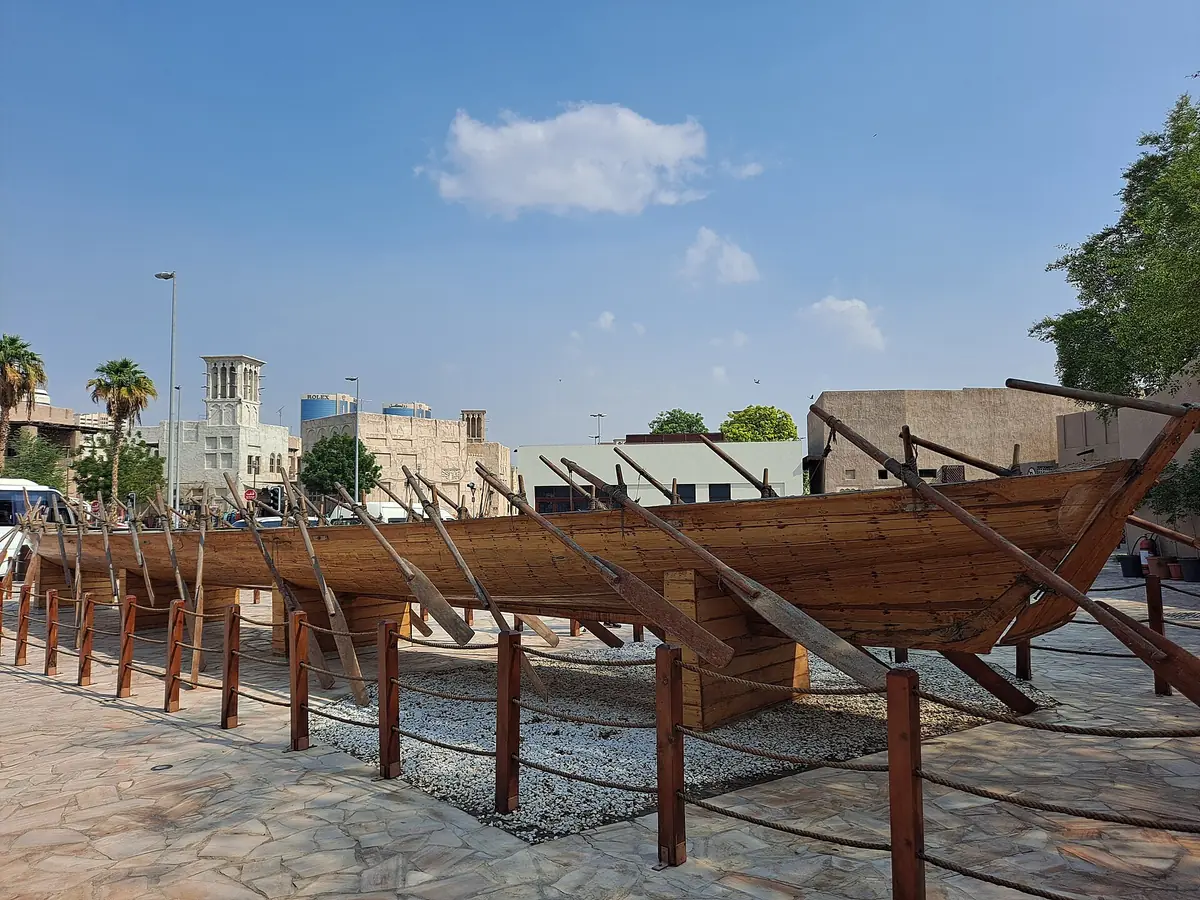
Al Fahidi Historical Neighbourhood (Al Bastakiya), Dubai
Photograph: EditQ — opens in a new tab · CC0 — opens in a new tab
Changes: Resized and converted to WebP; displayed with responsive crops. · Original photograph and licence details ↗ — opens in a new tab
Sunset from the dunes on a desert trip outside Dubai
Photograph: Grocerbix — opens in a new tab · CC BY-SA 4.0 — opens in a new tab
Changes: Resized and converted to WebP; displayed with responsive crops. · Original photograph and licence details ↗ — opens in a new tab