Plan your trip
Egyptian food: koshari, ful, ta’ameya, molokhiya and Alexandria’s fish
Egyptian food is cheap, filling and built on beans, rice, bread and greens. Koshari and ful with ta’ameya are what Cairo eats every day, molokhiya and stuffed vegetables are what families cook at home, and Alexandria adds fish chosen from the ice and fried liver in a sandwich. This guide gives each dish a place to try it and prices it from the street.
In this guide
Find the location ↗ — opens in a new tabThe short answer
No extra nights are needed for food in Cairo: eat ful with ta’ameya for breakfast and koshari for lunch on the days you are there, starting at Abou Tarek on Champollion Street downtown. Add a night in Alexandria for a fish dinner in Bahari, where you choose the fish from the ice. Ful with ta’ameya from a downtown Cairo cart costs EGP 10 (about 14p), and a large box of koshari costs EGP 40 (about 56p). A street-food day in Cairo comes to about EGP 90 (about £1.25) a person, and a day with a sit-down Egyptian lunch and dinner in Luxor to about EGP 625 (about £8.70).
- Key point
- No extra nights in Cairo; one night in Alexandria for the fish dinner
- Where it applies
- Downtown Cairo for koshari, ful and ta’ameya; Alexandria’s Bahari district for fish and liver
- Timing
- During Ramadan, whose dates move each year, eating, drinking or smoking in public in daylight is culturally insensitive, so eat inside your hotel or a restaurant by day and join the city at sunset, when families share the evening meal and lanterns hang over the streets.
Koshari: Cairo’s everyday plate
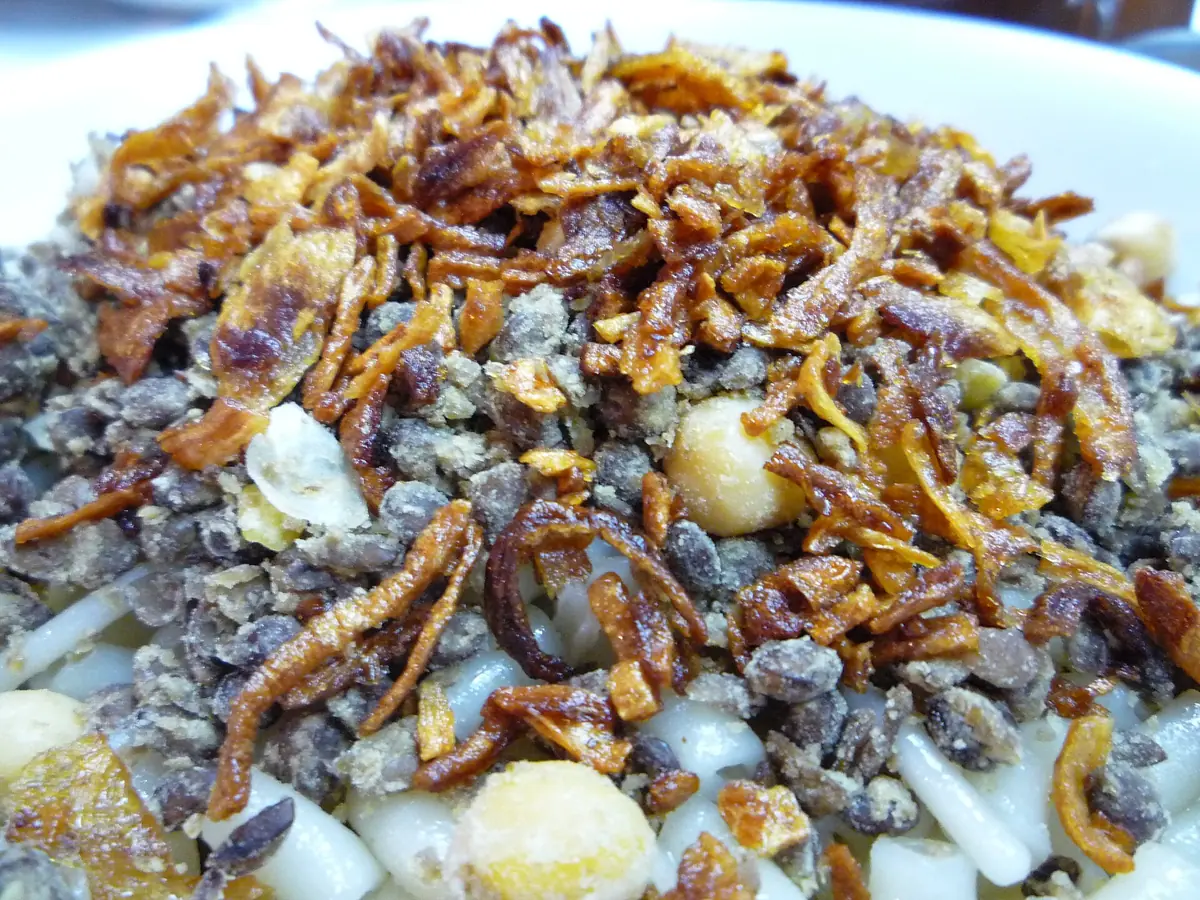
Koshari is Egypt’s filling, cheap everyday meal: rice, pasta, black or brown lentils and chickpeas under a garlicky tomato sauce and a heap of crisp fried onions, with vinegar, garlic and hot sauce added to taste. It is cooked at home and sold in restaurants and from street carts, especially near schools and busy streets. In 2025 UNESCO added koshary and the practices around it to its Representative List of the Intangible Cultural Heritage of Humanity.
Abou Tarek on Champollion Street in downtown Cairo is the classic place to try it. Order the fried bread crumbs (aish mohammas) on the side.
Many koshari meals end with rice pudding from a dessert shop nearby. Egypt also shares a family of syrupy sweets with its neighbours: kunafa, basbousa, qatayef and baklawa, best with a glass of strong, hot tea.
Prices and times checked 28 November 2026
Ful and ta’ameya: breakfast from a cart
Ful medames is the most common breakfast in Egypt: fava beans cooked slowly, spiced and buttery, eaten with baladi bread, the round Egyptian flatbread. Its partner is ta’ameya, Egypt’s falafel, made from ground fava beans rather than chickpeas and mixed with herbs, so it is green inside, crunchy outside and soft in the middle. Together they are ful wi ta’ameya, and ta’ameya is vegan.
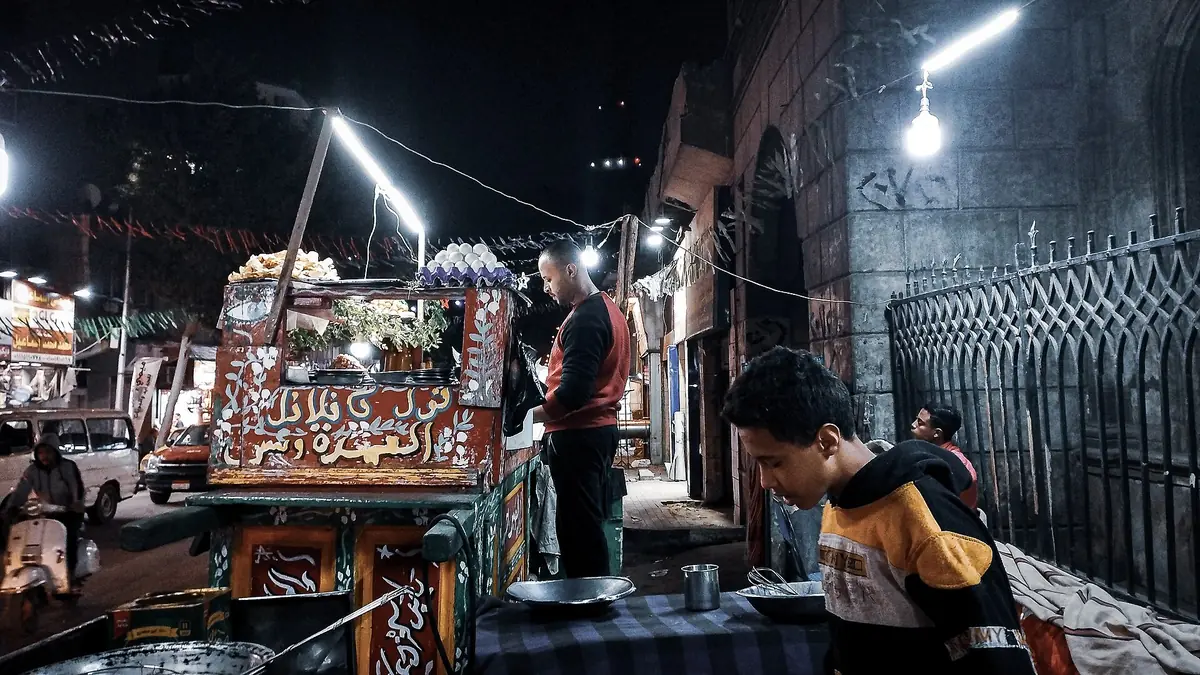
In Cairo, eat them on the pavement. Nasser Al Fayoumi is a food cart and small shop in downtown Cairo with metal chairs and tables in the street, serving thousands of ful and ta’ameya dishes and sandwiches a day; one order of ful wi ta’ameya costs EGP 10. Zooba, a Cairo restaurant group founded in 2012, serves the same street dishes, its ta’ameya and koshari among them.
In Alexandria the place is Mohamed Ahmed at 17 Shakour Street, off Ramleh Station. A ful shop has stood on that site since 1932. In 1957 the two sons of Mohamed Ahmed bought it, and the family still owns it. The shop is still known for its ful and falafel, and the menu now also has fried cheese, lentil soup and eggs. Ask for ful Iskandarani, the Alexandrian version, with diced tomato, onion, parsley, green pepper and garlic under olive oil.
Prices and times checked 28 November 2026
Molokhiya, mahshi and feteer: food from home kitchens
Molokhiya is often called Egypt’s national dish: a green soup of finely minced molokhiya leaves, topped with fried garlic and coriander and served over rice or with bread.
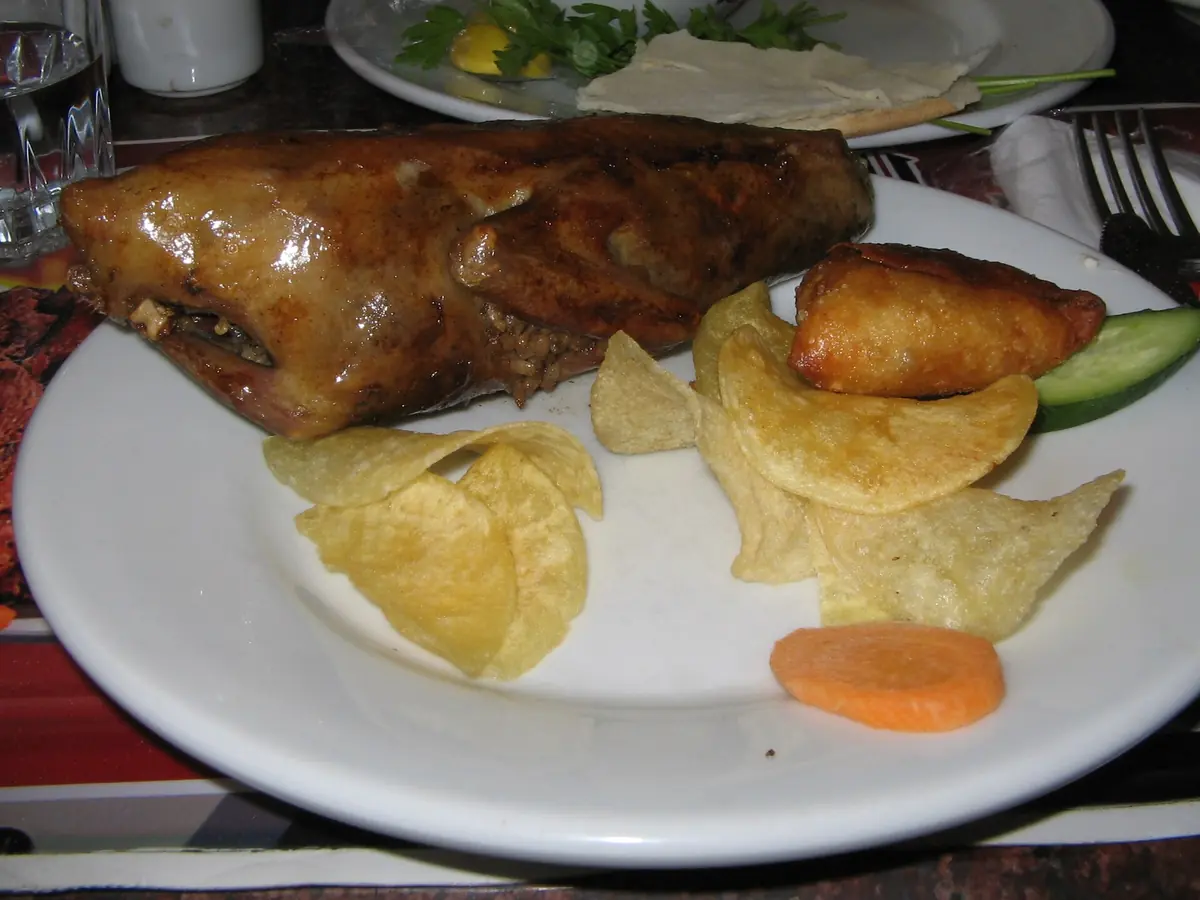
Mahshi are stuffed dishes. Wara enab are small vine leaves rolled around herbed rice, or rice and meat, and cooked in broth, often with a yoghurt and cucumber dip. Hamam mahshi is the festive version: squab, a young pigeon, stuffed with freekeh (green durum wheat), usually served as a pair at celebrations. Grilled kabab and kofta come with salads, pickles and fresh baladi bread.
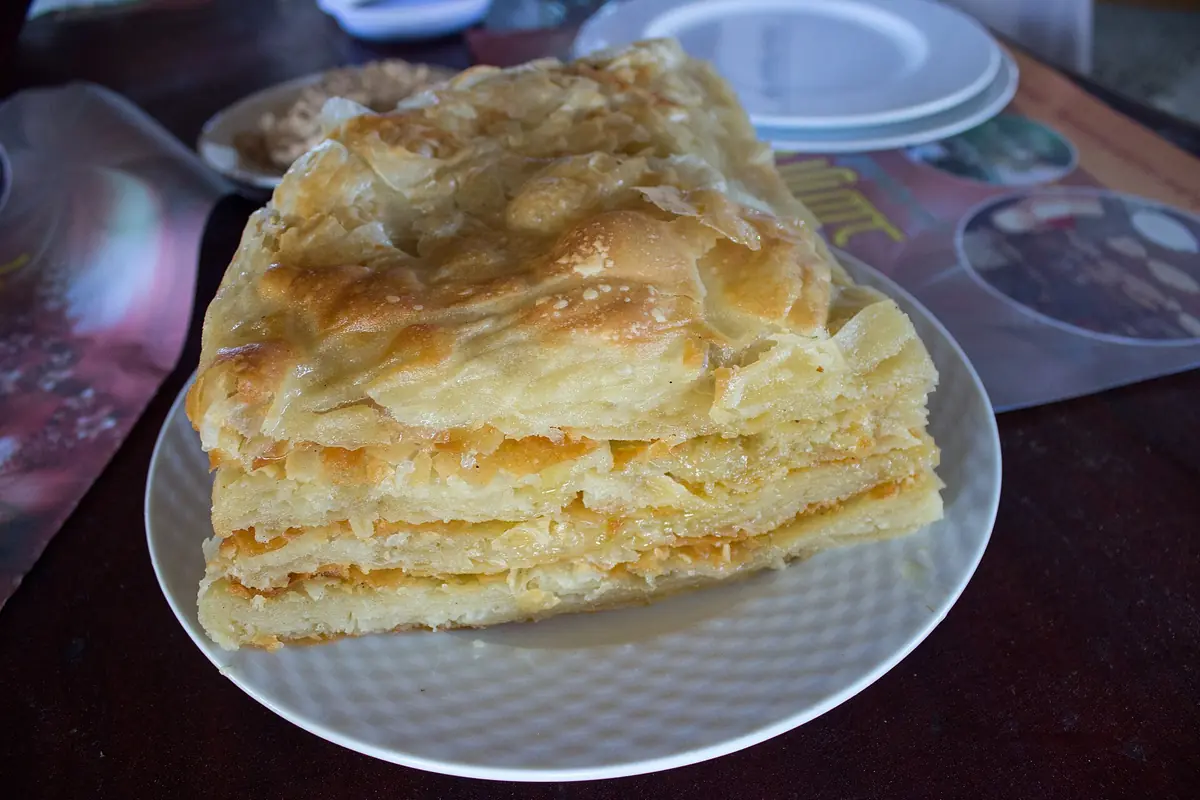
Feteer meshaltet is a flaky pastry of thin layers of dough with plenty of butter between them, eaten with sweet or savoury toppings. It is at its best from the mud-brick ovens of the countryside. In Luxor, Al-Sahaby Lane, the rooftop restaurant of Nefertiti Hotel on Al-Sahaby Street near Luxor Temple, has all three on one menu: molokhiya soup for EGP 75, stuffed pigeon with freekeh for EGP 350 and Egyptian feteer for EGP 200 to EGP 400. Most hotels also serve Egyptian dishes alongside international ones.
The calendar changes the table. Coptic Christian families end a 43-day vegan fast with a Christmas feast on 7 January. Eid al-Fitr, at the end of Ramadan, brings kahk, cookies filled with honey and nuts. On Sham el-Nessim, the Monday after Coptic Easter, families picnic on smoked and salted fish, lettuce and onions. The festivals and events guide has the dates.
Alexandria: fish from the ice and liver sandwiches
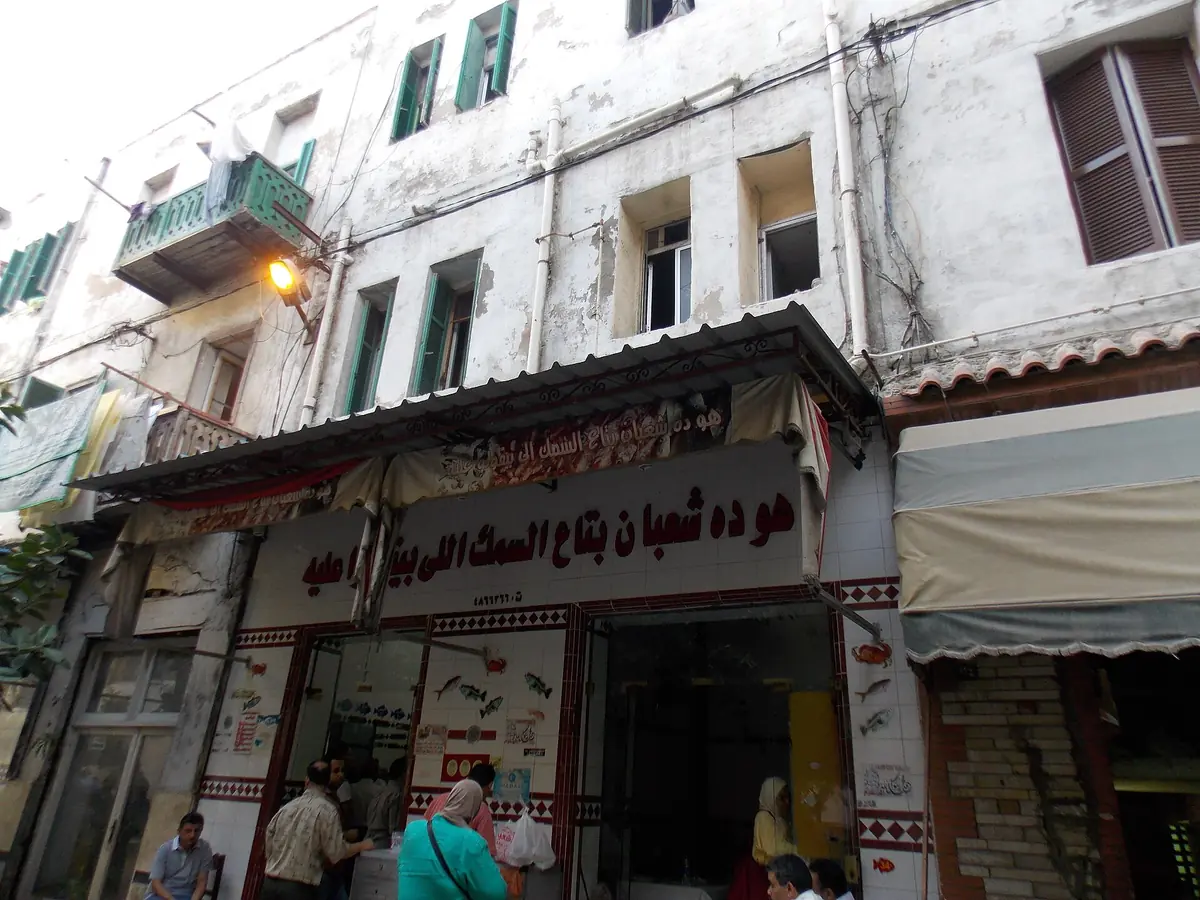
Alexandria eats from the sea. In its fish restaurants the catch lies in boxes of crushed ice: fish, crabs, shrimps, squid, lobster and clams, and you point to what you want before it is cooked. The signature dishes include sengari fish, which is butterflied and marinated with garlic, onion, vegetables and spices. Blackened fish and shrimps sautéed with tomato, onion and garlic are the other classics. Tahini, baba ghanoush and baladi bread come on the side.
Bahari, the old Arab quarter, has the best-known places. Qadura was opened there in 1950 by a fisherman and serves fish and a few salads, cooked the traditional way. Fish Market is also in Bahari. Zephyrion, along the coast at Abu Qir, has served fish facing the sea since at least the 1930s and is now painted in the blue and white of the Greek islands.
Kebda Iskandarani, Alexandrian liver, is the city’s other speciality: small, thin slices of beef liver fried with thyme, cumin and chilli, served hot and spicy in bread with green pepper and lemon. Many shops now add tahini, but the traditional liver shops serve it without. Some of the liver stalls around Attarine and Bahari started in the 1920s, and the city’s eateries compete to make the best.
Upper Egypt’s bread and hibiscus tea, and alcohol with meals
In Luxor and Aswan, look for eish shamsi, the bread of Upper Egypt: the dough rises in the sun on clay discs, which gives it a soft inside and a thick, crunchy crust. Across the river from Aswan, the Nubian villages such as Gharb Soheil are the place for Nubian food. In Aswan, look for one drink. Karkade, hibiscus tea, has been served in Nubia since the time of the ancient Egyptians, and Aswan is the place to try it, hot or cold. For a slower afternoon, take tea on the terrace of the Old Cataract Hotel, which looks over the Nile to Elephantine Island at sunset. Tea is the drink of every evening in Egypt, where friends stay up late over a shared meal or several rounds of it.
Drinking alcohol is legal only in licensed restaurants and bars, private homes and certain tourist resorts; anywhere else it is illegal and can lead to arrest. The health and safety guide covers food and water hygiene.
What to eat and where to look
Koshari
Rice, pasta, lentils and chickpeas under tomato sauce and fried onions, with vinegar, garlic and chilli to taste.
- Where to look
- Abou Tarek, Champollion Street, downtown Cairo.
- Fit it into your day
- Lunch on a Cairo day, with rice pudding after.
Ful wi ta’ameya
Slow-cooked spiced fava beans with baladi bread, and Egypt’s green fava-bean falafel.
- Where to look
- Nasser Al Fayoumi, a cart and small shop in downtown Cairo.
- Fit it into your day
- Breakfast on a Cairo day.
Hamam mahshi
Young pigeon stuffed with freekeh, green durum wheat: the festive dish of Egyptian home cooking.
- Where to look
- Al-Sahaby Lane, the rooftop restaurant of Nefertiti Hotel on Al-Sahaby Street, Luxor, where it is EGP 350.
- Fit it into your day
- Dinner after a day on the East Bank in Luxor.
Fish from the ice
Choose fish, shrimps or squid from the iced display and have it cooked: sengari, blackened or sautéed, with tahini and bread.
- Where to look
- Qadura in Bahari, Alexandria, or Zephyrion at Abu Qir.
- Fit it into your day
- Dinner on the Alexandria night.
Kebda Iskandarani
Thin slices of beef liver fried with thyme, cumin and chilli, served hot and spicy in bread with green pepper and lemon.
- Where to look
- The liver stalls around Attarine and Bahari, Alexandria.
- Fit it into your day
- A late snack on the Alexandria night.
What a day of meals costs
These figures are per person. The street prices come from two reports: EGP 10 for an order of ful wi ta’ameya at a downtown Cairo cart (NPR, August 2026) and EGP 20 to EGP 40 for a box of koshari, from small to large (Egypt Telegraph, December 2025). The sit-down meals are priced from the menu of Al-Sahaby Lane in Luxor. Sterling figures use the Central Bank of Egypt’s selling rate of 26 November 2026, GBP 1 = EGP 71.97. A room rate that includes breakfast lowers the total. A fish dinner in Bahari is priced on the day by the fish you choose from the ice and comes on top: ask the price of what you point at before it goes to the kitchen, side dishes included, so the bill holds no surprise. Fish is dearest in May and June, when boats with mechanical nets may not fish.
- Street-food day in Cairo, about EGP 90 (about £1.25): ful wi ta’ameya for breakfast (EGP 10), a large box of koshari for lunch (EGP 40), and in the evening a second box of koshari or another order of ful wi ta’ameya (EGP 10 to EGP 40).
- A day of sit-down meals in Luxor, EGP 625 (about £8.70): at Al-Sahaby Lane, lunch of molokhiya soup (EGP 75) and falafel (EGP 80), then a dinner of stuffed pigeon (EGP 350) with a karkade (EGP 70) and a large bottle of water (EGP 50), with breakfast at your hotel. Our seven-day itinerary allows about EGP 800 a day for meals, which also covers tea, juice and snacks.
Prices and times checked 28 November 2026
Practical questions
Which dish should I try first in Egypt?
Koshari. It is the everyday dish of Cairo, a large box costs well under £1, and UNESCO listed it as intangible heritage in 2025. Abou Tarek on Champollion Street downtown is the classic place.
Is Egyptian food good for vegetarians and vegans?
Yes. Ta’ameya is vegan, ful medames is built on fava beans and koshari on rice, pasta, lentils and chickpeas. Egyptian cooking has plenty of vegan recipes, and Coptic Christians keep a 43-day vegan fast before Christmas. Wara enab can contain meat and hamam mahshi is pigeon, so ask.
How much does a day of meals cost in Egypt?
A street-food day in Cairo, with ful wi ta’ameya and koshari, costs about EGP 90 per person (about £1.25). A day of sit-down Egyptian meals in Luxor, priced from the menu of Al-Sahaby Lane, comes to EGP 625 (about £8.70). A fish dinner in Alexandria is priced by the fish you choose: ask its price before it is cooked.
Where should I eat fish in Alexandria?
In Bahari, the old Arab quarter, where Qadura and Fish Market display the catch on ice and cook what you choose, or at Zephyrion in Abu Qir, which has faced the sea since at least the 1930s.
Can I eat during the day in Ramadan?
Yes, but not in public. Eating, drinking or smoking in the street in daylight is culturally insensitive during Ramadan, so eat inside a hotel or restaurant and go out at sunset, when the city sits down to its evening meal.
Keep planning your trip
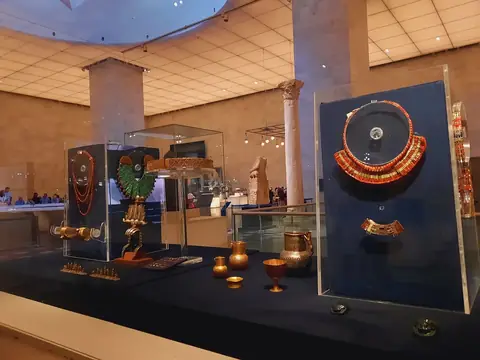
Cairo
Three nights in Cairo: Al-Muizz Street and Khan el-Khalili, the Citadel, Coptic Cairo, the Egyptian Museum and the royal mummies at NMEC, where to sleep and costs.
Read the guide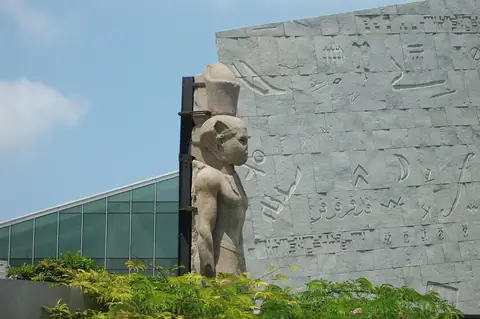
Alexandria
Alexandria as a day trip from Cairo or with one night: the catacombs, Pompey's Pillar, Qaitbay, the Bibliotheca Alexandrina, tickets, hours and trains.
Read the guide
Aswan
Plan two nights in Aswan: Philae, the Nubia Museum, Elephantine, the west-bank tombs, a Nubian village and a felucca, with 2026 ticket prices and Abu Simbel.
Read the guide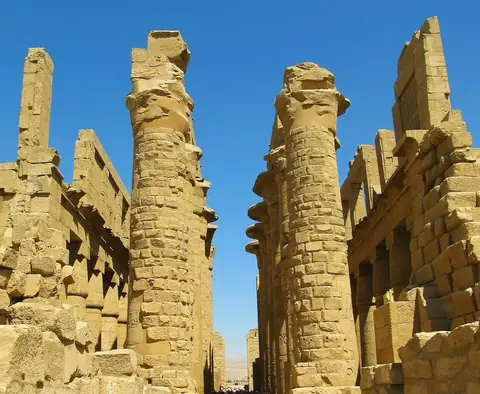
Luxor
How many nights Luxor needs: Karnak and Luxor Temple, the Valley of the Kings and its special tomb tickets, Hatshepsut, balloons at dawn and the sleeper train.
Read the guide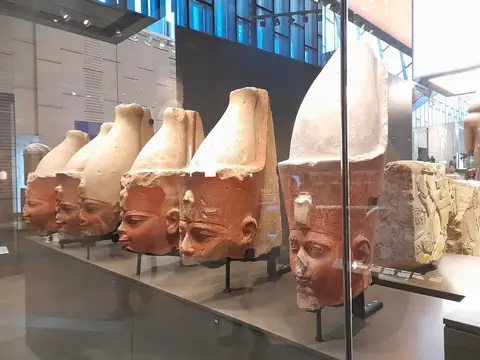
Egypt trip cost
Ten days with Cairo, a Nile cruise and the Red Sea: about EGP 90,900 per person on a budget, 99,100 mid-range or 141,800 in comfort, before meals off the ship.
Read the guide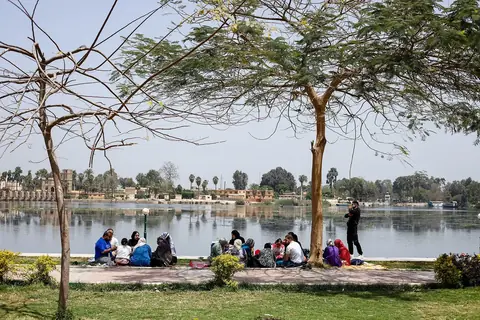
Egypt festivals and holidays 2027
Egypt's 2027 dates: Ramadan and the Eids, Coptic Christmas, Sham el-Nessim, the Abu Simbel sun festival on 22 February and 22 October, and the public holidays.
Read the guideSources and checks before you travel
(16)
- UNESCO: Koshary, daily life dish and practices associated with it ↗ — opens in a new tab
- Experience Egypt (Ministry of Tourism and Antiquities): Culture ↗ — opens in a new tab
- Experience Egypt (Ministry of Tourism and Antiquities): Aswan and Abu Simbel ↗ — opens in a new tab
- Egyptian Streets: How a cart in downtown Cairo became the ultimate koshari spot ↗ — opens in a new tab
- NPR: Taamiya, Egypt’s fava bean duo (30 August 2026) ↗ — opens in a new tab
- Egypt Telegraph: Koshari after the UNESCO listing, with restaurant prices (10 December 2025) ↗ — opens in a new tab
- Zooba: The food ↗ — opens in a new tab
- Bibliotheca Alexandrina, AlexMed: Benjamin/Mohamed Ahmed ↗ — opens in a new tab
- Bibliotheca Alexandrina, AlexMed: Fish restaurants ↗ — opens in a new tab
- Bibliotheca Alexandrina, AlexMed: Eateries ↗ — opens in a new tab
- Bibliotheca Alexandrina, AlexMed: Awlad el Fallah ↗ — opens in a new tab
- Bibliotheca Alexandrina, AlexMed: Seesa ↗ — opens in a new tab
- FCDO: Egypt safety and security ↗ — opens in a new tab
- Central Bank of Egypt: CBE exchange rates ↗ — opens in a new tab
- Nefertiti Hotel, Luxor: Al-Sahaby Lane menu ↗ — opens in a new tab
- Google Arts & Culture (Nawaya): Eish shamsi, Egypt's sun-kissed bread ↗ — opens in a new tab
Reference sources for the version dated 28 November 2026. Confirm opening times, access, transport and conditions for your travel dates.
Photo credits
(6)
Koshari in downtown Cairo, with fried onions over rice, lentils and pasta
Photograph: Arria Belli — opens in a new tab · CC BY-SA 2.0 — opens in a new tab
Changes: Resized and converted to WebP; displayed with responsive crops. · Original photograph and licence details ↗ — opens in a new tab
Ful carts in Old Cairo at night, when they also serve the pre-dawn meal during Ramadan
Photograph: Foua42000 — opens in a new tab · CC BY-SA 4.0 — opens in a new tab
Changes: Resized and converted to WebP; displayed with responsive crops. · Original photograph and licence details ↗ — opens in a new tab
Feteer meshaltet, the layered butter pastry of the Egyptian countryside
Photograph: Mohamed Ouda — opens in a new tab · CC BY-SA 4.0 — opens in a new tab
Changes: Resized and converted to WebP; displayed with responsive crops. · Original photograph and licence details ↗ — opens in a new tab
A street fish restaurant in Alexandria
Photograph: Samir I. Sharbaty — opens in a new tab · CC BY-SA 3.0 — opens in a new tab
Changes: Resized and converted to WebP; displayed with responsive crops. · Original photograph and licence details ↗ — opens in a new tab
Hamam mahshi, stuffed pigeon, served in downtown Cairo
Photograph: medea_material — opens in a new tab · CC BY 2.0 — opens in a new tab
Changes: Resized and converted to WebP; displayed with responsive crops. · Original photograph and licence details ↗ — opens in a new tab
A bowl of koshari, pasta with tomato sauce on top, on a metal table in Old Cairo
Photo: Yuki Ikemori