Plan your trip
Solo female travel in Oman: arrival, driving alone, dress and help
Oman is an easy country to travel on your own in many ways: the roads are good, the main sights are well signed, and the people are known for their hospitality. The questions women ask before going are specific, though: how to get from Muscat airport after a late landing, whether to drive the loop alone, how a desert camp or a wadi works when you are on your own, what to wear in town, at a mosque and in the water, and what to do if something goes wrong. This guide takes them in that order, with what the UK, Canadian and French governments say about each and the number to save.
In this guide
Find the location ↗ — opens in a new tabThe short answer
Book your first night with a transfer from Muscat International Airport, about 35 km from Old Muscat, or take a taxi from the airport taxi office in arrivals, where drivers must use the meter. Drive in daylight, and see the desert on a guided tour rather than driving onto the sand alone. Cover shoulders and knees in public; at the Sultan Qaboos Grand Mosque women also cover their hair, and the visit costs OMR 8, Saturday to Thursday from 08:30 to 11:00. Save 9999 for ambulance, fire and police. Canada advises against non-essential travel to Oman as a whole, and it reports that women who reported a sexual assault have been detained, because sex outside marriage is a crime.
- Key point
- Set up before you fly: your first night booked, a taxi app, saved numbers and clothes that cover shoulders and knees
- Where it applies
- No base is needed; the advice applies wherever you stay
- Timing
- The same all year. In Ramadan, whose dates change each year, the dress rules are stricter and restaurants outside hotels close by day (see the dress section).
What governments advise women travelling to Oman
Canada is the most direct. It says women travelling alone may be subject to some forms of harassment and verbal abuse, and that certain public areas may be restricted to men only or to women only.
The UK says personal attacks on foreigners, including sexual assault and rape, are relatively rare but do happen, and asks you to take care when walking or travelling alone, particularly at night, with at least the same awareness as at home. Its general advice for women adds that drugs used in rape normally cannot be detected, and that they also work in coffee and tea. Do not leave a drink unattended or accept one from a stranger, and get help if you feel strange or drunk after very little.
Canada also advises against non-essential travel to Oman as a whole; our health and safety guide sets out what each government says, so read it and your own government's advice before you book.
Prices and times checked 28 November 2026
Landing in Muscat: the first night and the taxi
Book your first night before you fly and arrange the ride to it. The UK's advice for solo travellers is to arrange an airport transfer before you arrive and to book at least the first night, when you are most tired and least sure of your surroundings; keep the hotel's address to hand in case a transfer does not turn up. Check the visa rules for your passport in our entry guide before you book anything.
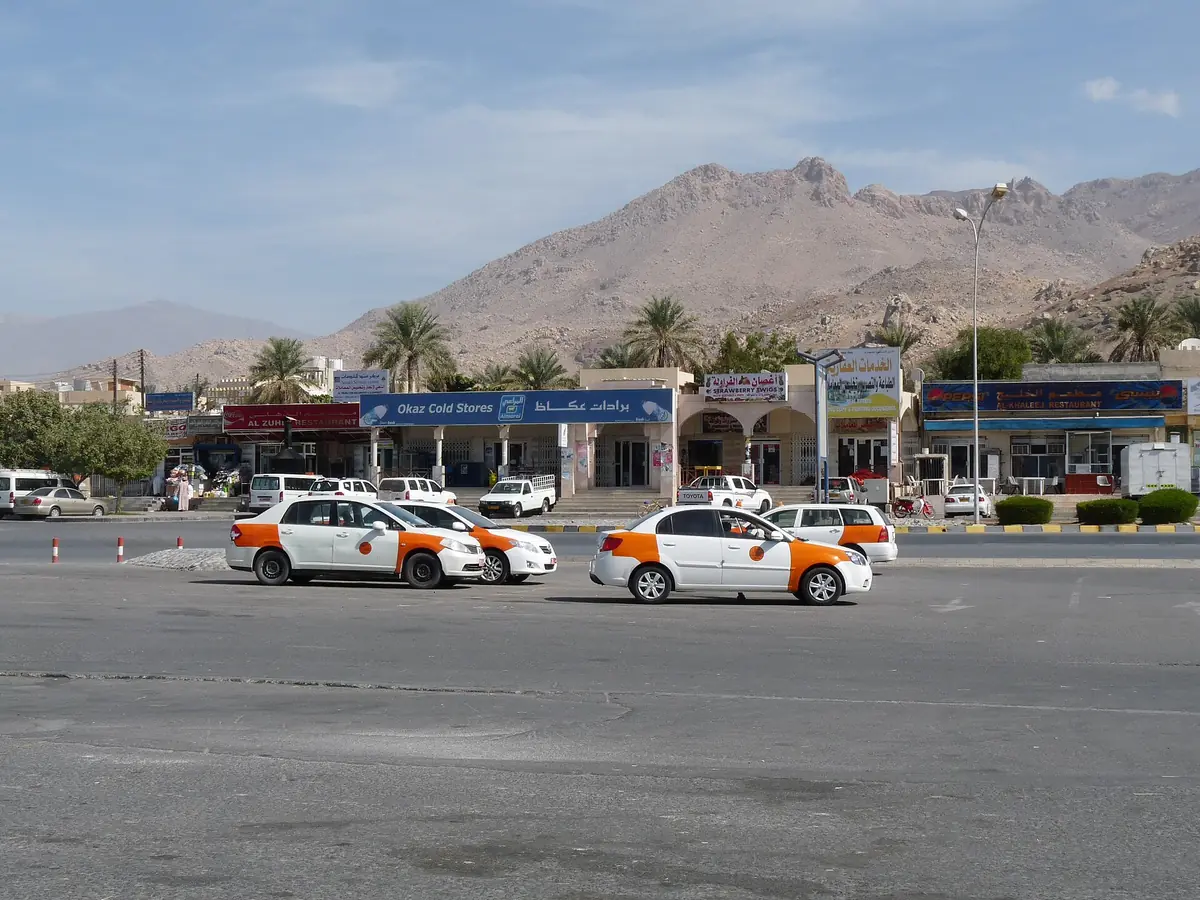
At Muscat International Airport, taxis are booked through the airport taxi office in the public arrivals hall and wait just outside the terminal; drivers are required to use the meter. Canada calls Oman's taxis generally safe, but advises using only officially marked ones and insisting on the meter or agreeing the fare first. The Ministry of Heritage and Tourism names Oman Taxi and Otaxi, alongside Mwasalat buses, among the local transport options. The car-hire desks in arrivals are open 24 hours if you are driving yourself. The transport guide covers the airport buses and car hire.
Driving the loop on your own
Many visitors see Oman by hire car, and the main highways are good. Plan every day to end before dark. Outside Muscat, camels, goats and other livestock roam free and cross the road without warning, and lighting is poor. France and Canada both ask for particular care after nightfall, Canada tells all travellers not to travel alone after dark, and Germany advises against driving outside Muscat after dark. In a serious accident, stay with the car and call the Royal Oman Police on 9999; drink-driving is illegal. Keep a charged phone and water in the car, and leave your route with someone.
For the desert and the wadis, a guided tour from Muscat is the easiest way to go alone: a four-wheel-drive day trip to the Wahiba Sands, or a two-day tour that pairs Wadi Shab with the turtle walk at Ras al Jinz. If you drive yourself, keep off the sand and the mountain tracks on your own. The UK says such trips can be dangerous unless you are in a well-equipped four-wheel drive, and advises travelling in convoy where possible with water, a phone and your plans left with friends; Canada says to go off-road only in a convoy of four-wheel drives with an experienced guide.
Desert camps, wadis and the turtle beach
Book the camp's transfer from the highway when you book the night, because the last stretch is on sand; the UK advises a four-wheel drive for desert driving. Book camel rides and dune drives through the camp rather than with someone at the roadside. Our where-to-stay guide compares the camps.
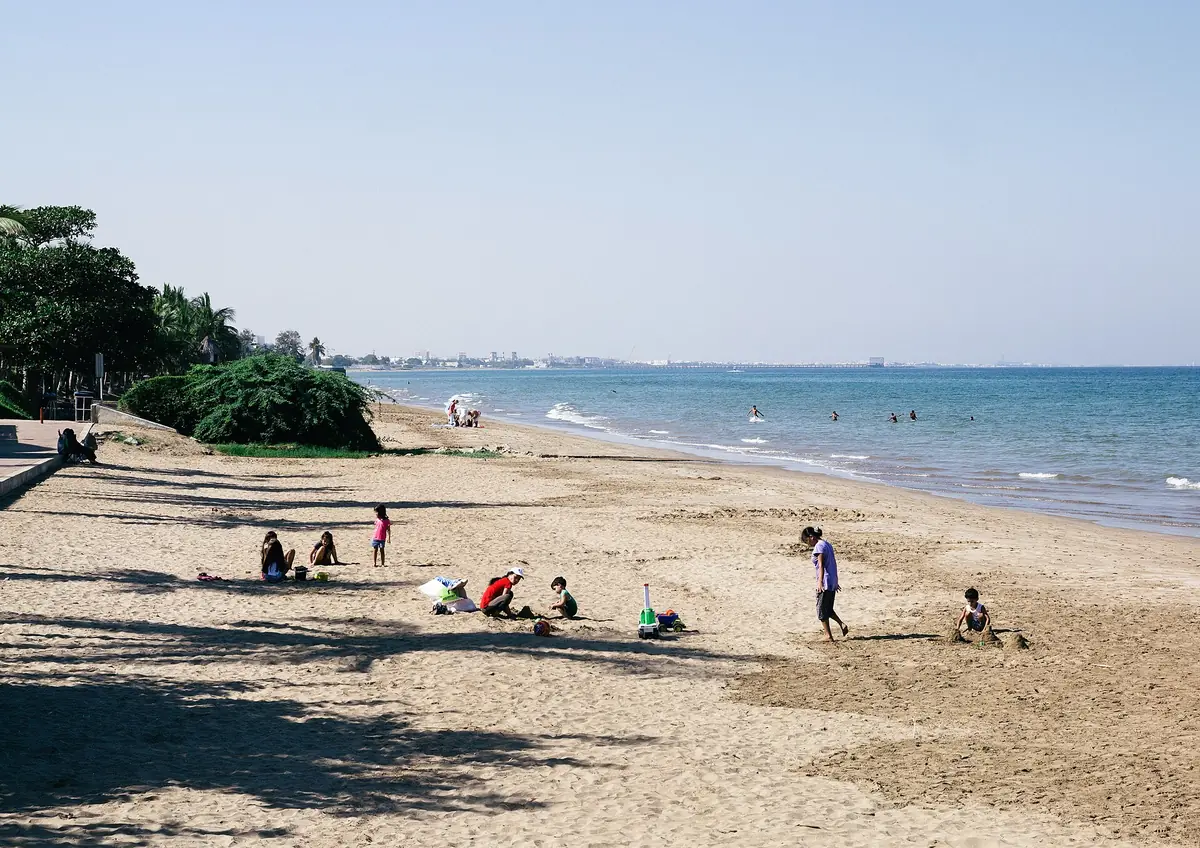
Wadis are public places. Swimwear and beachwear are for tourist beaches and pools only, so in a wadi swim in clothes that cover you, such as leggings and a T-shirt. Wadis flash-flood after heavy rain, so go in daylight and keep out of any wadi when heavy rain is forecast and for at least a day afterwards. At Wadi Shab, the swim to the cave needs basic swimming; walk in with other visitors rather than alone.
At Ras al Jinz, sleep in the reserve's own rooms: the evening walk from 21:00 and the dawn walk are included in the rate, and you walk back to your room instead of driving in the dark. The reserve's timings may change with the season. Our Sur and Ras al Jinz guide has the rooms and tickets.
What to wear in town, at mosques and in Ramadan
In public, malls included, the UK asks visitors to dress modestly: clothing should cover the tops of the arms and the legs to below the knee, and tight-fitting clothes attract attention. France gives the same rule to men and women: shoulders and knees covered, nothing short or low-cut. Loose trousers or a long skirt and a top with sleeves work for a day in Muscat, Nizwa or Sur; carry a light scarf as well.
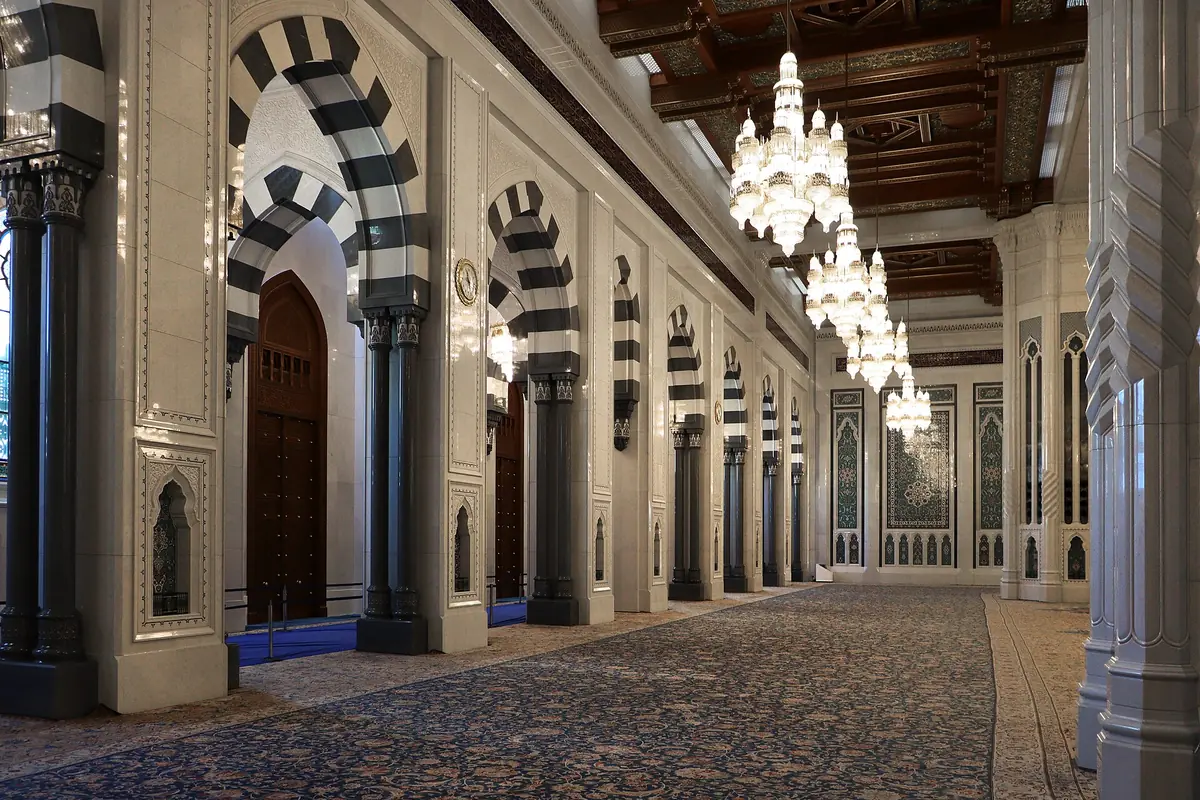
At the Sultan Qaboos Grand Mosque, women cover their hair as well as their shoulders and knees; abayas and headscarves are available at the entrance. Non-Muslim visitors are welcome Saturday to Thursday from 08:30 to 11:00, and the visit costs OMR 8. During Ramadan a ministry decree requires discreet clothing that covers the body, and eating, drinking and smoking in public by day are banned for everyone.
Your room, the law and your passport
Research the location of your room before you book, lock the door when you are inside, use the spy hole or chain before opening to a visitor you did not expect, and consider a door wedge, the UK's solo-travel advice says. Leave your itinerary with someone at home and agree how often you will be in touch. Alone, you pay for the whole room and the whole car. At the budget level of our Oman trip cost guide, that takes the seven-day loop from about OMR 215 per person for two sharing to about OMR 330 for one, before fuel.
Sharing a hotel room with a man you are not married or closely related to is illegal, and public displays of affection are frowned upon. Do not photograph people without their permission. Carry a copy of your passport's photo page and keep the original somewhere safe. If you feel threatened, the UK advises you to draw attention to yourself by shouting: being safe matters more than being polite.
If something happens
Call 9999 for an ambulance, the fire service or the police. Then call your insurer's emergency line and your embassy. Canada reports that women have been detained when reporting a sexual assault: sex outside marriage is a crime, so a woman must prove it was not consensual to avoid being charged herself. If you are assaulted, contact your embassy or consulate as early as you can, so that consular staff can support you through any report. The health and safety guide covers hospitals, insurance and what to do if the regional situation changes while you are there.
Practical questions
Is Oman safe for a woman travelling alone?
The UK says attacks on foreigners, including sexual assault, are relatively rare but happen, and asks for care when alone at night. Canada says women travelling alone may face harassment and verbal abuse.
How do I get from Muscat airport at night?
Take a taxi booked at the airport taxi office in the arrivals hall; drivers must use the meter. Better still, arrange a transfer with your first hotel before you fly.
Can I drive around Oman alone as a woman?
Yes, on the main highways and in daylight, because livestock wander onto the roads and lighting is poor. Never drive into the desert or onto mountain tracks alone.
What should women wear in Oman?
Clothes that cover the shoulders and the legs to below the knee, not tight-fitting; swimwear only at tourist beaches and pools. At the Sultan Qaboos Grand Mosque, women also cover their hair, and abayas and scarves are available at the entrance.
What is the emergency number in Oman?
9999, for ambulance, fire and police.
Keep planning your trip
Health and safety in Oman
Where governments draw lines in Oman, what regional tension means for flights, flash floods in the wadis, camels and night roads, insurance, vaccines, 9999 and the laws.
Read the guide
First trip to Oman
Choose seven days or ten for Muscat, Nizwa, the mountains, the Wahiba Sands and Sur: the nights, the hire car, the season, entry and an all-in budget.
Read the guide
Entering Oman
Which passports enter Oman visa-free for 14 days, what to show at the border, when you need the OMR 20 e-visa, what customs allows, and the road crossings from the UAE.
Read the guide
Transport in Oman
Get around Oman: a hire car from Muscat airport, when you need a 4x4, driving the Nizwa–Wahiba–Sur loop, Mwasalat buses, taxis, and flights to Salalah and Khasab.
Read the guide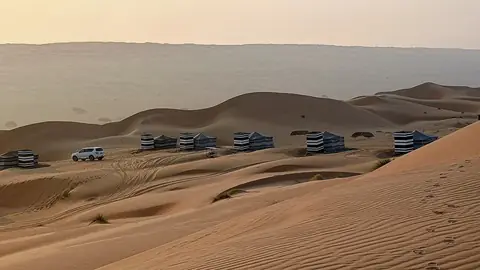
Wahiba Sands
A night in the Wahiba (Sharqiyah) Sands: choosing a camp, getting onto the sand from Al Wasil, Wadi Bani Khalid on the way, and how to plan the night.
Read the guideWhere to stay in Oman
Which part of Muscat to sleep in, how many nights in Nizwa, on Jebel Akhdar, in a Wahiba Sands camp and in Sur, and three hotels at each base from budget to upper.
Read the guideSources and checks before you travel
(16)
- Government of Canada: Oman travel advice (last updated 6 August 2026) ↗ — opens in a new tab
- UK Foreign Office (FCDO): Oman safety and security ↗ — opens in a new tab
- UK Foreign Office (FCDO): Oman getting help ↗ — opens in a new tab
- UK Foreign Office (FCDO): Advice for women travelling abroad (updated 8 September 2026) ↗ — opens in a new tab
- UK Foreign Office (FCDO): Solo and independent travel ↗ — opens in a new tab
- France Diplomatie: Oman, practical information (French) ↗ — opens in a new tab
- German Federal Foreign Office: Oman travel and safety advice (German) ↗ — opens in a new tab
- Muscat International Airport: To and from the airport ↗ — opens in a new tab
- Experience Oman (Ministry of Heritage and Tourism): Ways to reach ↗ — opens in a new tab
- Experience Oman (Ministry of Heritage and Tourism): Sultan Qaboos Grand Mosque ↗ — opens in a new tab
- Experience Oman (Ministry of Heritage and Tourism): Key contacts ↗ — opens in a new tab
- Experience Oman (Ministry of Heritage and Tourism): Wadi Shab ↗ — opens in a new tab
- Ras Al Jinz Turtle Reserve: Turtle Viewing ↗ — opens in a new tab
- Diwan of Royal Court: Sultan Qaboos Grand Mosque ↗ — opens in a new tab
- Ras Al Jinz Turtle Reserve: Accommodation ↗ — opens in a new tab
- The National Museum: FAQ ↗ — opens in a new tab
Reference sources for the version dated 28 November 2026. Confirm opening times, access, transport and conditions for your travel dates.
Photo credits
(4)
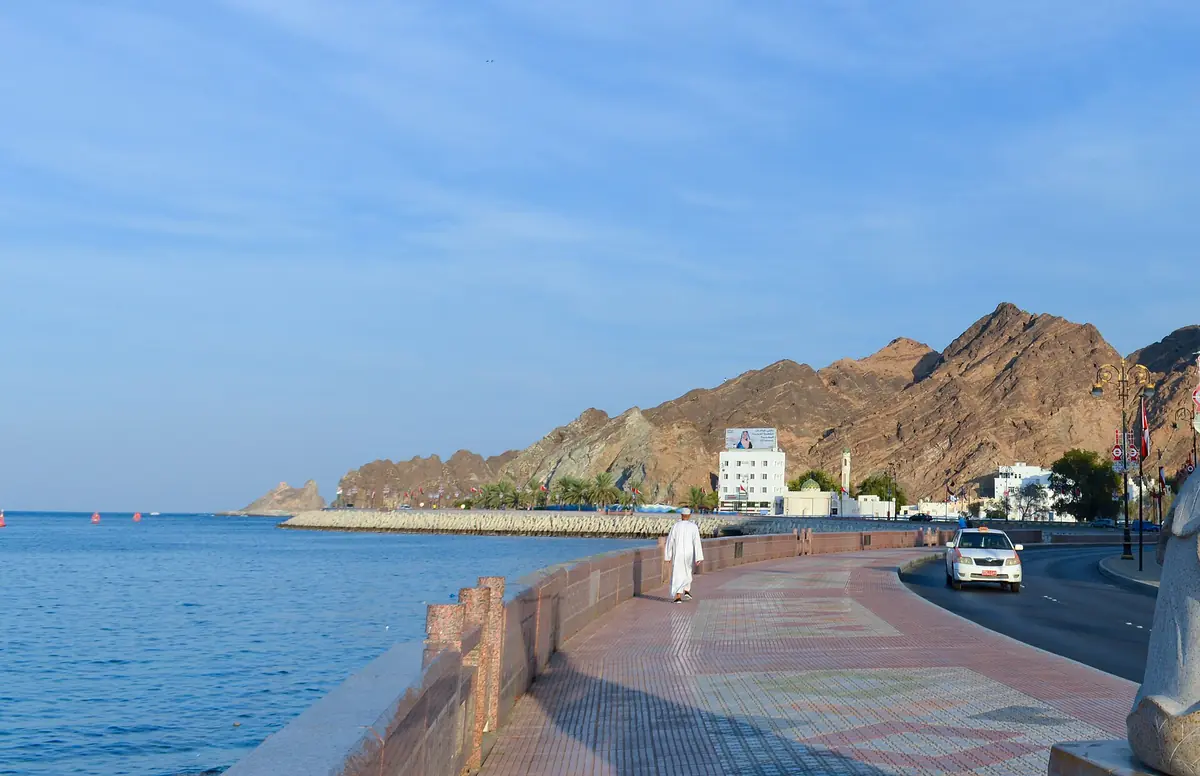
The Mutrah Corniche in Muscat on a clear morning
Photograph: https://www.flickr.com/photos/fran001/ — opens in a new tab · CC BY 2.0 — opens in a new tab
Changes: Resized and converted to WebP; displayed with responsive crops. · Original photograph and licence details ↗ — opens in a new tab
Orange-and-white taxis in Nizwa
Photograph: Ji-Elle — opens in a new tab · CC BY-SA 3.0 — opens in a new tab
Changes: Resized and converted to WebP; displayed with responsive crops. · Original photograph and licence details ↗ — opens in a new tab
An arcade inside the Sultan Qaboos Grand Mosque in Muscat
Photograph: Francesco Bini — opens in a new tab · CC BY-SA 4.0 — opens in a new tab
Changes: Resized and converted to WebP; displayed with responsive crops. · Original photograph and licence details ↗ — opens in a new tab
Qurum Beach, one of Muscat's tourist beaches
Photograph: Juozas Šalna — opens in a new tab · CC BY 2.0 — opens in a new tab
Changes: Resized and converted to WebP; displayed with responsive crops. · Original photograph and licence details ↗ — opens in a new tab