Plan your trip
Morocco entry: visa-free stays, passport rules, cash limits and customs
Entry to Morocco is simple for most Western passports: no visa for a tourist stay of up to 90 days and a stamp at the border. What catches travellers out is smaller: a passport too close to its expiry date, a damaged passport, a missing entry stamp, a drone in the luggage, or the MAD 2,000 limit on Moroccan cash in or out. This guide takes them in the order you meet them, from the booking to the border.
In this guide
Find the location ↗ — opens in a new tabThe short answer
UK, US, Canadian, Australian and EU passport holders can visit Morocco for tourism without a visa for up to 90 days. Travel on a passport valid for at least six months after the day you leave Morocco: that meets the UK, US, German and Canadian rules. Germany says travellers with only an identity card are turned back, so travel on your passport. You may carry at most MAD 2,000 in dirham banknotes in or out of Morocco. Declare foreign currency worth MAD 100,000 or more to customs on arrival, whatever you plan to do with it, and keep the form for your departure. Leave the drone at home. If your passport is not on Morocco's visa-free list, check the e-visa portal before you book anything else.
- Key point
- Entry planning before you book; choose the length of stay in the first-trip guide
- Where it applies
- Arrive at Marrakech, Casablanca, Fes or Tangier by air, or at Tangier by ferry from Spain
- Timing
- The rules apply all year. Ramadan is expected to begin on or around 8 February 2027; outside the tourist centres, some restaurants close in the daytime.
Compare country by country: Middle East entry requirements at a glance →
Who can enter without a visa
Ordinary passports from the UK, the US, Germany and Canada, among many others, can enter Morocco for tourism without a visa for up to 90 days. Morocco's foreign ministry publishes the list of visa-exempt nationalities, among them every EU country, Switzerland, Norway, Australia and New Zealand.
To stay longer than 90 days, you need an extension from the foreigners' section of the local police station. Canada advises asking at least 15 days before your 90 days end. Germany warns that overstaying is an offence: people who overstay are stopped at departure and must settle their case with the border police.
Passports that are not visa-free need a visa before travel. Morocco's foreign ministry runs an e-visa portal, Accès Maroc (acces-maroc.ma). Before you apply, the portal checks your eligibility from your nationality, country of residence and passport type, and it shows the fee and the average processing time in working days before you pay, so apply as soon as your dates are fixed. If you are not eligible, apply at a Moroccan consulate.
Passport validity, the stamp and damaged passports
Rules differ by nationality. The UK asks for a passport that expires at least three months after the day you arrive; the US asks for six months' validity at entry and one blank page; Germany asks for six months at entry; and Canada asks for six months beyond the day you plan to leave. A passport valid for six months after your departure date meets all of them.
Germans cannot enter with an identity card, even on a charter flight or a group tour, and are sent back on the next flight. Morocco has also refused entry to travellers whose passports were damaged or whose machine-readable line was incomplete. Replace a worn passport before you go.
Check that the officer stamps your passport when you enter. Travellers without an entry stamp have had difficulty leaving the country. You cannot leave Morocco on an expired passport. If your passport is lost or stolen, report the loss to the police in the city where you lost it. To leave the country, you then need the police report and an emergency travel document from your embassy.
Cash, the closed dirham and the declaration
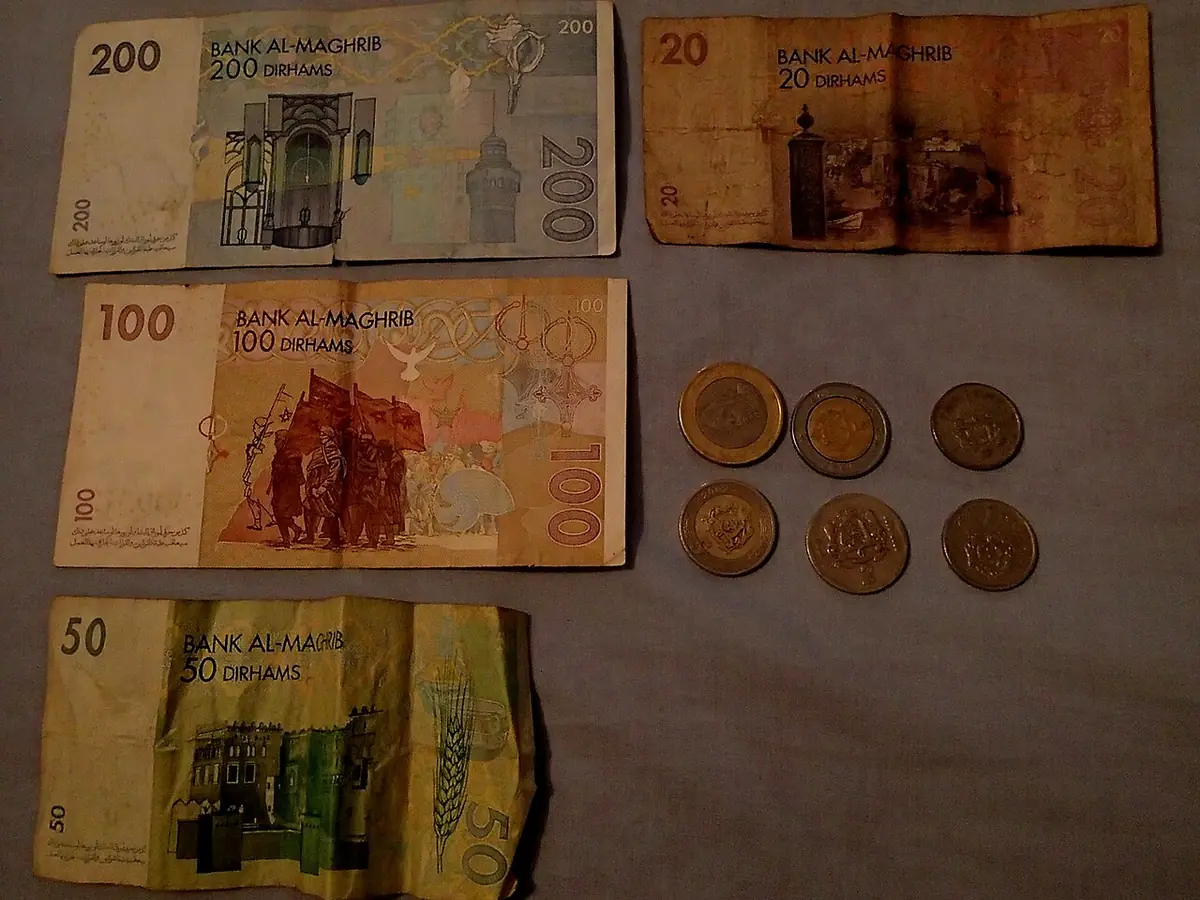
The Moroccan dirham (MAD) is a closed currency, so you cannot easily buy it abroad or change it back at home. Bring euros, pounds or dollars, or use your card at an ATM after arrival. You may take at most MAD 2,000 in dirham banknotes into or out of Morocco. Spend or change your last dirhams before you leave. Keep your exchange receipts, because a bank asks for them when you change leftover dirhams back.
Foreign currency worth MAD 100,000 or more, about GBP 8,000, must be declared to customs when you arrive. This applies even if you plan to spend it all in Morocco. Keep that declaration: when you leave, it shows customs where the money came from. Below MAD 100,000 a declaration is optional, but it helps if you expect to take a large sum out again. Cards are widely accepted in tourist areas, but small hotels, shops and remote places often take cash only. The money guide covers ATMs, exchange offices and tipping.
Prices and times checked 29 November 2026
Customs: drones, medicines, plants and drugs
Leave the drone at home. Moroccan customs ban the import of drones unless you hold an import licence from the ministry in charge of foreign trade. Without that licence, the drone is held at customs for up to 45 days and then treated as abandoned. The UK adds that flying a drone needs permission from Morocco's civil aviation authority; without permission, you risk a fine and confiscation. In practice there is no simple way to bring a drone in as a tourist.
Your personal belongings enter duty-free, and so do gifts of no commercial character up to a total value of MAD 2,000. Each adult may also bring 200 g of tobacco, one litre of wine, one litre of spirits, 150 ml of perfume and 250 ml of eau de toilette. You must declare anything that may be prohibited or subject to duty. Some plants and plant products are banned. Others need a phytosanitary certificate and an inspection at the border. Medicines for your own use enter duty-free if you show the prescription or a medical certificate. You also sign an undertaking to use them only yourself and to take any left over home. Possessing drugs, even a very small amount, is a criminal offence, with prison sentences of up to ten years.
Vaccines and health papers
No yellow fever certificate is required. A certificate of polio vaccination is required only from travellers arriving from a polio-affected country. Hepatitis A vaccination is recommended for all travellers who have not had it, and your routine vaccines, including tetanus, should be up to date.
Rabies is present, and stray dogs are common in towns and cities. Do not feed or touch them, and get medical help at once after any bite or scratch. Rabat, Casablanca, Marrakech, Tangier and Fes have good private clinics. Care in the countryside is more limited, so take out travel insurance that covers medical evacuation. The health and safety guide covers water, heat and the desert.
Arriving by air
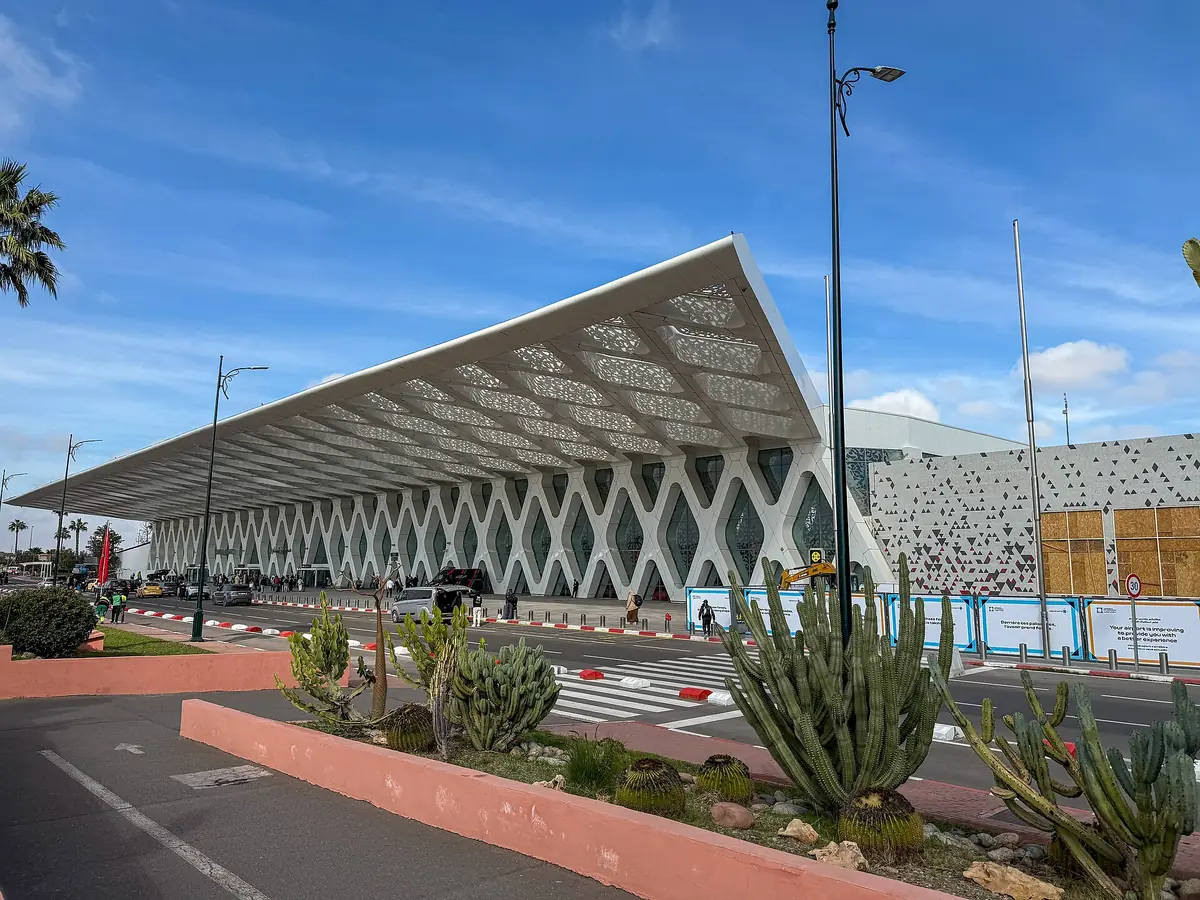
Most visitors fly into Marrakech Menara (RAK), Casablanca Mohammed V (CMN), Fes–Saïss (FEZ) or Tangier (TNG). Choose the airport for the city where you will spend your first nights: Marrakech for the south and the desert, Fes for the north and the desert from the other side, and Casablanca for the train north to Rabat and Tangier.
Immigration and customs come first, then the arrivals hall, where you can take a taxi or a shuttle bus or meet a transfer booked through your riad or hotel. The transport guide covers the trains and buses into town and between cities.
Arriving by ferry from Spain
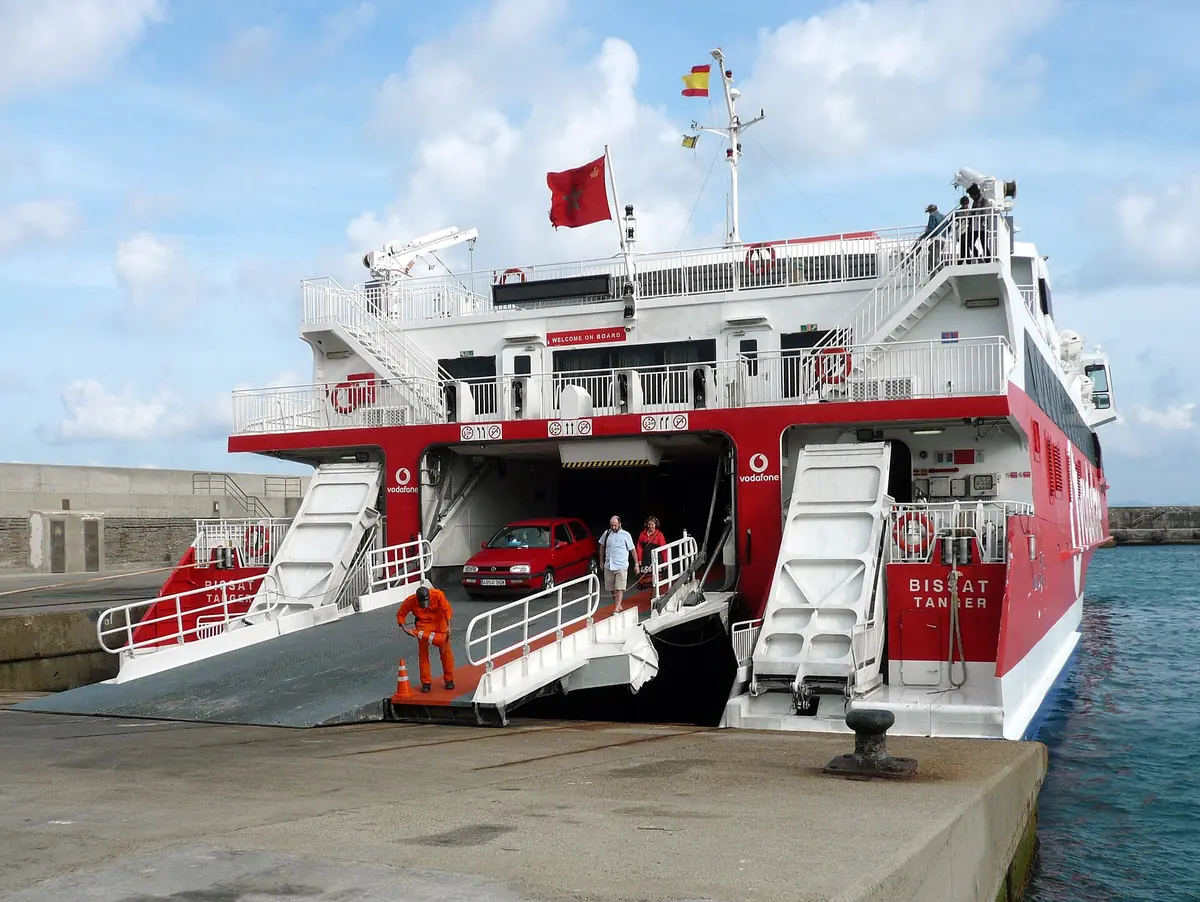
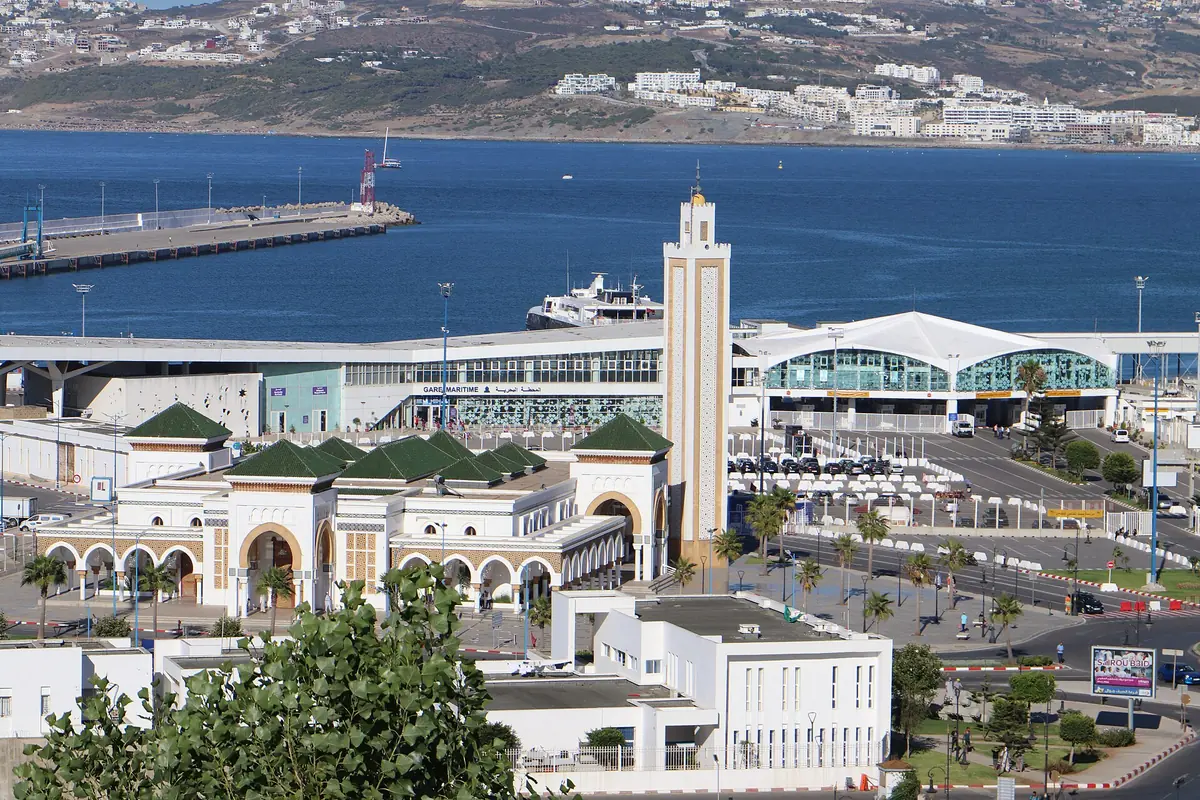
Ferries cross the Strait of Gibraltar from Spain to Morocco. From Tarifa they sail to Tanger Ville, the port in the city of Tangier. DFDS ended its Tarifa–Tanger Ville service on 4 May 2025. Baleària runs the crossing now: you can book on its website before you travel, or buy at the ticket offices in the port of Tarifa's passenger terminal. From Algeciras they sail to Tanger Med, a separate port outside the city with its own train station, a bus station and taxis into Tangier, and to Ceuta, a Spanish city on the African coast, where you enter Morocco at the land border. Arriving by sea, you show your passport and pass customs as at an airport, with the same cash limits. On crossings to Tanger Med, police stamp passports on board during the crossing.
DFDS sails Algeciras–Tanger Med in about 1 hour 30 minutes, with at least 11 crossings a day, and Algeciras–Ceuta in about 1 hour. Arrive at the port at least 90 minutes before departure, as DFDS recommends. If you bring your own car, carry a green card from your insurer. On the Tanger Med crossing, customs records the car's temporary admission on board, and you must leave Morocco in the same car, because the authorities record its registration when you enter. Whichever way you bring a car in, by sea or over the land border at Ceuta, Germany warns that it must leave Morocco with you: otherwise you are refused exit and face heavy customs fines.
Prices and times checked 29 November 2026
Borders to avoid: Algeria and Western Sahara
The land border between Morocco and Algeria has been closed since 1994, and crossing it without authorisation is illegal. Canada advises against all travel within 20 km of the Algerian border and in the border regions around the Berm, the militarised boundary in Western Sahara, and against non-essential travel to the rest of Western Sahara. The UK advises against all travel within 40 km north and west of the Berm, including Es Semara, and south and east of it. Other governments draw their own lines: our health and safety guide sets them out, and your own government's page is the one to follow.
Carry your passport, or at least a copy, at all times. Never send a passport by post to or through Morocco: the authorities confiscate passports sent that way.
Practical questions
Do I need a visa for Morocco as a British, American or EU citizen?
No, not for a tourist stay of up to 90 days. Your passport should be valid for six months after you leave, and the officer should stamp it when you enter.
How long must my passport be valid?
It depends on your nationality: three months after arrival for UK passports, six months at entry for US and German passports, and six months beyond departure for Canadian passports. Six months after your departure date covers all of them.
Can I enter Morocco with an ID card?
No. Germany says travellers with only an identity card are refused at the border and sent back, even on charter flights.
How much cash can I bring?
At most MAD 2,000 in dirham banknotes, in or out. Foreign currency is unlimited, but you must declare it on arrival if it is worth MAD 100,000 or more.
Can I bring a drone to Morocco?
Not without an import licence from Morocco's foreign trade ministry. Without one, customs hold the drone for up to 45 days and then treat it as abandoned.
Can I enter Morocco from Algeria?
No. The land border is closed and crossing it is illegal. Arrive by air or by ferry from Spain.
Which vaccinations do I need for Morocco?
No vaccine is required for most travellers. Arrivals from polio-affected countries must show proof of polio vaccination. Hepatitis A vaccination is recommended for all travellers.
Keep planning your trip
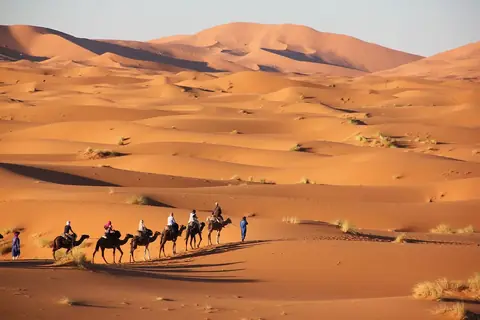
First trip to Morocco
Choose seven days or ten for Marrakech, the Sahara at Merzouga and Fes: the order of the cities, the desert road, the season, entry, cash and the medina basics.
Read the guide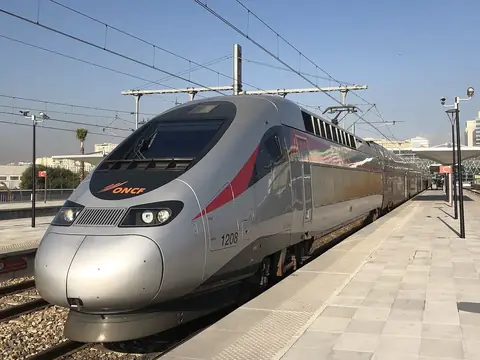
Transport in Morocco
How to get around Morocco: Al Boraq and ONCF trains, CTM coaches to Chefchaouen and the south, grands taxis, drivers, car hire, flights and city trams.
Read the guide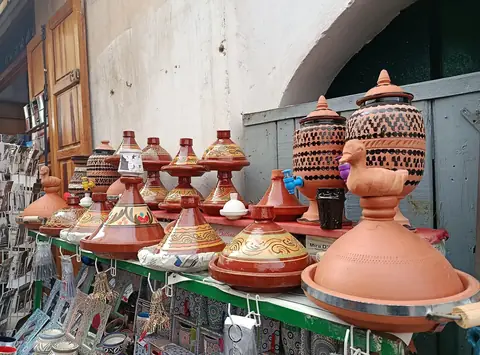
Money and payments in Morocco
Paying in Morocco: the MAD 2,000 cash limit, where to change money and change it back, cards and ATMs, ticket prices and the VAT refund.
Read the guide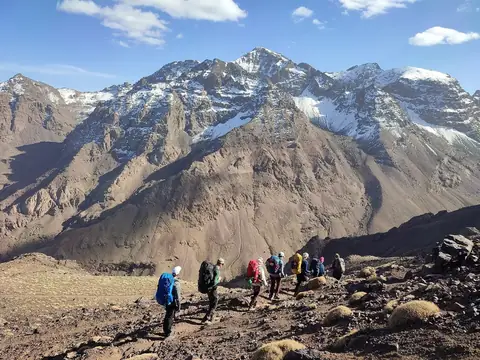
Health and safety in Morocco
Where governments draw lines in Morocco, false guides and scams, the numbers to save, clinics and insurance, vaccines, stray dogs, Toubkal, heat and the laws.
Read the guide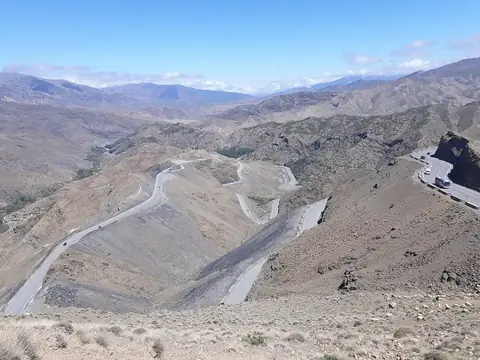
Morocco in 7 days
Seven days and six nights from Marrakech over the High Atlas to a desert camp at Merzouga and on to Fes: the nights, the desert tour and the riads.
Read the guide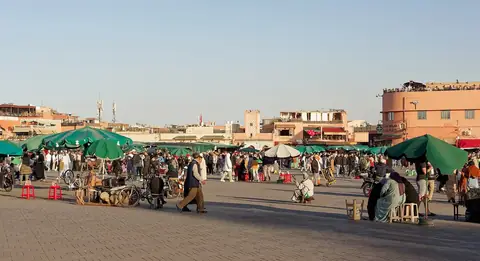
Marrakech
How many nights Marrakech needs, where to sleep in the medina, Jemaa el-Fnaa, the palaces and Majorelle, ticket prices and hours, and the day trips.
Read the guideSources and checks before you travel
(21)
- UK FCDO: Morocco entry requirements ↗ — opens in a new tab
- UK FCDO: Morocco safety and security ↗ — opens in a new tab
- UK FCDO: Morocco regional risks ↗ — opens in a new tab
- UK FCDO: Morocco health ↗ — opens in a new tab
- UK Health Security Agency, TravelHealthPro: Morocco ↗ — opens in a new tab
- US Department of State: Morocco international travel information ↗ — opens in a new tab
- Government of Canada: Morocco travel advice ↗ — opens in a new tab
- German Federal Foreign Office: Morocco travel and safety advice ↗ — opens in a new tab
- Accès Maroc: Moroccan e-visa portal ↗ — opens in a new tab
- DFDS: Algeciras–Tanger Med ferry ↗ — opens in a new tab
- Moroccan Ministry of Foreign Affairs (consulat.ma): visa-exempt nationalities ↗ — opens in a new tab
- Moroccan Ministry of Foreign Affairs: Visiter le Maroc ↗ — opens in a new tab
- Moroccan Customs (ADII): foreigners visiting Morocco ↗ — opens in a new tab
- Port Authority of the Bay of Algeciras: passengers ↗ — opens in a new tab
- Tanger Med Port Authority: passengers ↗ — opens in a new tab
- DFDS: ferries from Spain to Morocco ↗ — opens in a new tab
- UK Foreign Office (GOV.UK): Western Sahara travel advice ↗ — opens in a new tab
- DFDS: Tarifa–Tanger Ville ferry ↗ — opens in a new tab
- Diyanet (Turkey): 2027 religious days ↗ — opens in a new tab
- Office des Changes: Instruction générale des opérations de change 2026 (declaration of foreign currency) ↗ — opens in a new tab
- Baleària: Tarifa–Tanger Ville ferry ↗ — opens in a new tab
Reference sources for the version dated 29 November 2026. Confirm opening times, access, transport and conditions for your travel dates.
Photo credits
(5)
Terminal 1 at Marrakech Menara Airport
Photograph: 瑞丽江的河水 — opens in a new tab · CC BY-SA 4.0 — opens in a new tab
Changes: Resized and converted to WebP; displayed with responsive crops. · Original photograph and licence details ↗ — opens in a new tab
A ferry on the Tarifa–Tangier crossing
Photograph: Николай Максимович — opens in a new tab · CC BY 3.0 — opens in a new tab
Changes: Resized and converted to WebP; displayed with responsive crops. · Original photograph and licence details ↗ — opens in a new tab
Tanger Ville, the city port of Tangier, beside the port mosque
Photograph: Fatima ezzahra el bouabi — opens in a new tab · CC BY 4.0 — opens in a new tab
Changes: Resized and converted to WebP; displayed with responsive crops. · Original photograph and licence details ↗ — opens in a new tab
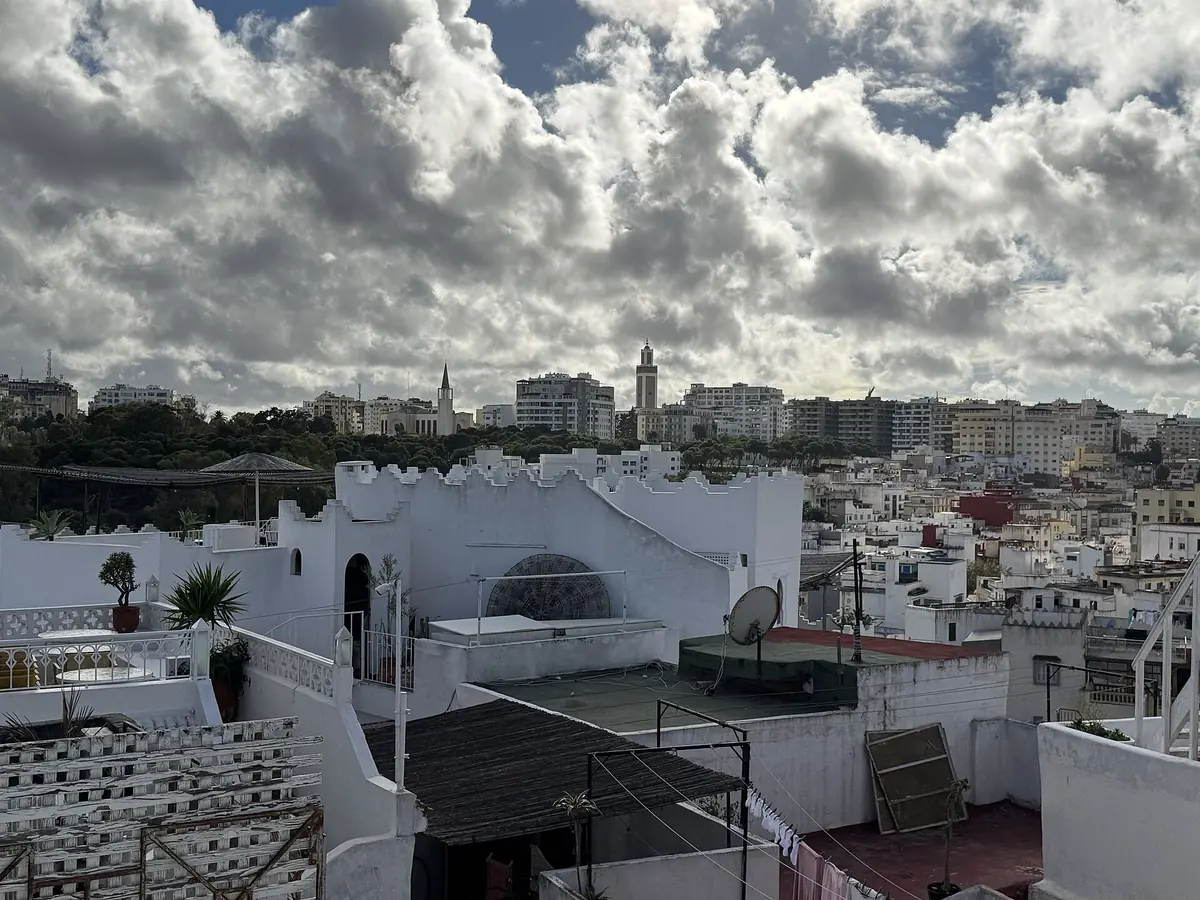
The Tangier medina, a walk from the ferry port
Photograph: Gugganij — opens in a new tab · CC BY-SA 4.0 — opens in a new tab
Changes: Resized and converted to WebP; displayed with responsive crops. · Original photograph and licence details ↗ — opens in a new tab
Moroccan dirham notes and coins
Photograph: Freepius — opens in a new tab · CC0 — opens in a new tab
Changes: Resized and converted to WebP; displayed with responsive crops. · Original photograph and licence details ↗ — opens in a new tab