Plan your trip
Best time to visit Turkey: weather, sea and holidays by month
Turkey's classic route crosses three climates in a week: the damp, mild winters and warm summers of Istanbul, the high, dry plateau of Cappadocia with its snowy winters and cool summer nights, and the hot Aegean and Mediterranean coasts. This guide rates each month for a seven- or ten-day trip through Istanbul, Cappadocia, Ephesus and Pamukkale with a few days on the Turquoise Coast, and adds the holidays that fill buses, flights and hotels.
In this guide
Find the location ↗ — opens in a new tabThe short answer
For the whole route, go in April–May or late September–October and book six nights (three in Istanbul, two in Göreme, one in Selçuk) on the seven-day plan. Add the Turquoise Coast from June to October, when the Mediterranean averages 23.9°C to 28.1°C. Book the domestic flights and the balloon first, then rooms. Book early if your dates touch Ramazan Bayramı (9–11 March 2027) or Kurban Bayramı (16–19 May 2027). The Ministry of Culture and Tourism's site tickets are priced in euros all year: the Göreme Open Air Museum is €20 and Ephesus €40, rising to €22 and €45 on 1 April 2027. The quietest months are November to March outside the holidays, with 2.2 to 2.8 million foreign visitors a month in 2025, against 7.1 million in July. July and August are also the hottest months at Ephesus and Pamukkale.
- Key point
- 7 days to 10 days on the Istanbul, Cappadocia and Aegean route
- Where it applies
- Istanbul, Göreme in Cappadocia and Selçuk, with Pamukkale and Fethiye on the ten-day route
- Timing
- April–May and late September–October suit the whole route; June to October is the sea season on the Turquoise Coast and June to September on the Aegean; July and August are the hottest months; December to February brings snow and the most balloon cancellations in Cappadocia.
The months that suit the whole route
Spring and autumn are the only seasons when Istanbul, Cappadocia and the Aegean are all comfortable at once. The table gives the long-term average daily highs and lows of the Turkish State Meteorological Service (MGM) for the four cities that stand for the regions of this guide: Istanbul, Nevşehir for Cappadocia, Izmir for Ephesus and Selçuk, and Antalya for the Turquoise Coast.
| City | January | April | July | October |
|---|---|---|---|---|
| Istanbul | 9.6°C / 4.2°C | 17.4°C / 9.2°C | 29.7°C / 20.5°C | 20.6°C / 13.7°C |
| Nevşehir (Cappadocia) | 4.0°C / -3.6°C | 16.0°C / 5.1°C | 28.5°C / 13.7°C | 18.3°C / 6.8°C |
| Izmir (Ephesus) | 12.5°C / 5.8°C | 21.0°C / 11.2°C | 33.3°C / 22.6°C | 24.1°C / 14.7°C |
| Antalya | 15.0°C / 6.1°C | 21.4°C / 11.3°C | 34.2°C / 22.9°C | 26.6°C / 15.4°C |
In April and May Istanbul's parks are green and the days warm up from 17.4°C to 22.3°C. Cappadocia is mild by day, though May is its wettest month, with an average of 57.9 mm of rain. In late September and October the coast is still warm enough to swim and the plateau has cool, clear mornings. From 1 April to 1 October the Göreme Open Air Museum keeps its summer hours, 08:00–19:00 (box office until 18:15), long enough for a valley walk and the frescoes on the same day. Its winter hours, 08:00–17:00 (box office until 16:15), start on 1 October.
Prices and times checked 28 November 2026
Istanbul: wet winters, warm summers
Istanbul has the gentlest climate of the route but the wettest winter. January averages 9.6°C by day and 4.2°C at night, with rain on about 16 days, and December is the wettest month at 99.2 mm. Winter still suits the city's mosques, museums and covered bazaars, and the ferries cross the Bosphorus all year.
July and August average 29.7°C by day and 20.5°C to 20.8°C at night, with rain on three or four days a month. The heat is manageable if you take the open courtyards and the old city in the morning, and the Sea of Marmara averages 24.2°C in August.
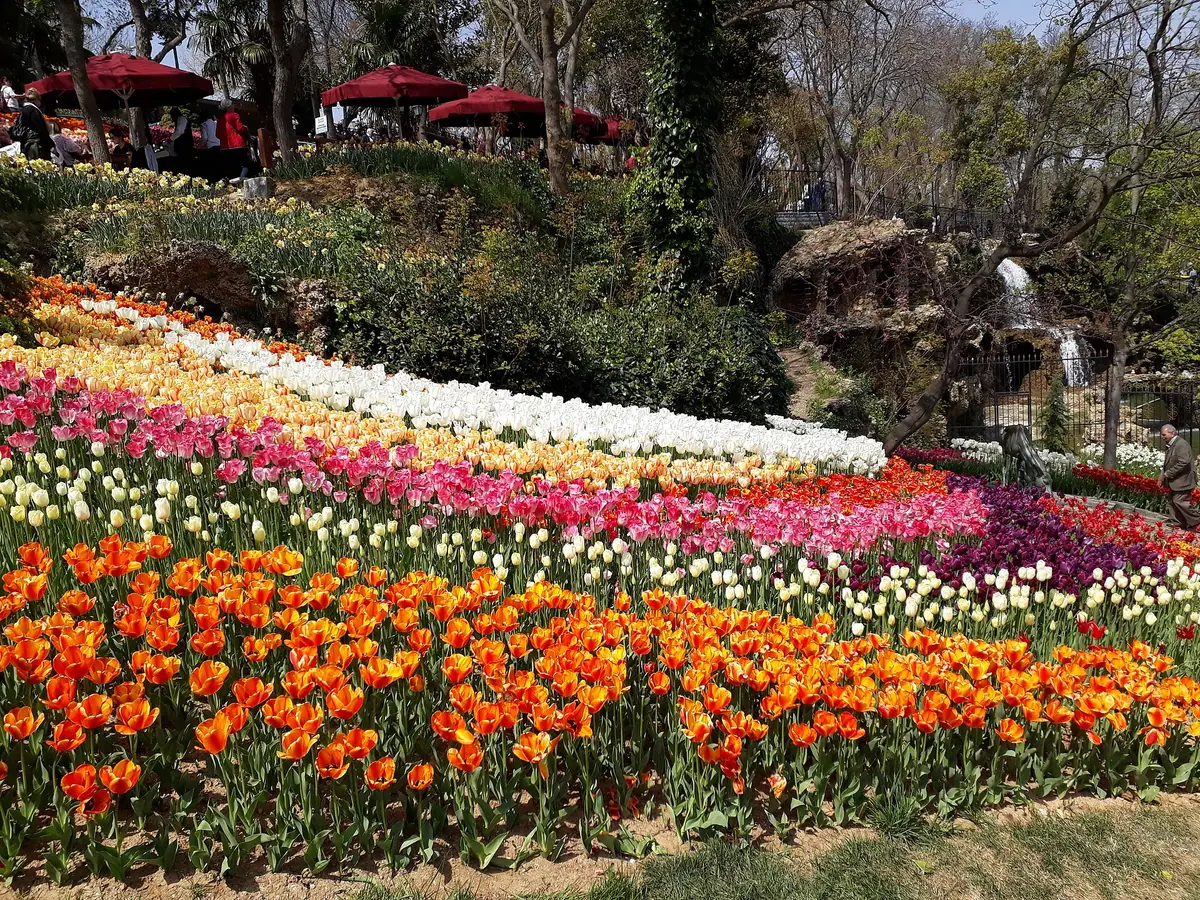
April is tulip season. The Istanbul Tulip Festival fills the city's historic parks for the month (in 2026 it ran from 1 to 30 April), with the main displays at Emirgan Park on the Bosphorus, Göztepe Park (Göztepe 60. Yıl Parkı) in Kadıköy and Gülhane Park below Topkapı. For a 2027 trip, plan an April morning in Istanbul and start at Emirgan. The city's film and music festivals follow in April and June; the festivals and events guide has their 2027 dates.
Cappadocia: snow, cool nights and balloon mornings
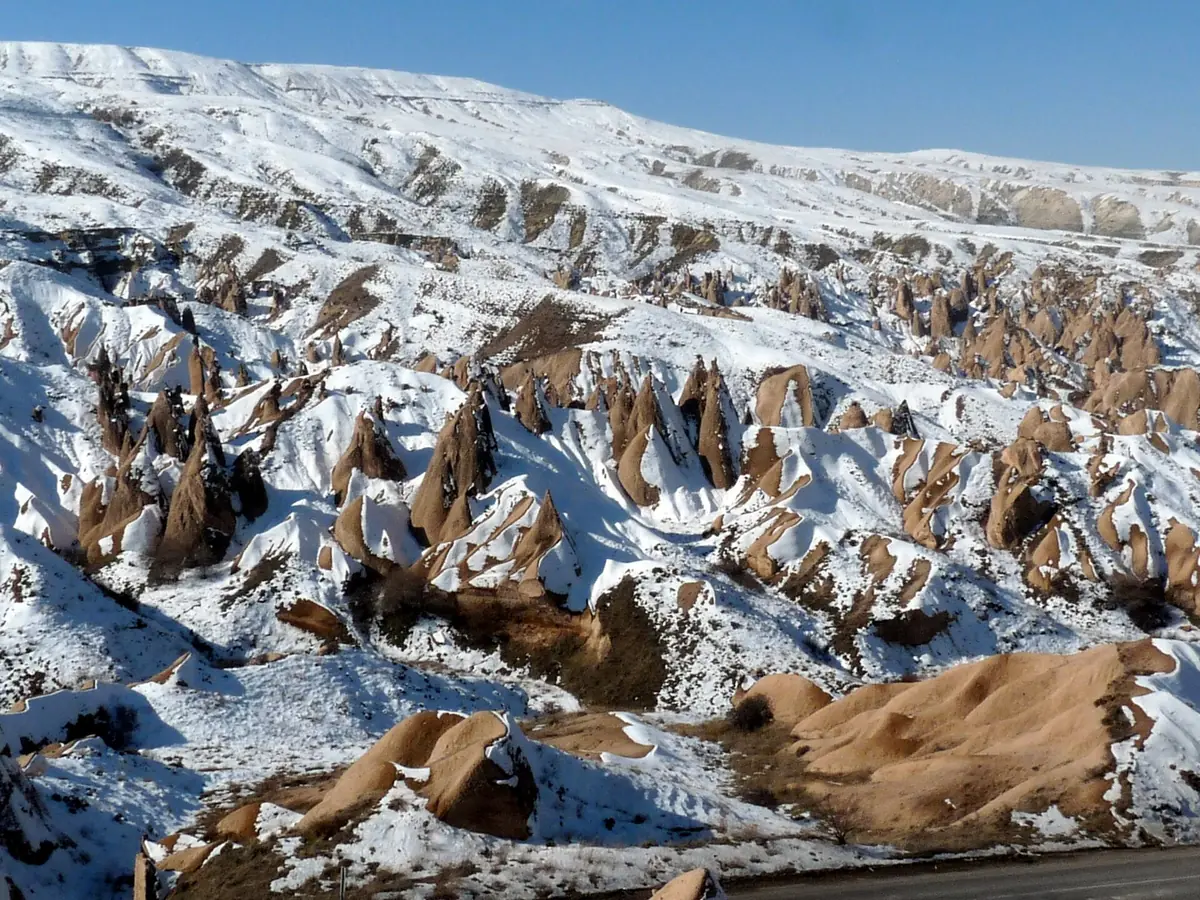
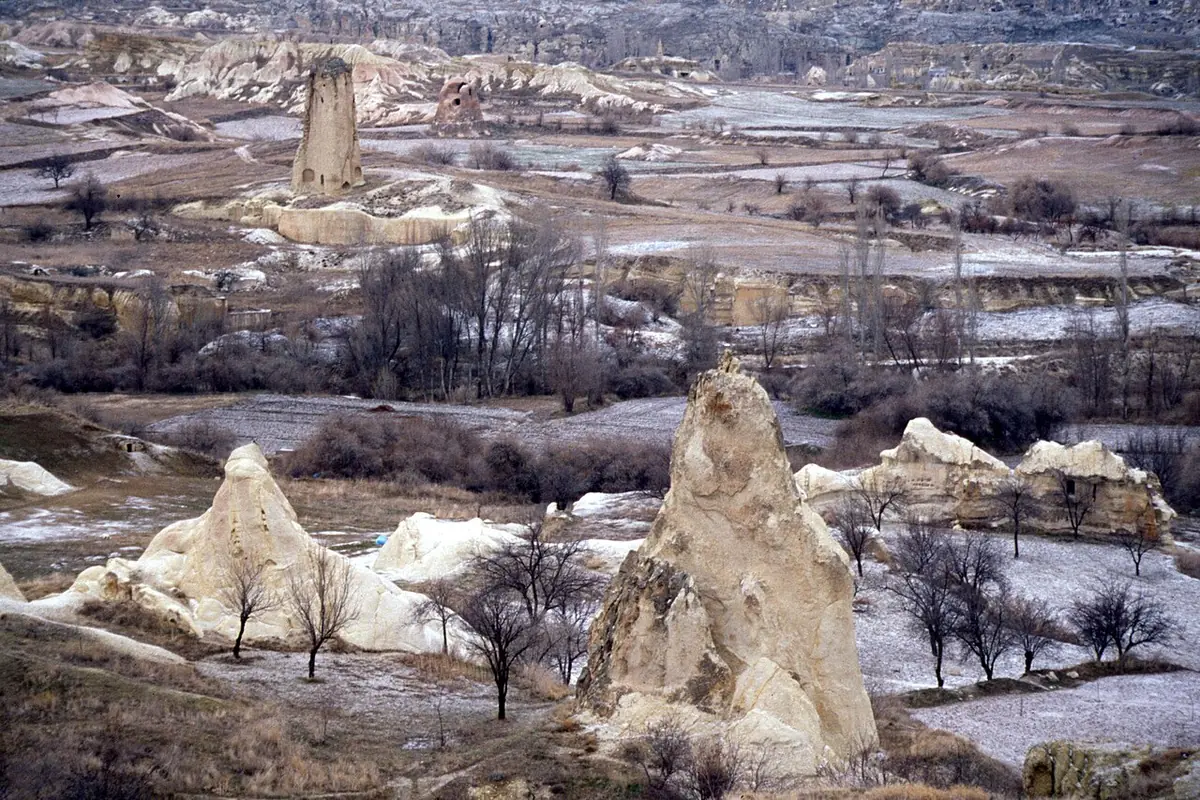
Cappadocia lies on the central plateau, and its seasons are sharper than the coast's. January averages 4.0°C by day and -3.6°C at night, so snow on the fairy chimneys is a real possibility from December to February, and the valley paths can be icy. July and August are dry, with 9.4 mm and 8.4 mm of rain, and warm by day at 28.5°C to 28.7°C, but nights drop to about 13.7°C, so bring a layer for the dawn balloon launch. For walking Pigeon, Love and Rose valleys, April–May and September–October are the comfortable months, with average highs of 16.0°C to 24.5°C and no midday heat.
Balloons fly all year, but only when the wind and visibility allow. Only operators licensed by the Directorate General of Civil Aviation (SHGM) may carry passengers, and each morning SHGM's Nevşehir office decides whether the weather is suitable for take-off. Cancellations are more likely in winter. In 2025, snow, wind and fog grounded the balloons for 18 days from 5 February, and in March 2026 wind and showers grounded them for six days from 17 March. On average, the weather allows flights on about 220 days a year. Book the flight for your first morning in Göreme, so that a cancelled flight can move to the second morning; the Cappadocia guide explains the bases and the flights.
Winter has its rewards: snow on the rock churches, quiet valleys and cave hotels with fires lit. The Göreme Open Air Museum keeps its shorter winter hours from 1 October, so start early in the short days.
Prices and times checked 28 November 2026
Ephesus and Pamukkale: start early in July and August
The Aegean summer is long, dry and hot. Izmir, the nearest city to Ephesus, averages 33.3°C by day in July with almost no rain, and has reached 43.2°C. Denizli, below the white travertines of Pamukkale, averages 34.8°C in July. The marble streets of Ephesus and the terraces of Pamukkale have little shade, so in high summer arrive at opening time. The ministry's pages give different hours for Ephesus: plan on 08:30 to 17:00 in winter (last tickets 16:30) and 08:00 to 18:00 the rest of the year, and check the day's hours on muze.gov.tr before you go.
From June to September the Aegean averages 22.1°C to 24.6°C, warm enough for a swim after the ruins. Winter is mild and wet, with Izmir's rain peaking at 145.8 mm in December: fine for the sites if you travel with a rain jacket, and Ephesus is far quieter. The Ephesus and Selçuk guide and the Pamukkale guide cover the sites.
Prices and times checked 28 November 2026
The Turquoise Coast: sea season and summer heat
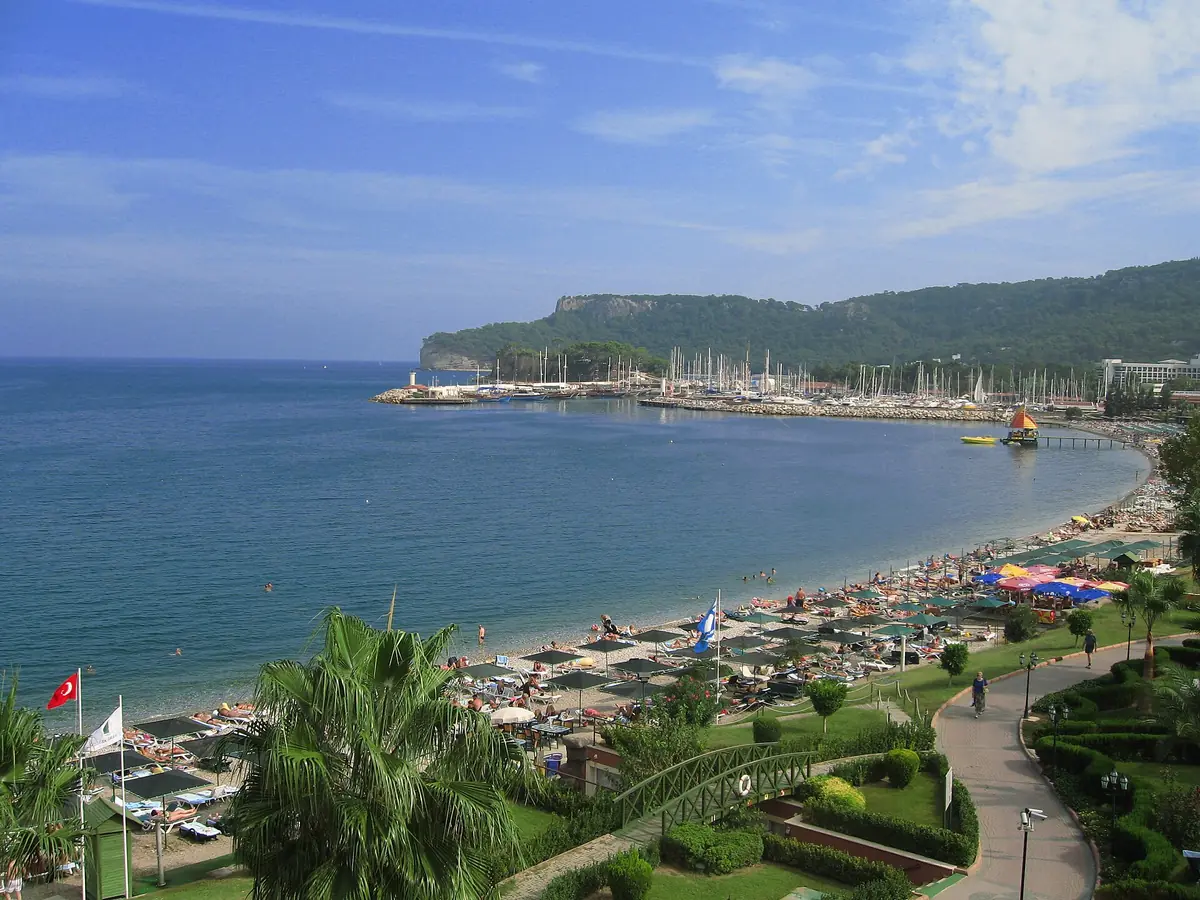
The Mediterranean coast from Fethiye to Antalya is warmest from June to October. MGM's long-term sea temperatures average 23.9°C in June, 26.7°C in July, 28.1°C in August, 27.0°C in September and 24.6°C in October; May (20.8°C) and November (21.4°C) are cooler. Antalya averages 34.2°C by day in July and 34.1°C in August and has reached 45.0°C, so plan boat trips and beaches for the middle of the day and ruins for the early morning.
Boat days follow the warm months. From Fethiye, Vigo Tours runs its 12-island boat trip from 1 May to 31 October 2027; from Kaş, its Kekova boat day runs from 1 April to 31 October 2027. Walk the Lycian Way, the long-distance path along this coast, in spring or autumn rather than in the 34°C days of July and August. Wildfires are frequent in summer, and some beaches have strong undercurrents: follow the directions of local authorities and the beach flags, and swim where there is a lifeguard. Winter on this coast is mild but wet: Antalya's rain peaks at 250.9 mm in December. The Fethiye guide and the Kaş guide cover the beaches and boats.
Holidays and school breaks that fill buses and flights
Turkey's two religious holidays follow the lunar calendar and move about eleven days earlier each year. In 2027 Ramadan runs from 8 February to 8 March. Ramazan Bayramı is 9–11 March 2027 and Kurban Bayramı 16–19 May 2027; each holiday starts at 13:00 on the day before. Buses, domestic flights and coast hotels fill first in the bayram weeks, so book them early. In 2027 the schools' spring break (8–12 March) falls in the same week as Ramazan Bayramı.
The 2027 half-term runs from 25 January to 5 February, and the summer holiday starts when the school year ends on 25 June 2027. Turkish families then join foreign visitors on the coast. July and August are the year's busiest months, with 7.1 and 7.0 million foreign visitors in 2025. During Ramadan, away from the tourist areas, eat, drink and smoke discreetly in public by day. The festivals and events guide lists every public holiday and what closes.
Month by month
January (hard): wet in Istanbul and snowy in Cappadocia, but the quietest month for foreign visitors (2.2 million in January 2025, the same as in February). The balloons lose many mornings to the weather, and Turkish schools are on half-term from 25 January.
February (hard): cold on the plateau, and winter is when balloons are grounded most often (18 days from 5 February 2025). Ramadan begins on 8 February 2027.
March (fair): spring starts and visitor numbers are still low, but Ramazan Bayramı (9–11 March 2027) and the school break (8–12 March) fall in its second week.
April (best): mild everywhere, tulips across Istanbul, the Göreme Open Air Museum on summer hours from 1 April; visitor numbers rise towards May.
May (best): warm days on the whole route; Kurban Bayramı (16–19 May 2027), the longer of the two bayrams, falls in mid-May.
June (good): the sea reaches 23.9°C on the Turquoise Coast; the coast fills after Turkish schools break up on 25 June.
July (hard for sightseeing, best for the sea): the hottest month at Ephesus and Pamukkale and the busiest month of the year, with 7.1 million foreign visitors in July 2025.
August (hard for sightseeing, best for the sea): as hot and busy as July, with the Mediterranean at 28.1°C.
September (best): warm sea, easing heat on the Aegean and crowds thinning after August; Cappadocia's walking season resumes.
October (best): clear days on the plateau and swimmable water on the coast; the Göreme Open Air Museum switches to winter hours.
November (good): quiet, with half as many foreign visitors as in October. Istanbul gets wetter, with 78.1 mm of rain on about 11 days, and the Mediterranean cools to 21.4°C.
December (hard): the wettest month in Istanbul and on the coasts, with snow possible in Cappadocia; quiet, with 2.7 million foreign visitors in December 2025.
What to book first
Book the domestic flights and the balloon first, then rooms. The seven-day plan flies from Istanbul to Cappadocia and from Cappadocia to Izmir. Istanbul to Kayseri is the easy leg: Pegasus flies between Sabiha Gökçen and Kayseri every day, in about 1 h 25. Kayseri–Izmir is the leg to search first: SunExpress flies it, and Pegasus sells two flights a week, which its route page says connect at Sabiha Gökçen. A balloon flight with Skyway Balloons, a licensed operator, costs about €65 to €180 a person on late-November dates, and its classic flight starts at €100 on other dates; Skyway shows its prices by date, so check yours when you book. Our transport guide compares flights, buses and trains, and the seven-day itinerary has the full route.
The areas that governments warn about lie in the far south-east, away from this route; our health and safety guide sets them out.
Practical questions
What is the best month to visit Turkey?
April, May, September and October rate best for a route through Istanbul, Cappadocia and Ephesus. For beach days on the Turquoise Coast, June to October has the warmest sea.
When is the low season in Turkey?
November to March, outside the holidays. In 2025 these months had 2.2 to 2.8 million foreign visitors each, against 7.1 million in July. The sites are quiet, but the coast is out of season. July, August and the bayram weeks are the busiest.
Is Turkey too hot in summer?
July and August average 33.0°C to 34.8°C by day at Izmir, Antalya and Denizli, so take Ephesus and Pamukkale at opening time. Istanbul is milder, at 29.7°C.
Does it snow in Cappadocia?
Yes, from December to February: nights average below freezing in all three months (-3.6°C in January), and Nevşehir's deepest recorded snow is 64 cm, on 2 February 1992. Balloons still fly on calm mornings, but winter loses the most flights to snow, wind and fog.
When can you swim in the sea in Turkey?
The Mediterranean averages 23.9°C in June and 24.6°C or more from July to October. The Aegean is cooler, at 22.1°C to 24.6°C from June to September, which is 1.8°C to 3.7°C below the Mediterranean in those months.
When are Ramadan and the bayrams in 2027?
Ramadan runs from 8 February to 8 March 2027, Ramazan Bayramı is 9–11 March and Kurban Bayramı 16–19 May 2027.
Keep planning your trip
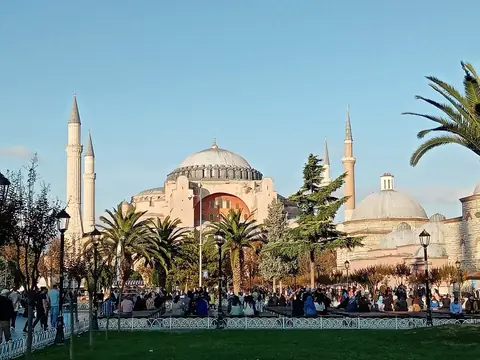
First trip to Turkey
Seven days or ten for Istanbul, Cappadocia, Ephesus, Pamukkale and Fethiye: nights per stop, the flights, which Museum Pass pays off and a daily cost.
Read the guide
Turkey festivals and events 2027
Turkey's 2027 calendar: Ramadan and the bayrams, national days, Anzac Day at Gallipoli, Istanbul's festivals, Aspendos and Konya's whirling dervishes.
Read the guide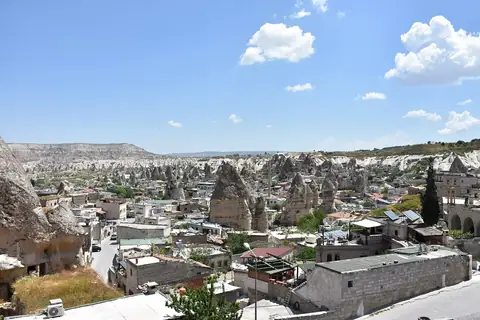
Turkey in seven days
A seven-day Turkey route with three nights in Istanbul, two in Göreme and one in Selçuk, two domestic flights, Ephesus on the last morning and an all-in cost for two.
Read the guide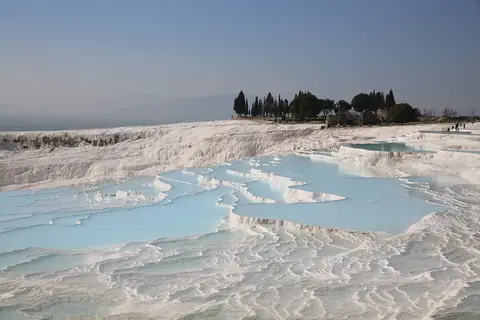
Turkey in ten days
A ten-day Turkey route: three nights in Istanbul, two in Göreme, two in Selçuk, one at Pamukkale and one in Fethiye, home from Dalaman, with an all-in cost.
Read the guide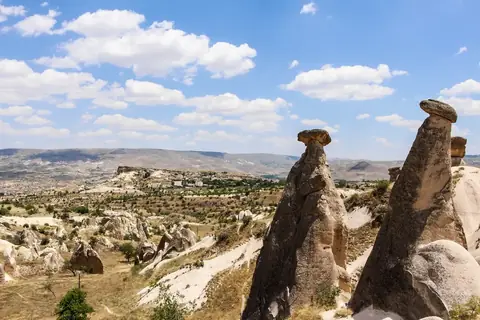
Cappadocia
Two nights in Cappadocia: Göreme, Ürgüp or Uçhisar as a base, balloon flights and cancellations, the Göreme Open Air Museum, underground cities and valley walks.
Read the guide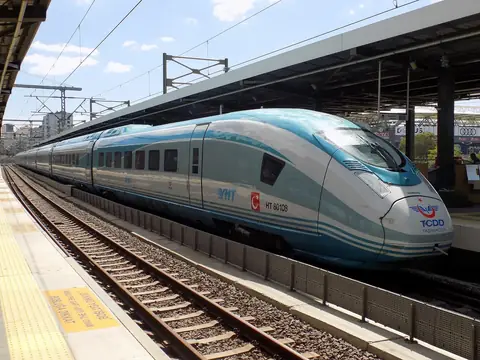
Transport in Turkey
How to cross Turkey on a first trip: which airlines fly to Cappadocia and Izmir, the İZBAN to Selçuk, overnight buses, fast trains, airport buses and car hire.
Read the guideSources and checks before you travel
(34)
- Turkish State Meteorological Service (MGM): Istanbul climate statistics ↗ — opens in a new tab
- Turkish State Meteorological Service (MGM): Nevşehir climate statistics ↗ — opens in a new tab
- Turkish State Meteorological Service (MGM): Izmir climate statistics ↗ — opens in a new tab
- Turkish State Meteorological Service (MGM): Antalya climate statistics ↗ — opens in a new tab
- Turkish State Meteorological Service (MGM): Denizli climate statistics ↗ — opens in a new tab
- Turkish State Meteorological Service (MGM): Mediterranean sea temperature analysis 2025 (PDF, Turkish) ↗ — opens in a new tab
- Turkish State Meteorological Service (MGM): Aegean sea temperature analysis 2025 (PDF, Turkish) ↗ — opens in a new tab
- Turkish State Meteorological Service (MGM): Sea of Marmara sea temperature analysis 2025 (PDF, Turkish) ↗ — opens in a new tab
- Directorate General of Civil Aviation (DGCA/SHGM): balloon operators ↗ — opens in a new tab
- TRT Haber (Anadolu Agency): wind and rain stop balloon tours in Cappadocia, 22 March 2026 (Turkish) ↗ — opens in a new tab
- NTV: balloon tours resume after 18 days, 23 February 2025 (Turkish) ↗ — opens in a new tab
- Ministry of Culture and Tourism (Turkish Museums): Nevşehir Göreme Archaeological Site ↗ — opens in a new tab
- Ministry of Culture and Tourism (muze.gov.tr): Göreme Open Air Museum ↗ — opens in a new tab
- Ministry of Culture and Tourism (muze.gov.tr): Ephesus Archaeological Site ↗ — opens in a new tab
- Diyanet (Presidency of Religious Affairs): 2027 religious days ↗ — opens in a new tab
- Diyanet: 2027 official holidays ↗ — opens in a new tab
- Law 2429 on national and general holidays (text on Diyanet's site, Turkish) ↗ — opens in a new tab
- Ministry of National Education (MEB): 2026–2027 school calendar, 13 June 2026 (Turkish) ↗ — opens in a new tab
- Germany's Foreign Office (Auswärtiges Amt): Turkey travel and safety advice ↗ — opens in a new tab
- UK FCDO: Turkey safety and security ↗ — opens in a new tab
- Habertürk: 2026 Istanbul Tulip Festival dates, 14 April 2026 (Turkish) ↗ — opens in a new tab
- Ministry of Culture and Tourism: 2025 annual border statistics bulletin (XLSX, Turkish) ↗ — opens in a new tab
- Ministry of Culture and Tourism (muze.gov.tr): Ephesus site brochure (PDF) ↗ — opens in a new tab
- İKSV: Istanbul Film Festival ↗ — opens in a new tab
- İKSV: Istanbul Music Festival ↗ — opens in a new tab
- Sultan Balloons: FAQ ↗ — opens in a new tab
- Pegasus: Istanbul–Kayseri flights (Turkish) ↗ — opens in a new tab
- Pegasus: Kayseri–Izmir flights (Turkish) ↗ — opens in a new tab
- Pegasus: Izmir–Kayseri flights (Turkish) ↗ — opens in a new tab
- DHMİ (State Airports Authority): domestic routes by airline ↗ — opens in a new tab
- Skyway Balloons: flights and prices ↗ — opens in a new tab
- Vigo Tours: Fethiye 12 Islands boat trip ↗ — opens in a new tab
- Vigo Tours: Kekova boat trip from Kaş ↗ — opens in a new tab
- Ministry of Culture and Tourism: 2027 ticket tariff (List I, via TÜRSAB) ↗ — opens in a new tab
Reference sources for the version dated 29 November 2026. Confirm opening times, access, transport and conditions for your travel dates.
Photo credits
(4)
Kemer's beach on the Mediterranean south of Antalya, where the sea averages 26.7°C in July
Photograph: Crymaker — opens in a new tab · CC BY-SA 2.5 — opens in a new tab
Changes: Resized and converted to WebP; displayed with responsive crops. · Original photograph and licence details ↗ — opens in a new tab
Snow on the valleys of Cappadocia, likely from December to February
Photograph: Schubbay — opens in a new tab · CC BY-SA 3.0 — opens in a new tab
Changes: Resized and converted to WebP; displayed with responsive crops. · Original photograph and licence details ↗ — opens in a new tab
Tulip beds at Emirgan Park on the Bosphorus in spring
Photograph: Husain007 — opens in a new tab · CC BY-SA 4.0 — opens in a new tab
Changes: Resized and converted to WebP; displayed with responsive crops. · Original photograph and licence details ↗ — opens in a new tab
Cappadocia under a light snow in winter
Photograph: Nevit Dilmen — opens in a new tab · CC BY-SA 3.0 — opens in a new tab
Changes: Resized and converted to WebP; displayed with responsive crops. · Original photograph and licence details ↗ — opens in a new tab