Plan your trip
Is Turkey safe? Border advice, earthquakes, scams, hospitals and the laws
Most trips to Turkey go wrong in ordinary ways: a bar bill in Beyoğlu many times what the drinks were worth, a phone lifted on a crowded tram, a stomach upset from tap water, a rip current off a resort beach, a pretty old coin in the suitcase at the airport. The areas that governments warn about lie in the far south-east, along the borders with Syria and Iraq, well away from Istanbul, Cappadocia and the coasts. This guide covers those lines, then 112, earthquakes, water and heat, the sea, scams, the laws, insurance and hospitals.
In this guide
Find the location ↗ — opens in a new tabThe short answer
The UK advises against all travel within 10 km of the Syrian border, and Germany against non-essential travel to the border areas with Syria and Iraq. Canada advises against all travel within 10 km of the Syrian and Iraqi borders. Istanbul, Cappadocia, the Aegean and the Turquoise Coast are far from these areas. Dial 112 for police, ambulance or fire. Buy insurance with medical repatriation: the GHIC and EHIC cards are not valid in Turkey, and private hospitals usually want a deposit before treatment. Drink bottled water. In Istanbul, take a metered or app taxi: on the city council's tariff in force since 20 July 2026, the meter starts at TRY 71.94 and adds TRY 47.92 a kilometre.
- Key point
- Start at least 8 weeks before you fly: insurance with repatriation, a travel-health check and your government's travel alerts
- Where it applies
- No base is needed; the advice applies in Istanbul, Cappadocia, the Aegean and the Turquoise Coast, and on the roads between them
- Timing
- Summer brings extreme heat, wildfires and crowded beaches; earthquakes can strike at any time, and severe rainstorms can cause floods and landslides
Where governments draw the lines
The UK, German and Canadian governments advise against travel only to parts of the far south-east, not to Turkey as a whole. The UK advises against all travel within 10 km of the Syrian border, and Germany against non-essential travel to the border areas with Syria and Iraq. Along the Syrian border, Germany names the Turkish provinces of Şanlıurfa and Mardin. Canada advises against all travel within 10 km of the borders with Syria and Iraq, and against non-essential travel to the provinces of Hakkari and Şırnak.
For the rest of the country, Canada asks for "a high degree of caution" because of terrorism and the possibility of large-scale demonstrations. None of the places in our Turkey guides lies in the areas above. Hatay province borders Syria and was hit by the February 2023 earthquakes. The UK warns that roads in Hatay leading towards the border may close at short notice.
Conflict in the region began in early 2026. Since then, the UK reports strikes and retaliatory attacks by Iran and others across the Middle East, and Canada warns that missiles, drones and other projectiles could strike targets in the region. The UK warns that airports and airspace can close at short notice, and Germany that renewed fighting can cancel flights without warning, transit flights included. Book flights you can change, keep your airline's app on your phone and sign up for your government's travel alerts. A UK insurer may not cover you if you travel against FCDO advice, so read your policy before you go anywhere near the border areas.
Prices and times checked 29 November 2026
Terrorism, protests and what you post
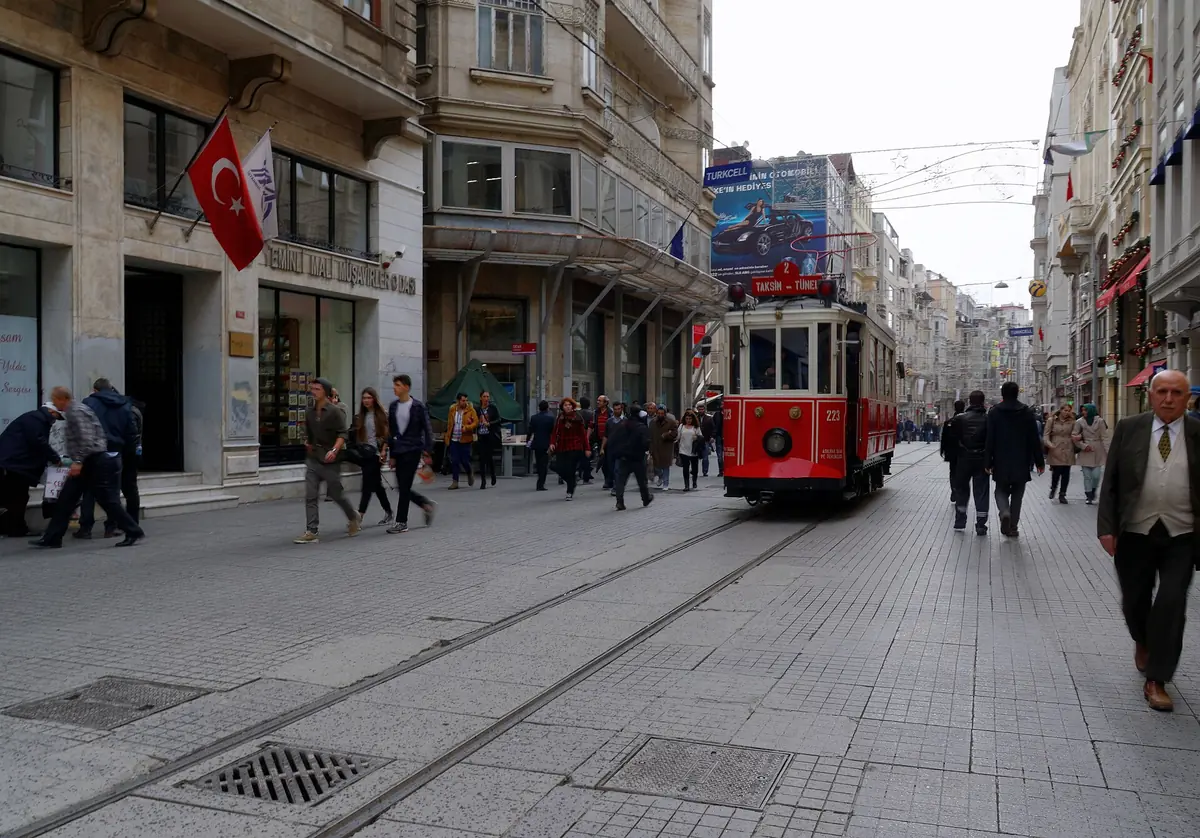
The UK says terrorists are likely to try to carry out attacks in Turkey. Most attacks have hit the south-east, Ankara and Istanbul, and recent ones include an explosion on Istiklal Avenue in central Istanbul in 2022 that killed six people, a gun attack on the Santa Maria church in Sarıyer in January 2024, and gunmen firing near the building that houses Israel's consulate in Istanbul in April 2026. Places of worship, airports, public buildings and big public gatherings are possible targets, so keep away from crowds at demonstrations and stay alert at the large sights.
Demonstrations are frequent in Istanbul and other cities, particularly outside Israeli missions, and police have used tear gas and water cannon. Joining a protest can lead to questioning or detention. Criticising the government, including on social media, can lead to arrest. People have been arrested or banned from leaving the country over posts, shares and likes, sometimes years old and made abroad, and border officers have asked travellers to unlock their phones. Insulting the Turkish nation, the flag, the president or Atatürk, the founder of the Republic, is a criminal offence punishable by six months to three years in prison. The offence covers comments and images online, wherever and whenever you posted them.
Germany also advises avoiding remote areas and little-used country roads, and staying away from government and military buildings; do not photograph them, or police and soldiers.
Prices and times checked 28 November 2026
Insurance, hospitals and paying for treatment
Buy travel insurance that covers medical treatment and repatriation before anything else. The UK GHIC and EHIC cards are not valid in Turkey, and Germany strongly recommends private cover with repatriation. If you plan paragliding, quad biking, a jeep safari or diving, check that the policy names the activity: the UK notes that quad biking needs specific cover.
Care in the big cities and tourist regions has improved markedly in recent years, but in the countryside care is often below Western European standards. For an accident or serious illness, go to the emergency department (acil) of a university hospital (üniversite hastanesi), the top tier of the Turkish system, or of a large private hospital. In Istanbul, large private hospitals include Acıbadem's Taksim hospital and the American Hospital (Amerikan Hastanesi). In Cappadocia, Nevşehir State Hospital has an adult emergency department, and on the Aegean and the coast the state hospitals in Selçuk, Denizli and Fethiye have emergency departments. Private hospitals set their own prices, often higher than at home, and usually ask for a credit card or a cash deposit before treatment. Some resort hotels have arrangements with particular clinics, and Germany reports inflated bills and pressure on patients there. Outside an emergency, ask for the price before treatment starts, and call your insurer's emergency line as soon as you are admitted.
Pharmacies (eczane) do not accept British prescriptions and some common medicines are controlled, so bring enough of your own in their original packaging with a copy of the prescription. Outside normal hours, duty pharmacies (nöbetçi eczane) open by rota; in Istanbul the Chamber of Pharmacists publishes the day's list on its site. Cannabis and CBD products, medical cannabis included, are banned. The UK knows of 7 British nationals who died in Turkey in 2025 after medical procedures. If you are thinking of cosmetic surgery or dental work, the Ministry of Health lists its approved providers on its HealthTürkiye site.
Prices and times checked 28 November 2026
112 and the numbers to save
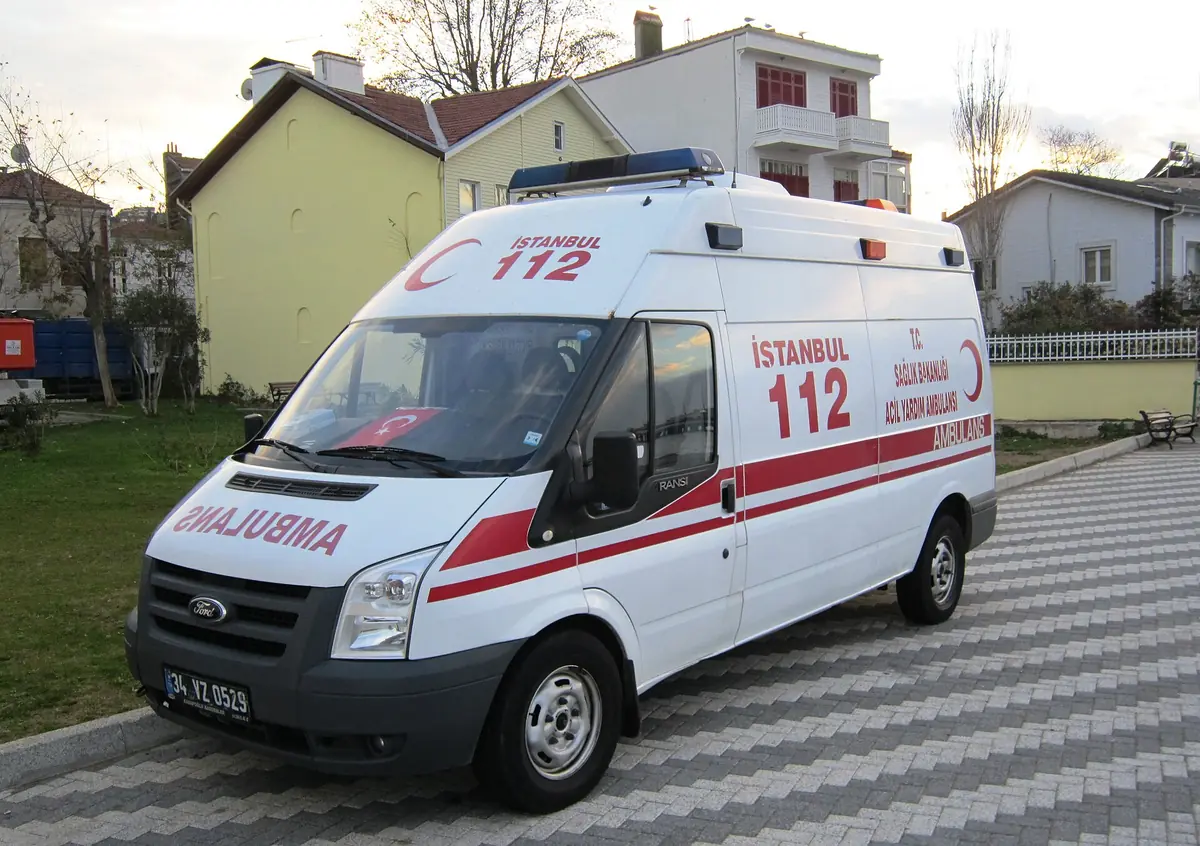
One number covers police, ambulance and fire across Turkey: 112. Ask for an ambulance (ambulans), the police (polis) or the fire brigade (itfaiye). If you are harassed or assaulted, or feel unsafe, report it as soon as you can to the police or the gendarmerie (jandarma), through 112 or at the nearest police station. Report wildfires to 112 too.
In Sultanahmet, the Ministry of Culture and Tourism runs a tourist information office at Divan Yolu No. 3, by the Hippodrome (Atmeydanı), open every day from 09:00 to 17:30; there is another on the international arrivals floor at Istanbul Airport, open every day from 09:00 to 19:00.
Before you leave, save your insurer's 24-hour emergency line and your embassy's number. British friends or relatives at home can call the Foreign Office in London around the clock on +44 20 7008 5000 if something happens to you.
Prices and times checked 28 November 2026
Earthquakes: what to do during and after
A large part of Turkey, Istanbul included, lies in a very active seismic zone. Small tremors are common, and large quakes happen. In February 2023, two severe earthquakes in the south-east left tens of thousands dead and injured; eleven provinces were worst affected. In April 2025, a magnitude 6.2 quake in the Sea of Marmara was felt strongly in Istanbul and injured many people. Aftershocks can go on for a long time, with landslides and serious traffic disruption. The earthquake page of Turkey's Disaster and Emergency Management Authority (AFAD), deprem.afad.gov.tr, shows the latest seismic activity.
If the ground shakes, AFAD's advice is to stay calm, keep away from balconies, stairs and lifts, and drop, cover and hold on (çök, kapan, tutun). Then turn off the stove, the water valve and, if you smell no gas, the electricity; take your emergency bag and leave the building quickly on foot.
Walk to the nearest assembly area (toplanma alanı): AFAD tells people to find theirs on e-Devlet, so as a visitor ask your hotel which is nearest when you check in. Stay there until the authorities say otherwise. Do not drive for the first six hours, so that rescue vehicles can get through. Send text messages or use internet apps rather than phoning, so that the networks do not jam. Then follow the instructions of the local authorities, your hotel and your tour operator.
Prices and times checked 28 November 2026
Tap water, food, methanol and the summer heat
İSKİ, Istanbul's water authority, says the city's mains water is safe to drink only where a building's pipes are new and its water tank is clean, and a visitor cannot check either. Germany advises never drinking tap water: drink only bottled water or, failing that, filtered or boiled water, and use drinking water for brushing your teeth too. Bottled water is sold everywhere, and sparkling water makes an opened bottle easier to spot. Diarrhoea is a common travel illness; Germany advises cooking or peeling food yourself and washing your hands before eating.
Counterfeit and illegally made spirits have killed people in Turkey, Istanbul and Ankara included, and methanol cannot be tasted or smelt. Buy alcohol only in licensed shops, in sealed bottles with the TAPDK logo on the cap and an undamaged blue-turquoise tax band. Methanol poisoning can look like having drunk too much, with tiredness, headache and nausea; if you or a friend show such signs after drinking, get medical help at once.
Summer heat can be extreme in many parts of the country. Plan sightseeing at open sites such as Ephesus and Pamukkale for early morning or late afternoon, carry water and a hat, and rest at midday. Wildfires break out frequently in summer: lighting any fire or throwing away a cigarette in woodland can bring a fine or prison, and if the authorities tell you to leave your accommodation, leave.
Prices and times checked 28 November 2026
Beaches, roads, balloons and adventure sports
People drown every year in Turkey's sea and pools. Some beaches have strong undercurrents and hidden rocks, so do not dive into water you do not know. Many beaches fly flags: a red flag means you must not enter the water. Swim where there is a lifeguard, follow what they say, and supervise children even when a lifeguard is on duty. Book water sports at a licensed centre, ask for the safety briefing and make sure you know how to call for help.
Paragliding, as at Ölüdeniz near Fethiye, quad biking and jeep safaris are all popular, and British travellers have been killed or seriously injured doing them. Use an established operator, and make sure you are given full instructions before you start. Germany notes that jeep-safari vehicles do not always meet basic safety standards. A moped needs a licence with at least the A1 category, and helmets are compulsory for rider and passenger. On the road, take particular care at night: roads between the big cities are generally excellent, but accidents are common, mainly from poor or reckless driving, and driving can be erratic at dusk. Drink-driving brings a fine and can cost you your licence for 6 months.
In Cappadocia, balloon companies fly under a licence from the civil aviation authority (SHGM), which publishes the list of licensed operators, so book with one on it. Flights are cancelled for the weather, an SHGM decision or flight safety, and operators ask for a health declaration before you fly. Our Cappadocia guide covers booking a flight.
Prices and times checked 28 November 2026
Vaccines, rabies, stray dogs and ticks
TravelHealthPro lists no vaccination certificate requirement for Turkey, but the US State Department says travellers arriving from a country with yellow fever must show proof of vaccination, so carry your certificate if you come from one. Hepatitis A is recommended for most travellers, routine vaccines should be up to date (measles in particular, as its risk is higher than in the UK), and hepatitis B, rabies and typhoid are for some travellers, depending on the trip. At least eight weeks before you go, check the vaccine advice with a travel-health professional. The malaria risk is very low and no tablets are recommended.
Most towns have stray dogs, and packs in parks and waste ground can be aggressive. Rabies is present in Turkey, so do not touch or feed street animals, cats included. After any bite or scratch, clean the wound thoroughly and get medical help at once, even if it looks trivial.
Insects and ticks spread diseases such as Crimean-Congo haemorrhagic fever, leishmaniasis and West Nile virus in parts of Western Asia. On walks in the countryside wear long trousers, use repellent and check yourself for ticks at the end of the day.
Prices and times checked 29 November 2026
Scams and crime in Istanbul
Violent crime is relatively rare, but street robbery and pickpocketing are common in the main tourist areas of Istanbul, often with a distraction such as children begging. Keep your phone and wallet zipped away on trams, ferries and in the bazaars, and carry only the cash you need for the day.
The best-known trap is the bar scam, reported especially in Beyoğlu: a friendly stranger suggests a drink or dinner, the bill that follows is enormous, and staff take the victim to a cash machine to pay it. Strangers offering to change money or to show you a restaurant or nightclub are part of the same pattern, and food or drinks from new acquaintances may be spiked. Choose your own bar, buy your own drinks and keep them in sight.
Two street routines target visitors. Around İstiklal Avenue and Sultanahmet, a shoe-shiner drops a brush; when you hand it back he offers a free shine, then tells a sad story and charges a huge price. Do not pick up the brush, and agree any price before a shine. In shopping areas such as the Grand Bazaar, a helpful stranger who offers to show you the way remembers he has to drop by a friend's shop, where tea arrives and the carpets or leather come out. Say no thank you and walk on.
On the city council's tariff in force since 20 July 2026, an ordinary Istanbul taxi meter starts at TRY 71.94 and adds TRY 47.92 a kilometre, with a TRY 230 minimum for short hops. Rides can still turn into expensive detours, so use a registered taxi, note its plate before you get in and make sure the meter is running. The BiTaksi app sends a taxi to your door and takes cash, a card or an İstanbulkart. Your hotel can tell you the usual fare. Banks and exchange offices may refuse USD 50 and USD 100 notes because of forgeries, so do not accept them in change.
Prices and times checked 28 November 2026
Laws that catch visitors out
Carry photo ID. It is illegal not to carry photographic identification. Keep your passport on you, as police run ID checks in busy parts of Istanbul and at checkpoints on main roads, and cooperate with them.
Antiquities. Buying or exporting antiquities is illegal, and the UK warns of prison sentences of 5 to 12 years. Germany says tourists caught are commonly held for months before trial and pay high bail, for example EUR 9,000, even for items of little value. Police and customs read "antiquity" broadly, to the point that any worked stone, old coin or fossil can count, so leave such things where you find them. A shop may sell some old items legally inside Turkey that still cannot leave the country. Anything you want to take home needs an export certificate from a museum of the Ministry of Culture and Tourism, issued through customs.
Drones. Anyone who brings in or flies a drone with a take-off weight of 500 g or more must register it in the civil aviation authority's (SHGM) online system within three days of bringing it into the country, and a flight permit is needed everywhere outside the free (green) zones. Photographing military installations is banned, and the UK says not to photograph official ones either, so keep any drone well away from both.
Drugs. Penalties are severe: the UK warns of 4 to 24 years in prison for possessing, using or smuggling drugs, cannabis included, and this applies in airport transit areas too. Never carry a bag or parcel for someone else.
Smoking and Ramadan. Smoking is banned on public transport and in all indoor public places. During Ramadan, eating, drinking or smoking in public in the daytime may cause offence, and clothing that does not meet local dress codes may cause more offence than usual; our festivals guide has the dates.
LGBT+ travellers. Same-sex relationships are legal in Turkey but not legally recognised. Some parts of the country are socially conservative, and public displays of affection may attract unwanted attention. The authorities have banned or broken up Pride events since 2015.
Prices and times checked 28 November 2026
Practical questions
Is Turkey safe for tourists?
For most visitors, yes. Governments advise against travel only to parts of the far south-east, along the borders with Syria and Iraq. For the rest of the country, Canada asks for "a high degree of caution". The common risks are pickpockets and bar scams in Istanbul, the sea, summer heat, wildfires and earthquakes.
Which parts of Turkey should I avoid?
The UK advises against all travel within 10 km of the Syrian border, and Germany against non-essential travel to the border areas with Syria and Iraq. Along the Syrian border, Germany names the Turkish provinces of Şanlıurfa and Mardin. Canada advises against all travel within 10 km of the Syrian and Iraqi borders, and against non-essential travel to the provinces of Hakkari and Şırnak.
What is the emergency number in Turkey?
Dial 112 for the police, an ambulance or the fire brigade. It also reaches the gendarmerie (jandarma).
Can you drink tap water in Turkey?
Istanbul's water authority says mains water is safe only where a building's pipes are new and its tank is clean. A visitor cannot check either, so drink bottled water, which is sold everywhere.
Is Istanbul safe from earthquakes?
Istanbul lies in a very active seismic zone; a magnitude 6.2 quake in the Sea of Marmara was felt strongly there in April 2025. If one strikes, drop, cover and hold on, keep away from stairs and lifts, then walk to the assembly area your hotel shows you.
Can I take an old coin or stone home from Turkey?
No. Exporting antiquities is illegal and Turkish police and customs read the word broadly, so leave old coins, carved stones and fossils behind unless a ministry museum has issued an export certificate.
Do I need travel insurance for Turkey?
Yes: the GHIC and EHIC cards are not valid, private hospitals usually want a deposit before treatment, and serious cases may need repatriation.
Keep planning your trip
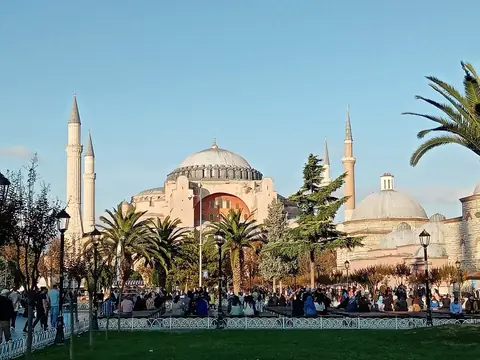
First trip to Turkey
Seven days or ten for Istanbul, Cappadocia, Ephesus, Pamukkale and Fethiye: nights per stop, the flights, which Museum Pass pays off and a daily cost.
Read the guide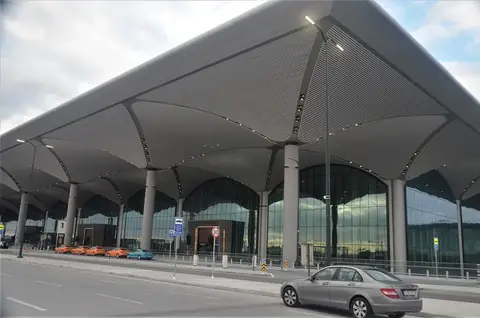
Entry to Turkey
Which passports enter Turkey visa-free for 90 days in 180, who needs an e-Visa from evisa.gov.tr, the 150-day passport rule, customs and Istanbul arrivals.
Read the guide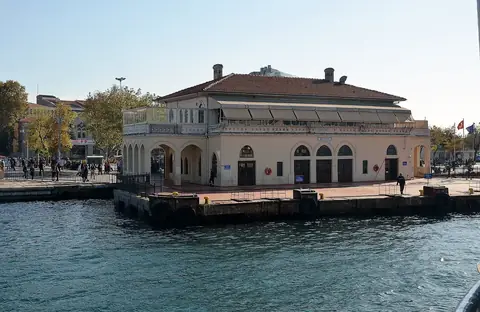
Solo female travel in Turkey
Travelling alone as a woman in Turkey: what the UK, German and Canadian advice says, taxis and night buses, mosque dress, rooms, drinks and where to report harassment.
Read the guide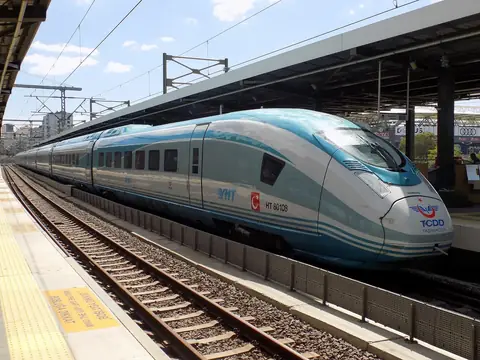
Transport in Turkey
How to cross Turkey on a first trip: which airlines fly to Cappadocia and Izmir, the İZBAN to Selçuk, overnight buses, fast trains, airport buses and car hire.
Read the guide
Money and payments in Turkey
Paying in Turkey: the lira and its rate, inflation, cards and ATM fees, home-currency conversion, euro-priced museums, the Istanbulkart, tipping and tax-free shopping.
Read the guide
Best time to visit Turkey
When to go to Turkey: spring and autumn for Istanbul, Cappadocia and Ephesus, June to October for the sea, snow and balloon mornings in winter, and the 2027 holidays.
Read the guideSources and checks before you travel
(26)
- UK Foreign Office (GOV.UK): Turkey warnings and insurance ↗ — opens in a new tab
- Auswärtiges Amt: Türkei Reise- und Sicherheitshinweise ↗ — opens in a new tab
- Government of Canada: Travel advice for Türkiye ↗ — opens in a new tab
- UK Foreign Office (GOV.UK): Turkey safety and security ↗ — opens in a new tab
- UK Foreign Office (GOV.UK): Turkey health ↗ — opens in a new tab
- UK Foreign Office (GOV.UK): Turkey getting help ↗ — opens in a new tab
- UK Foreign Office (GOV.UK): Turkey regional risks ↗ — opens in a new tab
- GOV.UK: Turkey and Syria earthquakes, UK government response ↗ — opens in a new tab
- TravelHealthPro (NaTHNaC): Turkey ↗ — opens in a new tab
- SHGM (Directorate General of Civil Aviation): UAS registry system ↗ — opens in a new tab
- TRT Haber: AFAD's advice after an earthquake (2 March 2021) ↗ — opens in a new tab
- Cumhuriyet: interview with İSKİ General Manager Şafak Başa (22 November 2023) ↗ — opens in a new tab
- İstanbul Metropolitan Municipality (İBB): taxi and public transport fares from 20 July 2026 (Turkish, PDF) ↗ — opens in a new tab
- BiTaksi: home page ↗ — opens in a new tab
- Istanbul Directorate of Culture and Tourism: tourism information offices ↗ — opens in a new tab
- İstanbul Eczacı Odası: duty pharmacies ↗ — opens in a new tab
- Acıbadem: hospitals ↗ — opens in a new tab
- American Hospital (Amerikan Hastanesi), Istanbul ↗ — opens in a new tab
- Nevşehir State Hospital (Ministry of Health) ↗ — opens in a new tab
- Daily Sabah: the steps of street scams (21 January 2015) ↗ — opens in a new tab
- SHGM (Directorate General of Civil Aviation): licensed balloon operators (Turkish, PDF) ↗ — opens in a new tab
- Skyway Balloons: cancellation and refund policy ↗ — opens in a new tab
- Selçuk State Hospital (Ministry of Health) ↗ — opens in a new tab
- Denizli State Hospital (Ministry of Health) ↗ — opens in a new tab
- Fethiye State Hospital (Ministry of Health) ↗ — opens in a new tab
- US State Department: Türkiye travel advisory ↗ — opens in a new tab
Reference sources for the version dated 29 November 2026. Confirm opening times, access, transport and conditions for your travel dates.
Photo credits
(4)
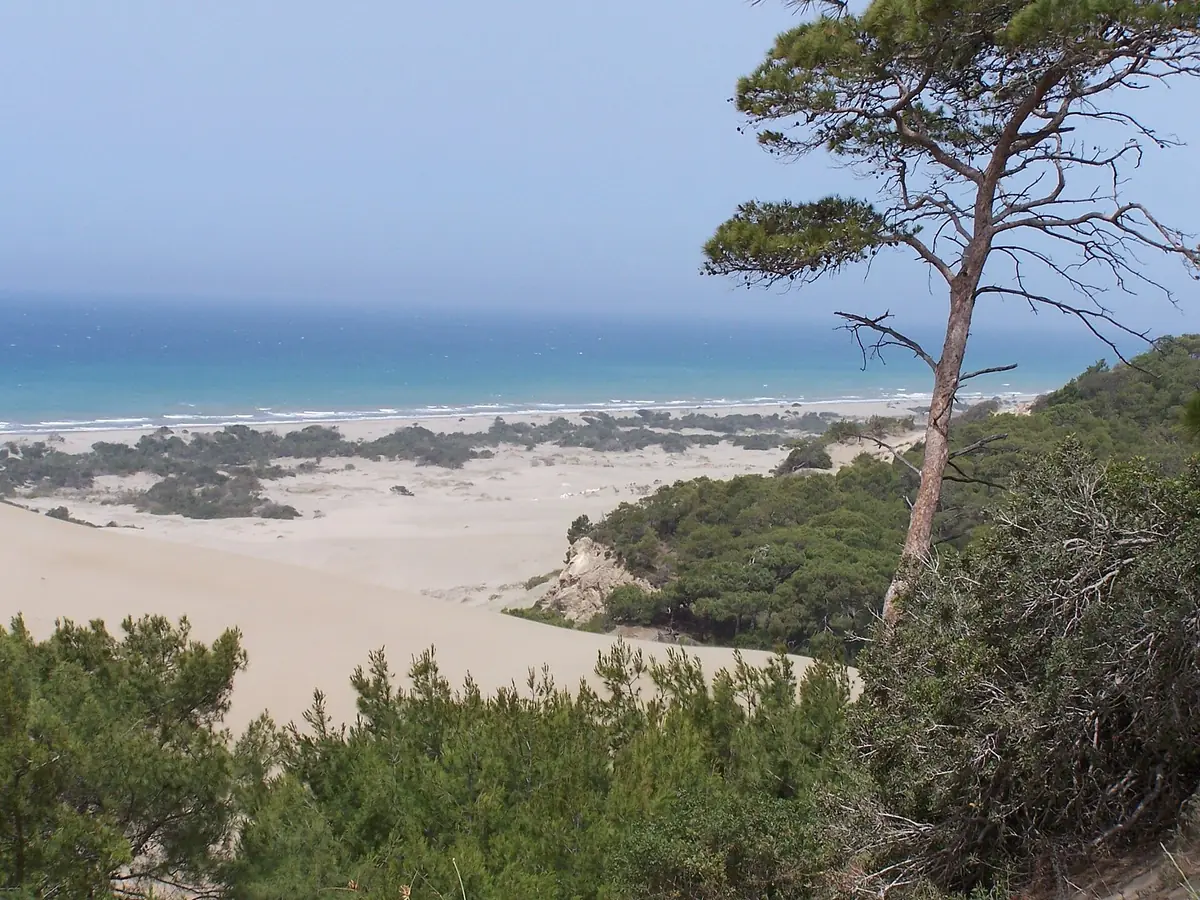
Dunes and sea at Patara beach on the Turquoise Coast
Photograph: Hauseltr at German Wikipedia — opens in a new tab · Public domain — opens in a new tab
Changes: Resized and converted to WebP; displayed with responsive crops. · Original photograph and licence details ↗ — opens in a new tab
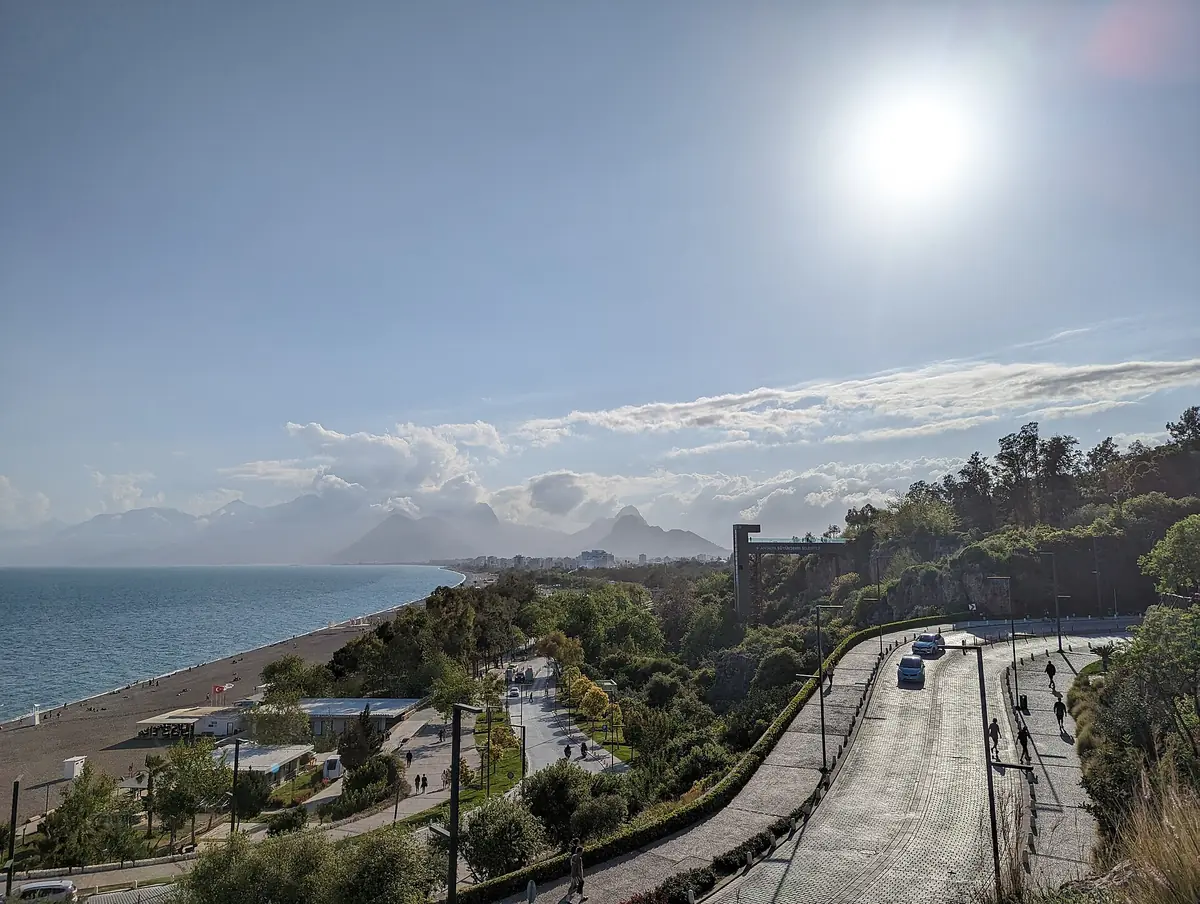
Konyaaltı beach in Antalya below the Beydağları mountains
Photograph: FingerWiki — opens in a new tab · CC BY-SA 4.0 — opens in a new tab
Changes: Resized and converted to WebP; displayed with responsive crops. · Original photograph and licence details ↗ — opens in a new tab
An Istanbul ambulance carrying the 112 emergency number
Photograph: Dickelbers — opens in a new tab · CC BY-SA 3.0 — opens in a new tab
Changes: Resized and converted to WebP; displayed with responsive crops. · Original photograph and licence details ↗ — opens in a new tab
The historic tram on İstiklal Avenue in Beyoğlu, Istanbul
Photograph: Alexxx1979 — opens in a new tab · CC BY-SA 4.0 — opens in a new tab
Changes: Resized and converted to WebP; displayed with responsive crops. · Original photograph and licence details ↗ — opens in a new tab