Çanakkale
Çanakkale, Troy and Gallipoli: two nights on the Dardanelles
Çanakkale sits on the Asian shore of the Dardanelles, the narrow strait between the Sea of Marmara and the Aegean, and two very different places lie close to its waterfront. Thirty kilometres south is Troy, a mound of city walls and ramps where nine settlement layers record more than 3,000 years of life. Across the water, on the Gallipoli peninsula, the cemeteries and memorials of the 1915 campaign stand above the beaches where it was fought. The town itself is a port with a long seafront promenade, the Kordon, and it makes a calm stop between Istanbul and the Aegean coast.
In this guide
Find the location ↗ — opens in a new tabThe short answer
Book two nights in Çanakkale near the Kordon: Troy fills the afternoon you arrive, and Gallipoli needs a full day across the strait. The Troy ticket is €27 for foreign visitors aged 9 and over (€30 from 1 April 2027) and covers the archaeological site and the Troy Museum; from October to April the ticket office closes at 17:00. The GESTAŞ ferry to Eceabat leaves Çanakkale every hour from 07:00 to 23:00 and costs TRY 40 on foot. Book the bus first: Kamil Koç lists Istanbul–Çanakkale from TRY 1,249 and 4 hours at the quickest, and Truva Turizm continues to İzmir for Ephesus in 5 hours 15 minutes.
- Suggested time
- 2 nights in Çanakkale
- Where to stay
- Çanakkale town centre, near the Kordon seafront and the ferry pier
- Season and timing
- Spring and autumn are the easiest months for walking the open ground at Troy and Gallipoli; there is little shade at either.
Two nights on the Kordon, and how the days fall
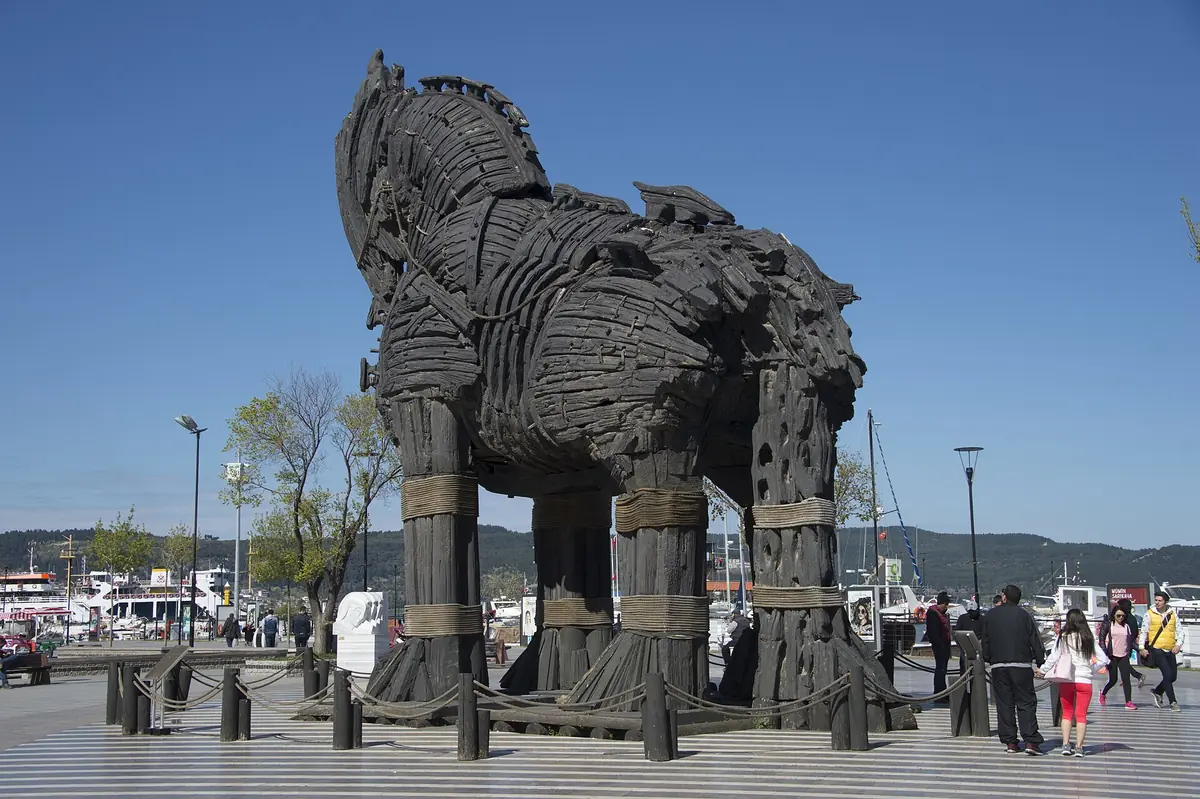
Çanakkale is the natural base for both sights. The town's seafront, the Kordon, runs along the strait with ferries and fishing boats at its edge, and the large wooden Trojan Horse on the waterfront is the town's best-known photo stop. Breakfast on the Kordon with a view of the Dardanelles is the classic start to a day here. Çimenlik Castle, built for Mehmed the Conqueror in 1462–1463, houses the Çanakkale Naval Museum: TCG Nusret, built in 2009–2010 to recall the minelayer Nusret of 1915, is moored there, and a shell fired by the British battleship Queen Elizabeth that hit the castle on 18 March 1915 lies in its outer garden.
Two nights fit the sights to their opening hours. Take a morning bus from Istanbul, drop your bags and ride the minibus to Troy for the afternoon. Give the second day to Gallipoli on a guided tour. Anzac House's tour from Eceabat, the one below, takes about six hours from an early-afternoon pickup in Eceabat, with a local guide, lunch at a seaside restaurant and the sites from Anzac Cove to Lone Pine and Chunuk Bair; it publishes no price, so ask for it when you book, and cross on a late-morning ferry. With a car, you can drive the battlefields yourself and take the car ferry. On the third morning, take the bus south to İzmir or back to Istanbul. A hotel in the town centre keeps the Kordon, the ferry pier and the bus companies within easy reach; our where-to-stay guide covers the bases for the rest of the trip.
With only one night, choose between them: Troy on the arrival afternoon, or a guided day that covers Troy and Gallipoli together. Operators in Istanbul also sell Troy and Gallipoli as a two-day trip with the night included; a one-day version from Istanbul spends most of its time on the road.
Troy: nine cities in one mound, and the museum at the gate
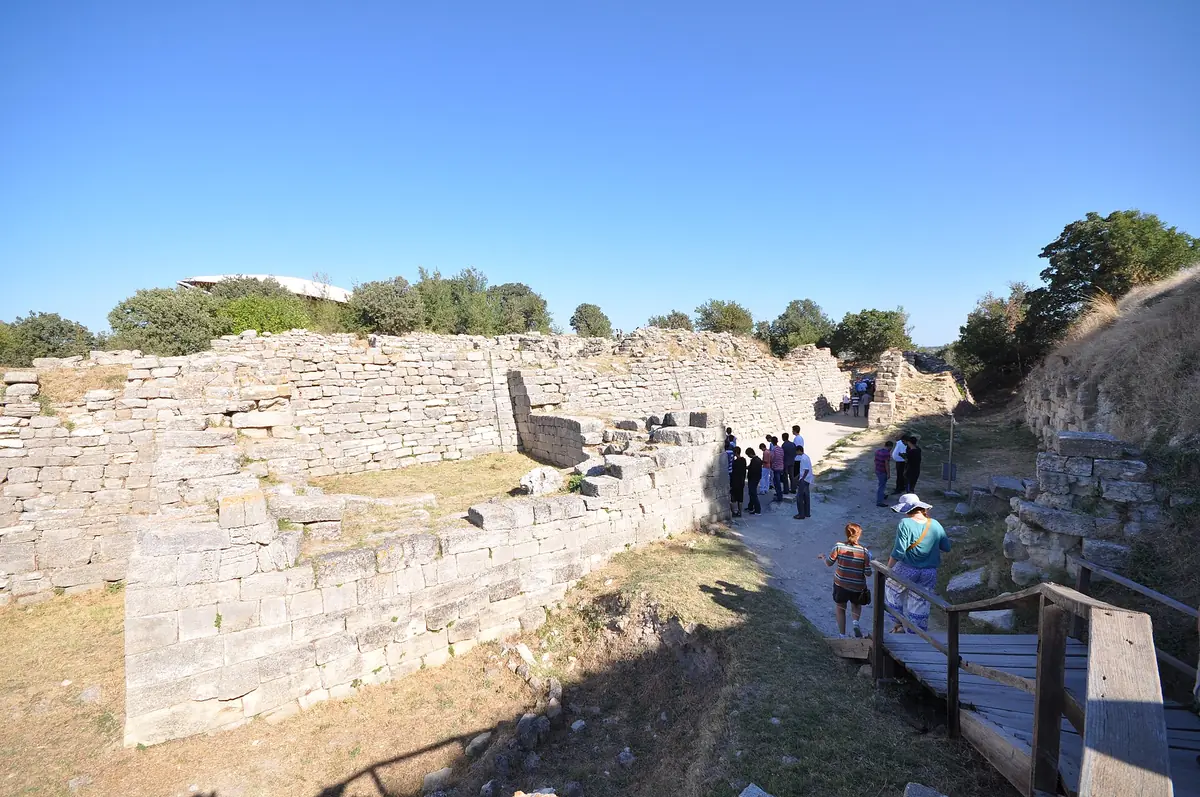
Troy is one of the most famous ancient cities in the world, and the site shows why archaeologists value it as much as Homer's readers do. Its nine layers record more than 3,000 years of continuous settlement, from the Early Bronze Age, about 3000 to 2500 BC, to the end of the Roman period, at a meeting point of Anatolia, the Aegean and the Balkans. The unbroken sequence of layers is a reference for dating other sites in Europe and the Aegean. Heinrich Schliemann began digging here in 1871, Wilhelm Dörpfeld and Carl Blegen followed, and excavation still continues. On the ground you follow a path past sloping stone defensive walls, ramps and house foundations of different periods; the layers sit side by side and on top of each other, so an audio guide helps to tell them apart.
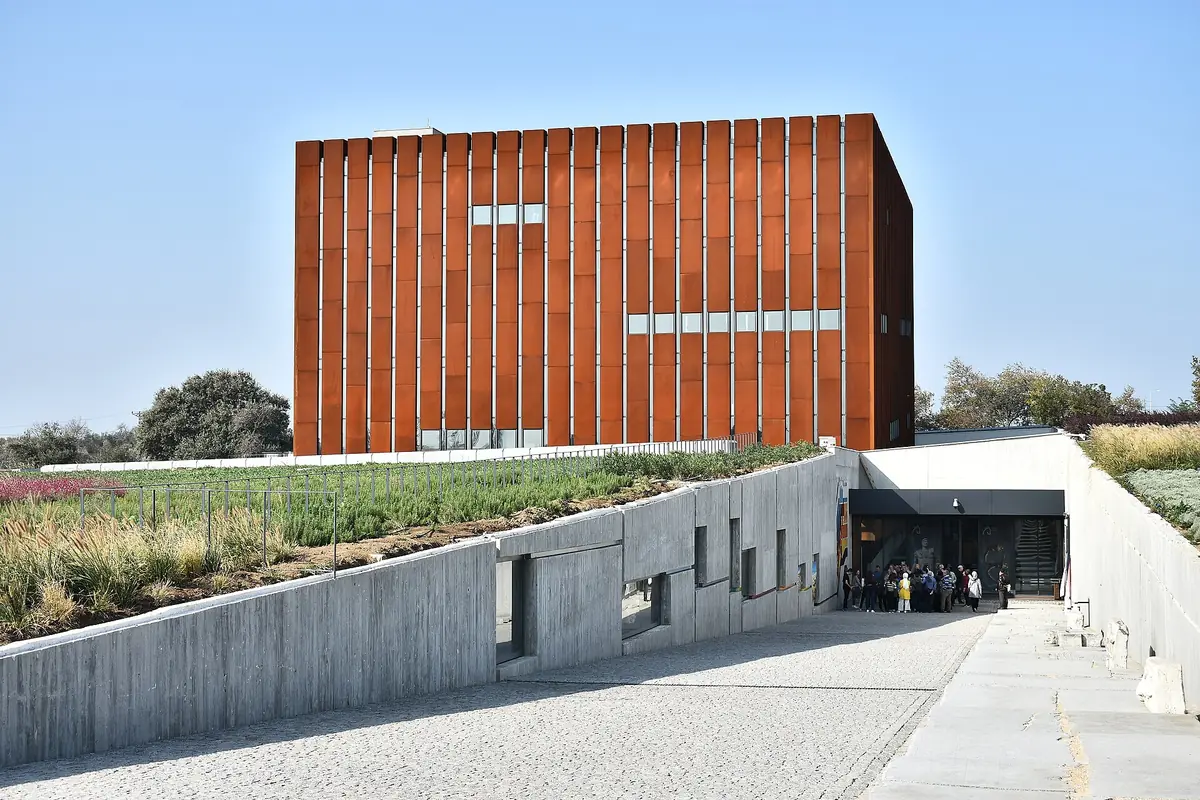
The Troy Museum stands at the entrance, in Tevfikiye village. It was completed in October 2018 after building began in 2013, and its 3,000 m² exhibition hall starts with a descending ramp whose wall niches present the layers of Troy through gravestones, sculpture, re-enacted scenes and photographs. The collection runs from Palaeolithic hand axes through pottery, gold, weapons and coins to glass bracelets and perfume bottles, with dioramas, touch screens and animations; sarcophagi, columns and stelae stand in the garden.
The ticket is €27 for foreign visitors aged 9 and over (€30 from 1 April 2027), children aged 8 and under enter free with a passport, and it covers both the archaeological site and the museum. Both open every day at 08:30. From May to September they close at 20:00, with the ticket office closing at 19:30; from October to April they close at 17:30, with the ticket office closing at 17:00. The ministry prices state sites in euros and charges them in lira at the Central Bank's effective selling rate of the previous business day, and the Museum Pass is accepted; our first-trip guide explains whether a pass pays off for your route. Troy is about 30 km from Çanakkale. Buses and minibuses to Troy and the province's other sites leave the town's bus terminal every half hour; no fare is published.
Prices and times checked 29 November 2026
Gallipoli: a full day across the strait
The Gallipoli peninsula, on the European shore, is where the Allied landings of 25 April 1915 and the months of trench fighting that followed took place. The whole area is now the Çanakkale Wars Gallipoli Historical Area, run by a directorate of the Ministry of Culture and Tourism: a landscape of memorials, cemeteries and preserved trenches spread over the peninsula. There is no single site with a gate, so a guided tour or a car makes the day work.
In 2027 the Anzac Day Dawn Service at the Anzac Commemorative Site begins at 05:30 on Sunday 25 April, and every attendee needs a free attendance pass from the Overseas Commemorations registration site. No public transport runs to the sites from Eceabat (20 km) or Çanakkale (30 km), so the organisers recommend an organised coach tour. Book a room in either town early; our festivals guide has the security and parking rules.
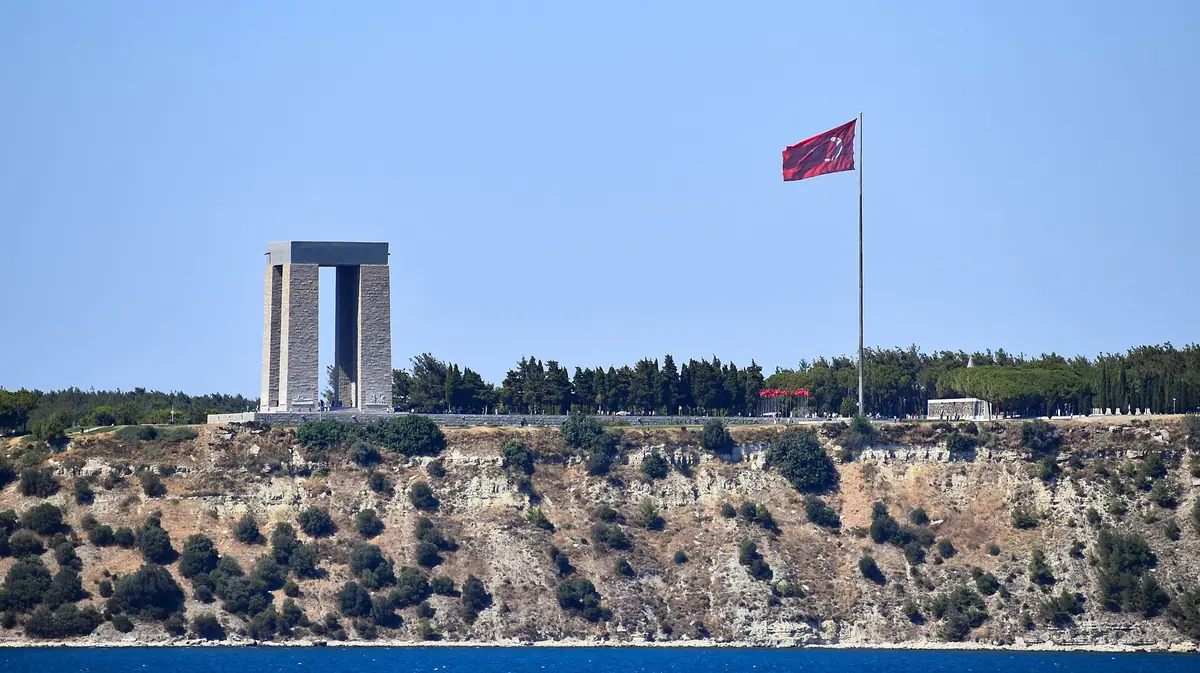
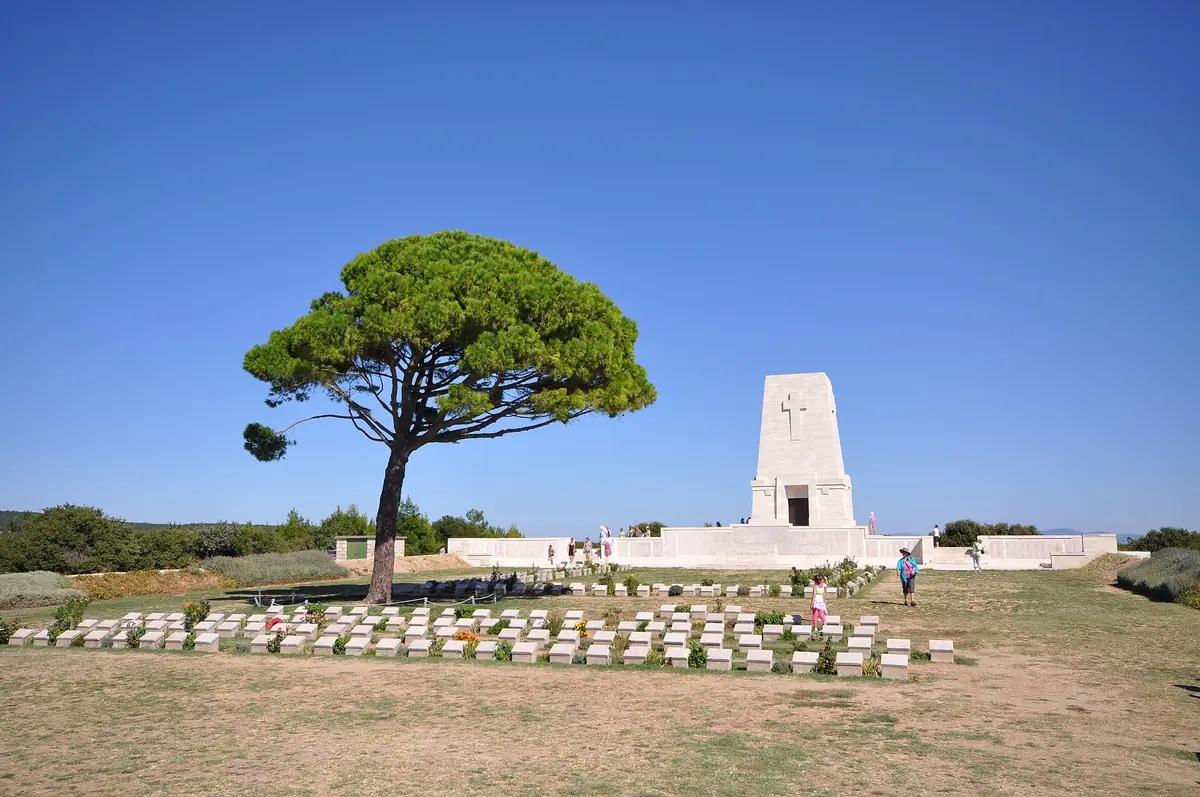
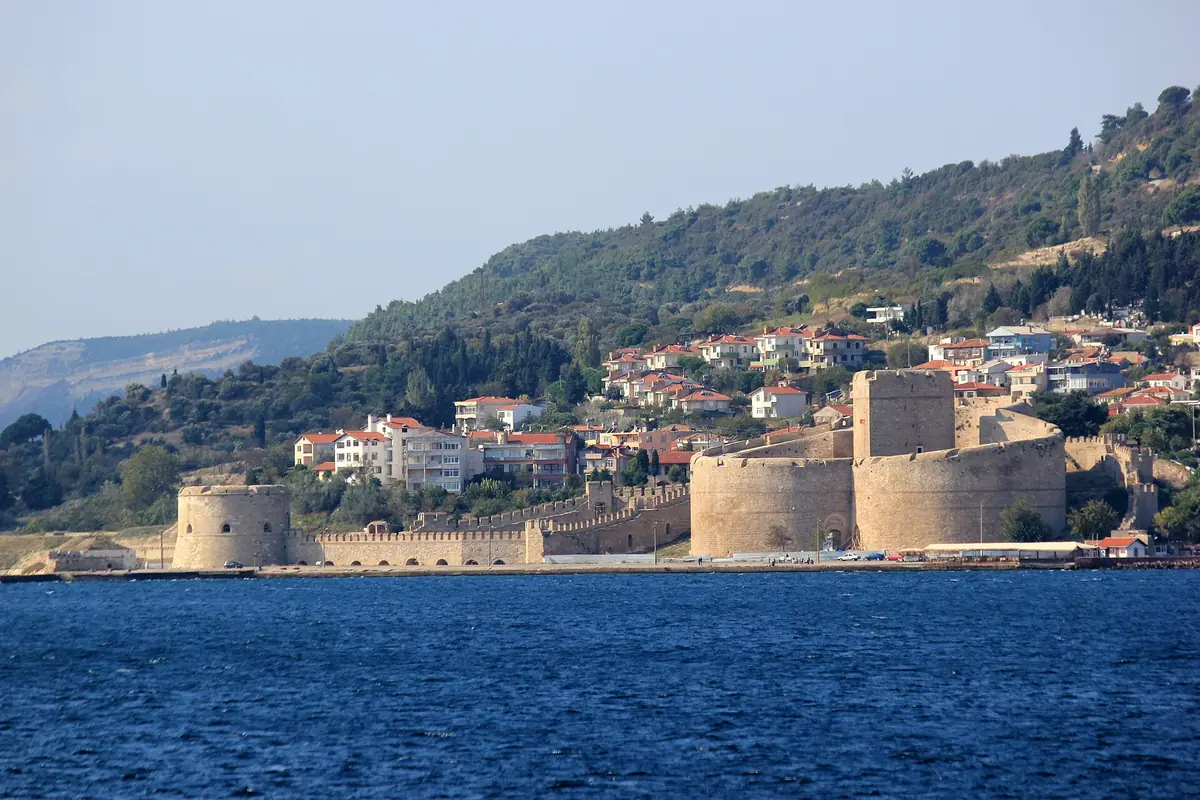
Anzac Cove is the small bay where the first boatloads of Australians came ashore on 25 April 1915. Arıburnu cemetery, at its northern end, holds 151 Australian, 35 New Zealand and 27 British graves among others. Uphill at Lone Pine, the ridge the Turkish side calls Kanlısırt, trenches survive in their final form beside the Commonwealth cemetery and memorial. Conkbayırı, the high ground above, carries the Atatürk victory monument and the New Zealand memorial. In the south, the Çanakkale Martyrs' Memorial stands on Eskihisarlık Point. It opened on 21 August 1960 and honours all the Turkish soldiers who died in the campaign; its symbolic cemetery lists 59,408 names. At the tip of the peninsula stands the 32.9 m Cape Helles Memorial, the largest British memorial there, which commemorates 20,763 men with no known grave or lost at sea. Kilitbahir Castle, the Ottoman fortress facing the town, is one of the directorate's museums.
The Çanakkale Epic Promotion Centre at Kabatepe opened on 7 June 2012. It runs 60-minute simulation shows through 11 halls, with at most 50 people per session. Tickets are sold at the entrance; sessions fill, so reserve a place before you go through the Historical Area directorate (+90 286 814 11 28). Entry is charged, and no price is published. Under the directorate's ticket rules, the Turkish cemeteries, the Martyrs' Memorial and the Atatürk House Museum at Bigalı are free, and foreign children aged 12 and under enter its paid sites free.
GESTAŞ runs the ferries across the strait. Çanakkale–Eceabat sails every hour from 07:00 to 23:00, with night sailings at 01:00, 03:00 and 05:00, and a foot passenger pays TRY 40 and a car with up to seven people TRY 725. The smaller Çanakkale–Kilitbahir line sails about every hour from 07:30 to 22:30, with one more at midnight. For a guided day from Eceabat, cross on a morning ferry. Return sailings from Eceabat run about every hour until 22:00, then at 00:00, 02:00, 04:00 and 06:00.
Prices and times checked 28 November 2026
From Istanbul by bus or plane
Kamil Koç lists Istanbul to Çanakkale at 343 km and 4 hours at the quickest, from TRY 1,249; Truva Turizm lists Istanbul's Esenler bus station to Çanakkale from TRY 1,350, in 4 hours 45 minutes. Esenler bus station has its own stop, Otogar, on the M1A metro. Our transport guide compares the bus companies.
Turkish Airlines also flies between Istanbul Airport and Çanakkale. Çanakkale airport is 3 km from the city centre, with municipal buses passing its gate, taxis and hire cars. The flight suits a trip that lands at Istanbul Airport and goes straight to the Dardanelles; from the city centre, the bus is simpler.
Prices and times checked 28 November 2026
Onward to the Aegean: Ephesus and the coast
Çanakkale is on the way south, not a detour. Truva Turizm lists Çanakkale to İzmir's bus station from TRY 1,100, in 5 hours 15 minutes. From İzmir, İZBAN suburban trains run south to Tepeköy, where 14 trains a day continue to Selçuk, the town for Ephesus, in 26 minutes. Assos, south of Troy, and Ayvalık are possible extra stops on the way if you have the days.
Our health and safety guide covers the travel advice for Turkey.
Prices and times checked 28 November 2026
What to eat and where to look
Ezine peyniri
The white cheese of Ezine, south of Çanakkale, protected as a designation of origin in Turkey and the EU; it is the staple of a north Aegean breakfast with olives and local olive oil.
- Where to look
- Breakfast cafés along the Kordon in Çanakkale.
- Fit it into your day
- Breakfast before the Gallipoli day.
Peynir helvası
Gelibolu's cheese halva: fresh unsalted cheese cooked slowly with flour, then worked with sugar until it turns stringy and glossy, sometimes served with walnuts, pistachios, kaymak or ice cream. The Gelibolu version is a registered geographical indication.
- Where to look
- Dessert shops and cafés in Çanakkale's centre, near the Kordon.
- Fit it into your day
- After dinner on the first evening.
Scorpion fish soup
Scorpion fish simmered with vegetables, one of the trademark dishes of the Çanakkale area.
- Where to look
- Fish restaurants along the Kordon in Çanakkale.
- Fit it into your day
- Dinner after the ferry back from Eceabat.
Sardines in vine leaves
Small sardines of the Dardanelles and the Gulf of Saros, grilled wrapped in vine leaves; Gelibolu, on the peninsula, is also the centre of Turkey's sardine canning.
- Where to look
- Fish restaurants on the Kordon and around the ferry pier.
- Fit it into your day
- Dinner on the Troy evening.
What Troy and Gallipoli cost
For two people on the two-night plan, the fares and tickets come to about TRY 8,200 from 1 April 2027, or about TRY 4,100 each (about TRY 7,900 before then): the bus from Istanbul (from TRY 1,249 each with Kamil Koç), the bus on to İzmir (from TRY 1,100 each with Truva Turizm), the Troy ticket (€30 each from 1 April 2027, about TRY 1,670, paid in lira at the Central Bank's rate; €27 before) and the Eceabat ferry both ways (TRY 160 for two). Meals and rooms come on top; our Turkey trip cost guide prices both.
The guided Gallipoli day and the minibus to Troy come on top: Anzac House quotes its tour price when you book, and no fare is published for the minibus, so carry small lira notes.
Prices and times checked 29 November 2026
Practical questions
How many nights do I need in Çanakkale?
Two: Troy on the afternoon you arrive, a full day for Gallipoli, and the bus onward on the third morning. With one night, choose between Troy on the arrival afternoon and a guided day that covers Troy and Gallipoli together.
How much is the Troy ticket?
€27 for foreign visitors aged 9 and over, or €30 from 1 April 2027, and the ticket covers both the archaeological site and the Troy Museum. It is paid in lira at the Central Bank's effective selling rate of the previous business day. Both open every day at 08:30; from October to April the ticket office closes at 17:00, and from May to September at 19:30.
How do I cross to Gallipoli?
By GESTAŞ ferry from Çanakkale to Eceabat, every hour from 07:00 to 23:00, TRY 40 on foot and TRY 725 for a car with up to seven people.
Can I visit Troy and Gallipoli as a day trip from Istanbul?
Tour operators sell one-day trips, but the bus alone takes at least 4 hours each way, so a one-day trip leaves little time at the sites. A two-day tour or two nights in Çanakkale work better.
Do the Gallipoli cemeteries charge an entry fee?
The Turkish cemeteries and the Martyrs' Memorial are free under the directorate's ticket rules. The Çanakkale Epic Promotion Centre at Kabatepe charges for its 60-minute simulation show, with at most 50 people per session.
Can I fly to Çanakkale?
Yes, Turkish Airlines flies between Istanbul Airport and Çanakkale, whose airport is 3 km from the city centre. From central Istanbul the bus, 4 hours at the quickest with Kamil Koç, is usually simpler.
Keep planning your trip
Istanbul
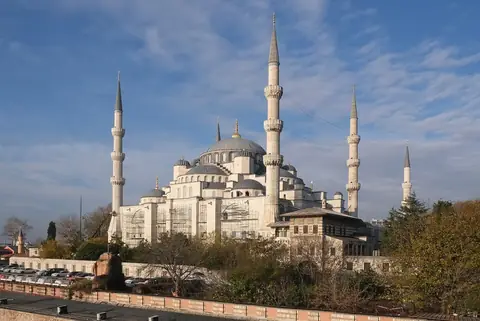
Three nights in Istanbul: where to stay, Hagia Sophia, the Blue Mosque, Topkapı and the Harem, the Bosphorus, Galata and Kadıköy, with tickets and airport buses.
Read the guide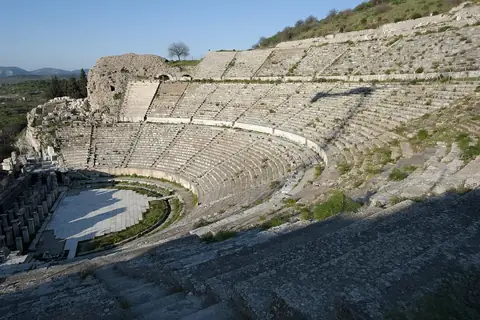
Ephesus and Selçuk
Two nights in Selçuk for Ephesus: tickets and the Terrace Houses, which gate to use, the museum, St John's Basilica, Şirince and the train from Izmir airport.
Read the guide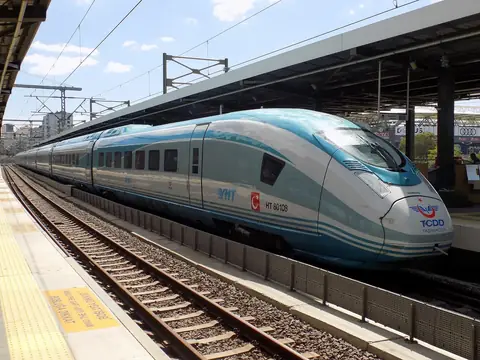
Transport in Turkey
How to cross Turkey on a first trip: which airlines fly to Cappadocia and Izmir, the İZBAN to Selçuk, overnight buses, fast trains, airport buses and car hire.
Read the guide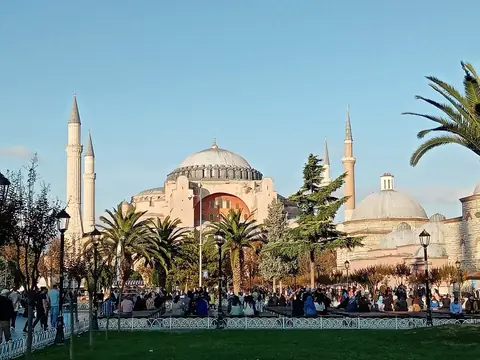
First trip to Turkey
Seven days or ten for Istanbul, Cappadocia, Ephesus, Pamukkale and Fethiye: nights per stop, the flights, which Museum Pass pays off and a daily cost.
Read the guide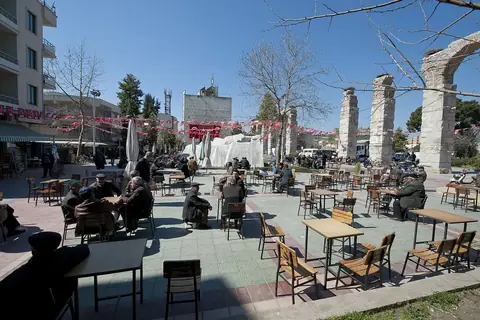
Where to stay in Turkey
Which Istanbul district, Göreme, Uçhisar or Ürgüp, Selçuk or Kuşadası, Fethiye or Ölüdeniz, and Kaş: nights, three hotels in each and room costs for two.
Read the guide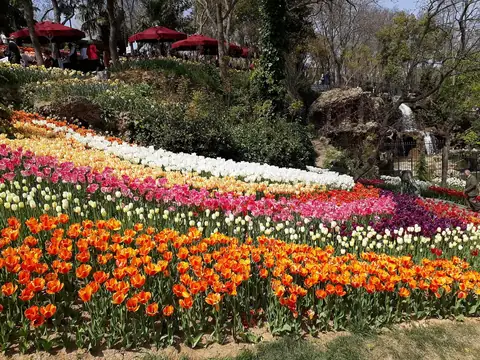
Best time to visit Turkey
When to go to Turkey: spring and autumn for Istanbul, Cappadocia and Ephesus, June to October for the sea, snow and balloon mornings in winter, and the 2027 holidays.
Read the guideSources and checks before you travel
(39)
- Ministry of Culture and Tourism (muze.gov.tr): The Archaeological Site of Troy ↗ — opens in a new tab
- Ministry of Culture and Tourism (muze.gov.tr): Troy Museum ↗ — opens in a new tab
- Gallipoli Historical Area Directorate: how to get there ↗ — opens in a new tab
- Gallipoli Historical Area Directorate: one-day route ↗ — opens in a new tab
- Gallipoli Historical Area Directorate: Çanakkale Epic Promotion Centre ↗ — opens in a new tab
- Gallipoli Historical Area Directorate: Lone Pine cemetery and memorial ↗ — opens in a new tab
- Gallipoli Historical Area Directorate: Arıburnu cemetery ↗ — opens in a new tab
- Gallipoli Historical Area Directorate: Cape Helles Memorial ↗ — opens in a new tab
- Gallipoli Historical Area Directorate: museums ↗ — opens in a new tab
- Gallipoli Historical Area Directorate: ticket directive for its museums and sites ↗ — opens in a new tab
- Truva Turizm: most popular routes ↗ — opens in a new tab
- Central Bank of the Republic of Türkiye: indicative exchange rates ↗ — opens in a new tab
- GoTürkiye (Ministry of Culture and Tourism): Aegean gastronomy ↗ — opens in a new tab
- TÜRKPATENT geographical indications: Ezine Peyniri ↗ — opens in a new tab
- GoTürkiye (Ministry of Culture and Tourism): Çanakkale ↗ — opens in a new tab
- GESTAŞ: fares ↗ — opens in a new tab
- GESTAŞ: timetables ↗ — opens in a new tab
- Kamil Koç: Istanbul–Çanakkale bus ↗ — opens in a new tab
- DHMİ (State Airports Authority): domestic flight destinations by airline ↗ — opens in a new tab
- TÜRKPATENT geographical indications: Gelibolu Peynir Helvası ↗ — opens in a new tab
- TÜRKPATENT geographical indications: search for Çanakkale ↗ — opens in a new tab
- GoTürkiye (Ministry of Culture and Tourism): taste of the Marmara region ↗ — opens in a new tab
- Türkiye Museums (Ministry of Culture and Tourism): Archaeological Site of Troy ↗ — opens in a new tab
- Türkiye Museums (Ministry of Culture and Tourism): Troy Museum ↗ — opens in a new tab
- Ministry of Culture and Tourism: directive on admission to museums and archaeological sites (English, PDF) ↗ — opens in a new tab
- Gallipoli Historical Area Directorate: Çanakkale Martyrs' Memorial ↗ — opens in a new tab
- Gallipoli Historical Area Directorate: New Zealand National Memorial ↗ — opens in a new tab
- Gallipoli Historical Area Directorate: Conkbayırı Atatürk Victory Monument ↗ — opens in a new tab
- UK Foreign, Commonwealth & Development Office: Turkey warnings and insurance ↗ — opens in a new tab
- Overseas Commemorations: Anzac Day attendee registration ↗ — opens in a new tab
- Overseas Commemorations: Anzac Day frequently asked questions ↗ — opens in a new tab
- DHMİ (State Airports Authority): Çanakkale Airport transport ↗ — opens in a new tab
- DHA: Çanakkale Naval Museum ↗ — opens in a new tab
- GoTürkiye (Ministry of Culture and Tourism): taste of Çanakkale ↗ — opens in a new tab
- TÜRKPATENT: Gelibolu Peynir Helvası registration document (PDF) ↗ — opens in a new tab
- İZBAN: journey planner (Sefer Saatleri) ↗ — opens in a new tab
- Anzac House: Gallipoli Tour from Eceabat, Canakkale ↗ — opens in a new tab
- Gallipoli Historical Area Directorate: contact ↗ — opens in a new tab
- Ministry of Culture and Tourism: 2027 ticket tariff (List I, via TÜRSAB) ↗ — opens in a new tab
Reference sources for the version dated 29 November 2026. Confirm opening times, access, transport and conditions for your travel dates.
Photo credits
(7)
The stone walls of Troy, with the visitors' path running beside them
Photograph: Jorge Láscar from Australia — opens in a new tab · CC BY 2.0 — opens in a new tab
Changes: Resized and converted to WebP; displayed with responsive crops. · Original photograph and licence details ↗ — opens in a new tab
The Troy Museum at the entrance to the site in Tevfikiye
Photograph: Troya Müzesi from Çanakkale, Türkiye — opens in a new tab · CC BY-SA 2.0 — opens in a new tab
Changes: Resized and converted to WebP; displayed with responsive crops. · Original photograph and licence details ↗ — opens in a new tab
The Çanakkale Martyrs' Memorial seen from the Dardanelles
Photograph: Julian Lupyan — opens in a new tab · CC0 — opens in a new tab
Changes: Resized and converted to WebP; displayed with responsive crops. · Original photograph and licence details ↗ — opens in a new tab
Lone Pine Cemetery and memorial on the Gallipoli peninsula
Photograph: Jorge Láscar from Australia — opens in a new tab · CC BY 2.0 — opens in a new tab
Changes: Resized and converted to WebP; displayed with responsive crops. · Original photograph and licence details ↗ — opens in a new tab
The Trojan Horse on the Kordon, Çanakkale's seafront
Photograph: Dosseman — opens in a new tab · CC BY-SA 4.0 — opens in a new tab
Changes: Resized and converted to WebP; displayed with responsive crops. · Original photograph and licence details ↗ — opens in a new tab
Kilitbahir Castle on the European shore, opposite Çanakkale
Photograph: Julian Nyča — opens in a new tab · CC BY-SA 4.0 — opens in a new tab
Changes: Resized and converted to WebP; displayed with responsive crops. · Original photograph and licence details ↗ — opens in a new tab
Yuki Ikemori beside a stone-paved ramp among the excavated walls of Troy
Photo: Yuki Ikemori