Plan your trip
Is Jordan safe? Advisories, hospitals, vaccines, roads and the laws
Jordan has long been one of the calmer countries of the Middle East, and most trips still go wrong in ordinary ways: a stomach upset from tap water, a hire car on an unlit desert road after dark, a canyon walk on the day after heavy rain, a bag left in a parked car by the Dead Sea. Since the regional conflict that began in early 2026, though, governments have drawn new lines on the map, and they disagree about how far those lines reach. This guide sets out what each says, then covers insurance and hospitals, the numbers to save, vaccines, heat and flash floods, the roads and the laws.
In this guide
Find the location ↗ — opens in a new tabThe short answer
Read your own government's advice before you book, because the lines differ. Germany advises against non-essential travel to all of Jordan. The UK, France and Canada advise only against named areas, which the table below lists, and travel against your government's advice can invalidate your insurance. Buy insurance that covers medical treatment and evacuation for your whole route: modern care is concentrated in Amman, and treatment is often paid in cash up front. Save 911 for police, ambulance and fire. Hepatitis A and tetanus are recommended for most travellers, and tap water is not for drinking. Do not drive between towns after dark, keep out of wadis after rain, and expect on-the-spot traffic fines of JOD 15 to 150. A stay of more than 30 days needs an HIV test, with a JOD 20 health certificate, the UK says.
- Key point
- Start at least 8 weeks before you fly: read the advisories, buy insurance with evacuation cover, book the travel clinic and save 911
- Where it applies
- No base is needed; the advice applies in Amman, Jerash, Madaba, the Dead Sea, Petra and Wadi Rum and on the roads between them
- Timing
- Flash floods are most likely in the rainy season from November to March, snow can close the roads around Petra in winter, and summer heat peaks in the desert and by the Dead Sea
Where governments draw the lines, and how far they disagree
Governments read the same regional conflict very differently in Jordan, so the first decision is whose advice your insurance follows. Since conflict began in the region in early 2026, Iran has fired missiles and drones across the Middle East, and Jordanian territory has been overflown and at times targeted. For travellers, the main risks are falling debris from interceptions, and flight cancellations and airspace closures at short notice. The four governments compared here draw these lines:
| Government | General level | Areas advised against | Last update |
|---|---|---|---|
| Germany (Auswärtiges Amt) | Against non-essential travel to the rest of the country | Strongly against the immediate Syrian border area, the north-east and the Iraqi border region | Unchanged since 29 October 2026 |
| France (France Diplomatie) | Enhanced vigilance | Formally against the Syrian and Iraqi borders; strongly against the Azraq and Mafraq areas; against, except for an imperative reason, the city of Ma'an, the strip next to the red zone, the border zone with the Palestinian territories, the north-east, and the city of Aqaba and its surroundings | Security page 30 October 2026 |
| United Kingdom (FCDO) | No advice against | All travel within 3 km of the Syrian border | 18 November 2026 |
| Canada | Exercise a high degree of caution | All travel within 5 km of the Iraqi and Syrian borders and east of Ruwaished; non-essential travel to Zarqa governorate and Mafraq governorate west of and including Ruwaished | 28 October 2026 |
Germany's line is the strictest: it advises against non-essential travel to the rest of the country. The routes in these guides stay out of the north-east, Azraq and the desert castles around it, Mafraq and the city of Ma'an, and none of them ends in Aqaba. France's text does not say how far "Aqaba and its surroundings" or the border zone with the Palestinian territories reach. Three parts of the routes lie close to them: Wadi Rum, about 66 km north of Aqaba; the Desert Highway, which passes Ma'an on the way to Petra and Wadi Rum; and the Dead Sea hotels and the Baptism Site, which face the West Bank. French readers should check these with France Diplomatie before booking. The UK warns that travel against its advice can invalidate your travel insurance. Check what your policy says about your government's advice before you buy flights, and read your government's page again before you fly.
The land crossings with Israel and the West Bank (King Hussein/Allenby Bridge, Sheikh Hussein and Wadi Araba) can close at no notice. There were attacks at the border crossings with Israel in 2024 and 2025, and protests have taken place near that border on Fridays. Terrorist attacks are likely to be attempted, including in hotels, malls, restaurants, tourist sites and border crossings. On 23 October 2026 an attack on a church in Karak governorate left several people dead and injured, and on 5 November 2026 a security officer was killed in a stabbing in central Amman. Demonstrations happen regularly, often after Friday prayers, in Amman and in cities such as Irbid, Karak, Madaba, Salt and Zarqa; stay away from them. Germany also advises keeping well away from military sites, critical infrastructure and US facilities, including hotels and businesses visibly used by US security forces. If you hear sirens, go indoors and stay away from windows until the all-clear. Never touch drone or missile fragments. Our entry guide covers the border crossings themselves.
Prices and times checked 28 November 2026
Insurance, hospitals and paying for treatment
Buy insurance that pays for medical treatment, hospital stays and medical evacuation, and carry the policy number and your insurer's emergency number. An ambulance is often charged separately, and in Jordan immediate cash payment is often required for medical procedures. Call your insurer as soon as a doctor refers you to a hospital.
Modern care is concentrated in Amman. Germany rates the standard there as very good and names two large private hospitals, the Al-Khalidi Medical Center and the Arab Medical Center. Outside the capital, Germany warns of serious limitations, especially in ambulance services after road accidents. The UK calls medical facilities outside Amman and Aqaba basic and advises seeking emergency treatment in one of those two cities.
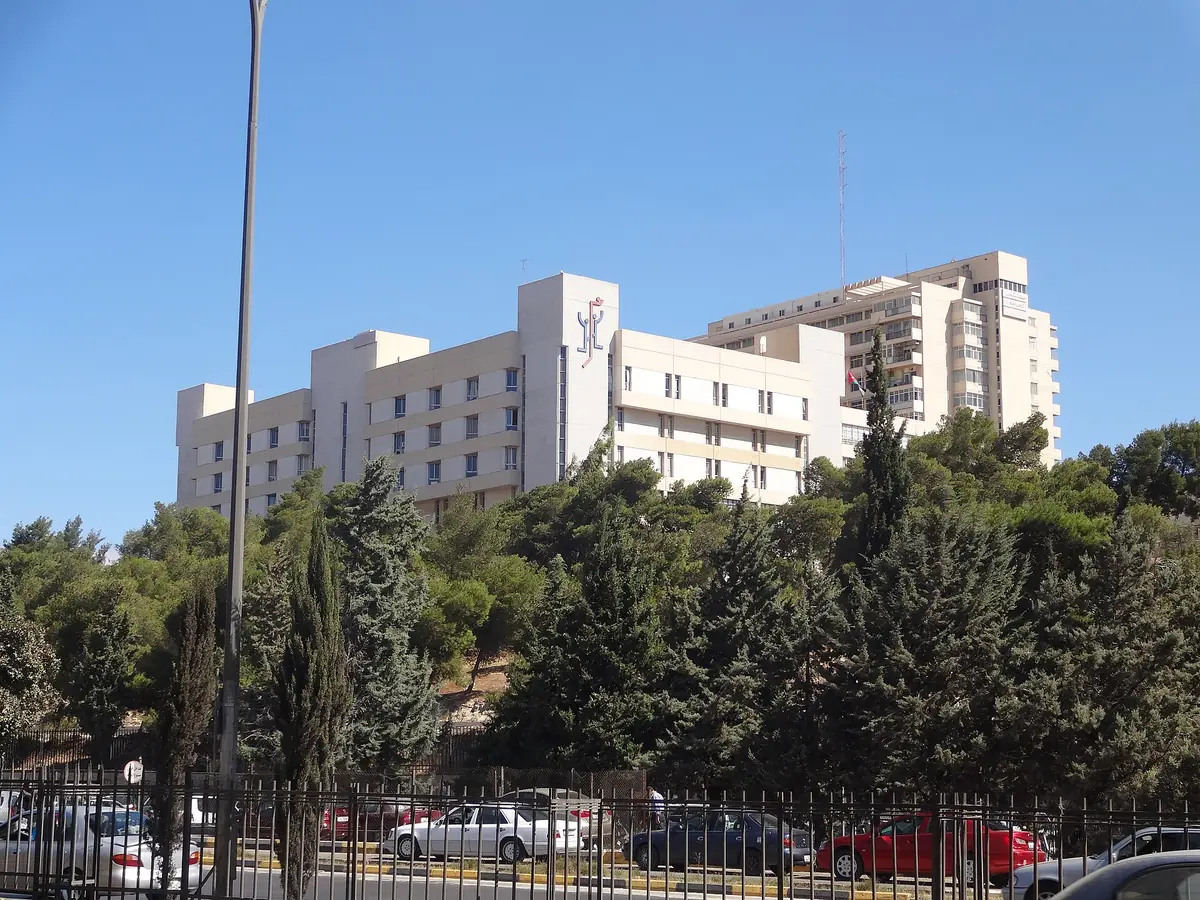
The British Embassy's list of medical facilities names hospitals with English-speaking staff across the country. In Amman they include Al Khalidi Hospital and Medical Center (39 Ibn Khaldoun Street, 4th Circle), the Arab Medical Center (Khalil Mizel Street, Jebal Amman), Abdali Medical Center (Abdali Boulevard), Jordan Hospital (9 An-Nuzha Street) and the public Jordan University Hospital (Queen Rania Street). Near the routes in these guides, the list names Al Mahabba Private Hospital on Al Hijaz Street in Madaba and the public Queen Rania Hospital in Wadi Musa, next to Petra. If you go to Aqaba despite France's advice, the list names the private Aqaba Modern Hospital and the military Prince Hashem Bin Al-Hussein hospital.
Bring enough of your own medicines for the trip, in their original packaging, in your hand luggage, with a copy of the prescription. Germany says that for medicines covered by the narcotics law the medical need must be documented in English, and France warns that some medicines can be treated as illegal in Jordan without a prescription. Buy medicines only in pharmacies, never in the street, where they may be counterfeit.
Prices and times checked 28 November 2026
Emergency numbers to save before you land
One number, 911, reaches the police, ambulance and fire service, and Civil Defence for rescues such as a flash flood. The numbers below are worth saving before you arrive:
| Who | Number |
|---|---|
| Police, ambulance, fire, Civil Defence | 911 |
| Family Protection Department (sexual assault) | +962 6 581 5738 |
| British Embassy Amman (24/7) | +962 6 590 9200 |
| Embassy of Canada, Amman (consular) | +962 6 590 1500 ext. 3341 / 3342 |
| Embassy of France, Amman (emergencies outside office hours) | +962 6 460 4631 |
| FCDO London, for relatives in the UK (24 hours) | +44 20 7008 5000 |
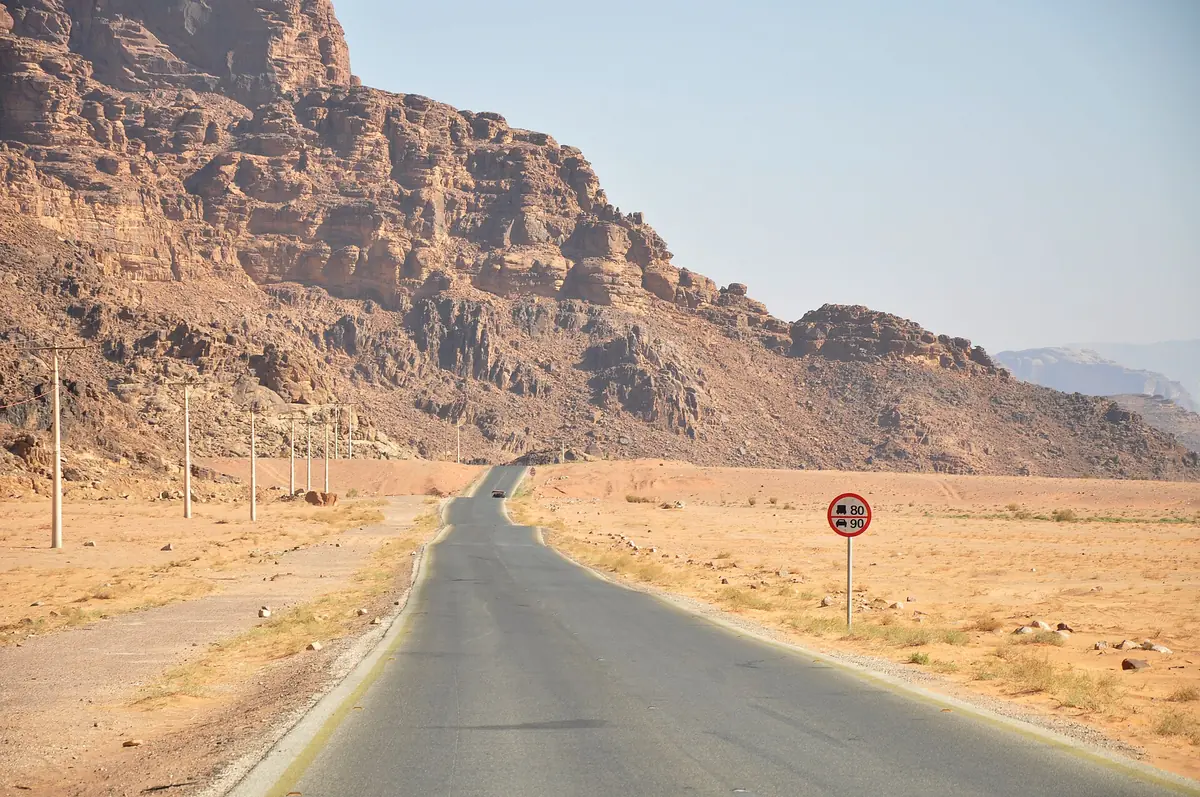
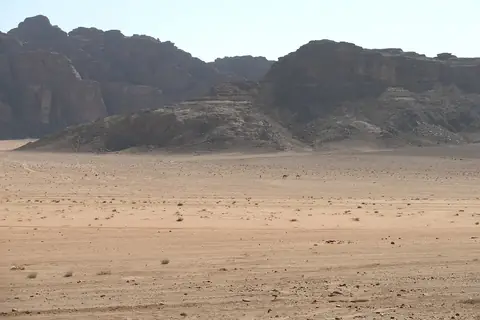
After calling 911 for an ambulance, call your insurer's emergency line. Report a theft to the police while you are still in Jordan, since insurers usually ask for a police report. Mobile coverage is uneven, and in much of Wadi Rum you can neither make nor receive calls, so tell someone your plans before a desert night.
Prices and times checked 28 November 2026
Vaccines, rabies, camels and the HIV rule
See a travel-health professional early: the UK suggests checking vaccine recommendations at least 8 weeks before the trip, with the appointment ideally four to six weeks before you go. No vaccination certificate is required under the International Health Regulations for direct travel from Europe or the US. If you arrive from a country with yellow fever, or after a transit of more than 12 hours in one, you need a yellow-fever certificate from the age of one. Hepatitis A and tetanus are recommended for most travellers. Hepatitis B, rabies and typhoid are for some travellers, depending on the length and kind of stay. The measles risk is higher than in the UK, so make sure your measles, mumps and rubella (MMR) vaccination is up to date.
Dogs with rabies are commonly found in Jordan, and bats may carry rabies-like viruses, so do not touch or feed any animal. After a bite or scratch, wash the wound at once with soap and clean water and get medical care quickly; treatment is typically available in most of the country. Camels can pass on Middle East respiratory syndrome (MERS), for which there is no vaccine, so avoid close contact with them, raw camel milk and undercooked camel meat, and wash your hands after a camel ride in Petra or Wadi Rum. Insect and tick bites can spread leishmaniasis and other diseases in the region, so use repellent. The risk of schistosomiasis from fresh water is very low.
Rules on HIV differ by source. France says tourists are not tested on entry, but several tests, HIV among them, are compulsory to extend a stay beyond three months. The UK says you must have an HIV test if you stay more than 30 days, and the health certificate costs JOD 20. Germany says people with HIV may not enter or stay in Jordan. If this affects you, ask the Jordanian embassy before you travel. Our entry guide covers the other arrival rules.
Prices and times checked 28 November 2026
Water, heat, dust and flash floods
Drink only bottled or sealed water, or water that has been filtered or boiled, and never tap water; Germany suggests sparkling water, because an opened bottle is easier to spot. Avoid raw or undercooked meat, fish and dairy, unwashed salad, reheated dishes and cold buffets. Unpasteurised milk products can carry brucellosis.
The east and south are desert, and summer days at Petra, in Wadi Rum and on the Dead Sea shore are very hot: walk early and late, carry more water than you expect to drink, and cover up against the sun. At Petra, start the long climbs, such as the rock-cut stairway to the Monastery, early in the day and carry water for them. In the Dead Sea, float on your back, do not swim face down, keep the water out of your eyes and mouth, and rinse off at the beach showers after each dip. Sand and dust storms happen; stay indoors with the windows shut until they pass. Snowfall is infrequent, but heavy snow can trap vehicles and close mountain roads, including those around Petra.
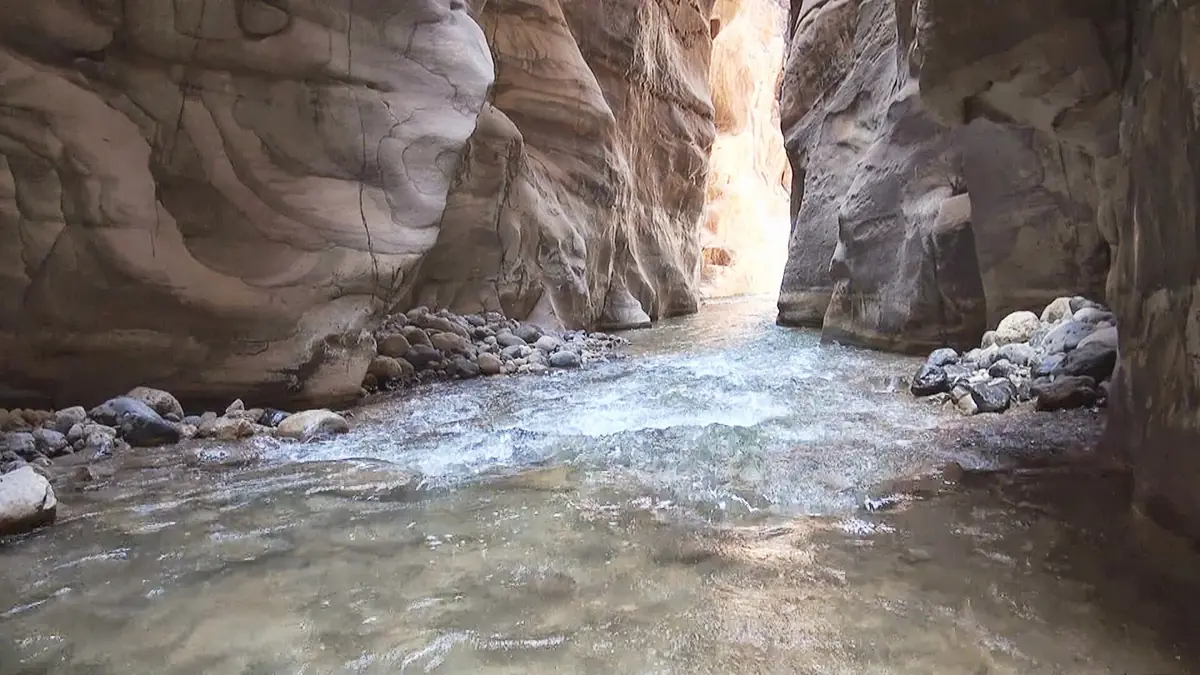
Flash floods are the hazard that kills visitors. In the rainy season, from November to March, rain far upstream can turn a dry wadi into a torrent very quickly, and floods and landslides can also happen outside the season. In 2025 many visitors had to be evacuated from the gorge at Petra. Before any canyon walk, such as the Siq trail in Wadi Mujib (usually open from 1 April to 31 October) or the routes into Petra, check the forecast, do not go on a cloudy or rainy day, and wait at least a day after heavy rain. If you are caught, climb to high ground, do not try to cross the water and call Civil Defence on 911. The whole west of Jordan lies in an active seismic zone, so earthquakes can happen.
Choose outdoor operators carefully: the quality varies, and the Visit Jordan website lists the country's tour operators. Desert trips should go in a convoy of several four-wheel-drive vehicles with an experienced guide and enough water, food, fuel and spare parts. If you dive or snorkel in Aqaba despite France's advice, note that standards vary: never dive alone, book through your tour representative and use an operator with a recognised accreditation such as PADI. Paragliding and paramotoring are banned without military permission.
Prices and times checked 28 November 2026
Roads, taxis and buses
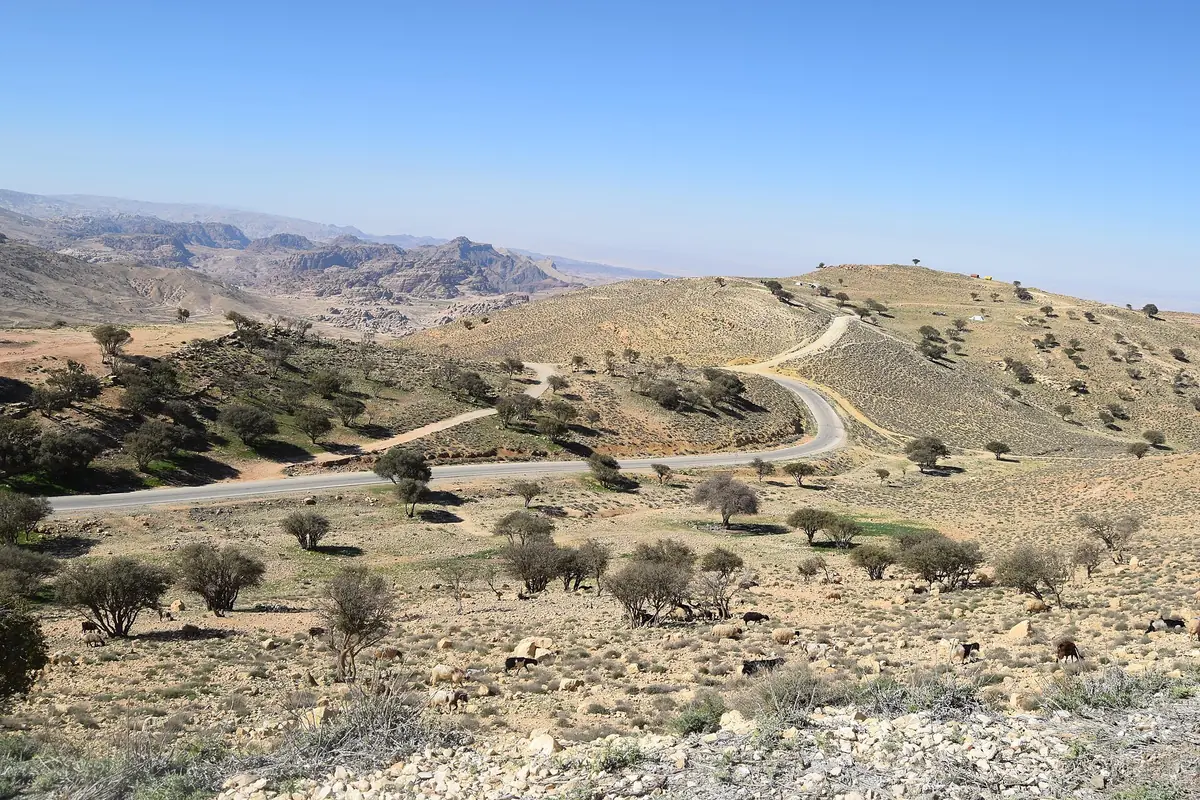
Driving is the biggest everyday risk. Road accidents are frequent, caused mainly by speeding, overtaking, lorries and poor signage; stray animals, broken-down vehicles, unmarked roadworks and badly lit cars are common, and there have been fatal accidents on the Desert Highway between Amman and Aqaba. Germany advises against overland journeys after dark. France and Canada advise against driving at night, and France names the Desert Highway, the Dead Sea road and the Amman–Trebil road in particular. Plan every transfer to arrive in daylight. In the Jordan Valley, keep to the main roads and heed landmine warning signs.
If you drive, carry an International Driving Permit with your licence (the UK requires the 1949 version). Front-seat seatbelts are compulsory, a phone at the wheel is illegal, every car must carry a fire extinguisher and a warning triangle, and there is zero tolerance for drinking and driving. Speed limits run from 40 km/h in some urban areas to 120 km/h on some highways, and police issue on-the-spot fines of JOD 15 to 150. After an accident, call 911 and do not leave the scene before the police arrive. If a pedestrian is injured, the driver is always deemed at fault and may be held for several days. Drivers in accidents that injure someone can be barred from leaving the country.
Use Uber or Careem, which the UK calls safer than the yellow taxis, or a driver your hotel recommends. Licensed taxis carry a government sticker on the windscreen. Canada advises using only officially marked taxis, asking your hotel's front desk for one and not hailing taxis in the street. Sit in the back. Between towns, France advises the better private coach companies that serve the tourist sites over local buses, and Canada advises against the small 'coaster' minibuses because of overcrowding and inconsistent maintenance. Our transport guide covers the JETT coaches, car hire and journey times.
Prices and times checked 28 November 2026
Crime, drinks and the laws that catch visitors out
Crime is low by regional standards, but pickpocketing, bag-snatching, theft from cars and car break-ins happen, especially at busy tourist sites; Germany names the Dead Sea and Wadi Mujib area in particular. Germany also warns of verbal and physical harassment by individuals or groups of young men. Leave nothing visible in a parked car, keep your passport and money secure, and do not engage with aggressive beggars. Celebratory gunfire is illegal but still happens and occasionally kills.
Alcohol is legal in bars, clubs, hotels and private homes, but drinking in the street is illegal and public drunkenness is a criminal offence. Several people died in Jordan in June 2025 after drinking alcohol adulterated with methanol, which cannot be detected by taste or smell. Drink known brands in licensed places, never buy alcohol from individuals, and get urgent medical help if you feel ill after drinking. Drug offences, even for the smallest amounts, bring long prison sentences, up to life, and Jordan's criminal law includes the death penalty.
Carry your passport or another ID, because the police run random checkpoints. Do not photograph military sites, checkpoints, government buildings or the border crossings. Insulting the King or the royal family, religious proselytising, extramarital sex and possessing pornography are illegal. Same-sex relations are not illegal, but homosexuality is not socially tolerated, and people have been arrested under other laws, such as those on indecency. Avoid public displays of affection. It is socially unacceptable for unmarried foreign couples to live together. Leave the drone at home: the UK says you must apply for approval at least 10 working days before you travel, and France says drones are confiscated on arrival. France also warns that binoculars are confiscated without a special permit. Taking antiquities out of the country is banned. Inside Petra, keep strictly to the opening hours: visitors found in the park after closing risk arrest, and tourists have been locked in overnight (our Petra guide gives the hours).
During Ramadan, which in 2027 is expected to begin on or around 8 February, do not eat, drink or smoke in public between sunrise and sunset. Dress modestly in general and in mosques, where women cover their heads and arms. Access to refugee camps needs the government's approval, and some camps near towns are not clearly marked.
Prices and times checked 28 November 2026
Practical questions
Is Jordan safe to visit in 2026?
Governments disagree. Germany advises against non-essential travel to all of Jordan; the UK, France and Canada advise only against named areas, listed in the table above. Day to day, the common risks are road accidents, flash floods, petty theft and stomach upsets.
Which areas of Jordan should I avoid?
All four governments compared here advise against the Syrian border area. France also advises against the city of Aqaba and its surroundings and the city of Ma'an, except for an imperative reason, and Canada against non-essential travel to Zarqa governorate. The table above gives each government's full list.
What is the emergency number in Jordan?
Dial 911 for the police, an ambulance, the fire service or Civil Defence. Then call your insurer's emergency line.
Which vaccinations do I need for Jordan?
No certificate is required for direct travel from Europe or the US. Hepatitis A and tetanus are recommended for most travellers and MMR should be up to date; hepatitis B, rabies and typhoid are for some travellers, depending on the trip.
Can you drink tap water in Jordan?
No. Drink bottled or sealed water, or water that has been filtered or boiled.
Is it safe to drive in Jordan?
In daylight, with care. Accidents are frequent. Germany advises against overland journeys after dark, and France and Canada advise against driving at night. Carry an International Driving Permit, call 911 after any accident and wait for the police.
When are flash floods a risk in Jordan?
Mostly in the rainy season from November to March, though they can happen at other times. Check the forecast before any canyon walk, avoid wadis on cloudy or rainy days and wait at least a day after heavy rain.
Keep planning your trip
First trip to Jordan
How many days a first Jordan trip needs, the order of Amman, Petra, Wadi Rum and the Dead Sea, how to get between them, and what to book before you fly.
Read the guide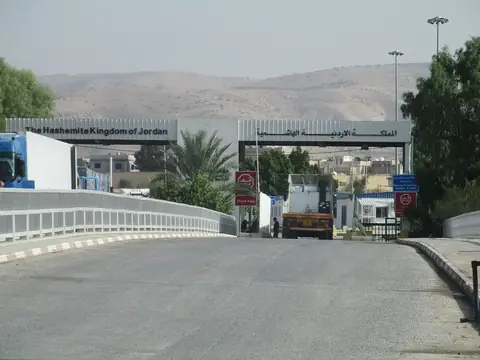
Entering Jordan
Who gets Jordan's JOD 40 visa on arrival, when the Jordan Pass waives it, the free Aqaba zone visa, which land borders issue visas, and what customs asks.
Read the guide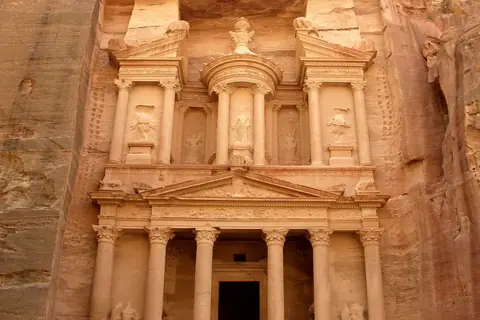
Transport in Jordan
Get around Jordan: the JETT bus to Petra, the Desert, King's and Dead Sea highways by hire car, airport buses and taxis, apps, and the places no bus reaches.
Read the guide
Solo female travel in Jordan
Travelling alone as a woman in Jordan: what four governments advise, landing at Queen Alia, Uber and taxis, buses by day, dress, Wadi Rum nights and who to call.
Read the guidePetra
Two nights in Wadi Musa for Petra: the Siq, the Treasury, the Royal Tombs, the Monastery and the High Place, with ticket prices, hours, Petra by Night and buses.
Read the guide
Jordan trip cost
A week from Amman to Petra, Wadi Rum and the Dead Sea by car, five hotel nights included: about JOD 440 a person budget, JOD 630 mid-range or JOD 1,070 comfort.
Read the guideSources and checks before you travel
(19)
- UK Foreign Office (GOV.UK): Jordan travel advice, warnings and insurance ↗ — opens in a new tab
- UK Foreign Office (GOV.UK): Jordan safety and security ↗ — opens in a new tab
- UK Foreign Office (GOV.UK): Jordan regional risks ↗ — opens in a new tab
- UK Foreign Office (GOV.UK): Jordan health ↗ — opens in a new tab
- UK Foreign Office (GOV.UK): Jordan getting help ↗ — opens in a new tab
- UK Foreign Office (GOV.UK): Jordan entry requirements ↗ — opens in a new tab
- British Embassy Amman (GOV.UK): Jordan medical facilities ↗ — opens in a new tab
- UK Foreign Office (GOV.UK): Jordan, information for victims of rape and sexual assault ↗ — opens in a new tab
- GOV.UK: Foreign travel insurance ↗ — opens in a new tab
- Germany's Federal Foreign Office (Auswärtiges Amt): Jordanien, Reise- und Sicherheitshinweise ↗ — opens in a new tab
- French foreign ministry (France Diplomatie): Jordanie, conseils aux voyageurs (full country advice) ↗ — opens in a new tab
- Government of Canada (travel.gc.ca): Jordan travel advice ↗ — opens in a new tab
- TravelHealthPro (NaTHNaC): Jordan ↗ — opens in a new tab
- US CDC Travelers' Health: Jordan ↗ — opens in a new tab
- Queen Alia International Airport: To and from the airport ↗ — opens in a new tab
- Visit Aqaba (ASEZA): Wadi Rum ↗ — opens in a new tab
- Jordan Tourism Board: the Dead Sea ↗ — opens in a new tab
- RSCN: Mujib Biosphere Reserve trails and rules 2025 ↗ — opens in a new tab
- Turkish Diyanet: religious days of 2027 (calculated) ↗ — opens in a new tab
Reference sources for the version dated 29 November 2026. Confirm opening times, access, transport and conditions for your travel dates.
Photo credits
(5)
A road into Wadi Rum, where mobile coverage is patchy beyond the village
Photograph: Jorge Láscar from Australia — opens in a new tab · CC BY 2.0 — opens in a new tab
Changes: Resized and converted to WebP; displayed with responsive crops. · Original photograph and licence details ↗ — opens in a new tab
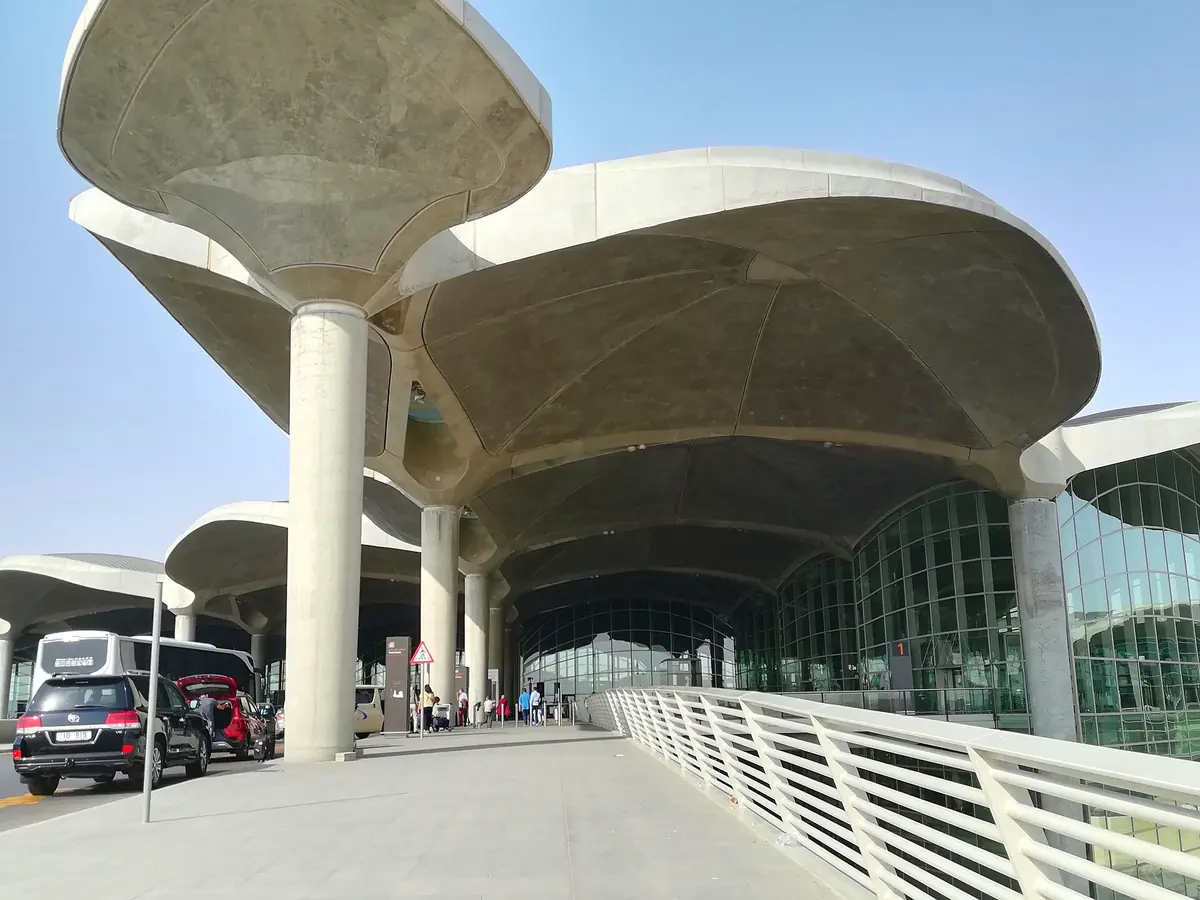
Queen Alia International Airport, south of Amman, where most visitors arrive
Photograph: Malkawi99 — opens in a new tab · CC BY-SA 4.0 — opens in a new tab
Changes: Resized and converted to WebP; displayed with responsive crops. · Original photograph and licence details ↗ — opens in a new tab
Jordan University Hospital in Amman, a public hospital with English-speaking staff
Photograph: Rami Tarawneh — opens in a new tab · CC BY-SA 4.0 — opens in a new tab
Changes: Resized and converted to WebP; displayed with responsive crops. · Original photograph and licence details ↗ — opens in a new tab
The Siq of Wadi Mujib: narrow canyons like this flood suddenly after rain
Photograph: hikinginjordan — opens in a new tab · CC BY-SA 3.0 — opens in a new tab
Changes: Resized and converted to WebP; displayed with responsive crops. · Original photograph and licence details ↗ — opens in a new tab
The road from Little Petra to the King's Highway: plan long drives like this to end in daylight
Photograph: Anastasia Pozdnyakova — opens in a new tab · CC BY-SA 4.0 — opens in a new tab
Changes: Resized and converted to WebP; displayed with responsive crops. · Original photograph and licence details ↗ — opens in a new tab